Getting the Heat Right: The Truth About Infrared Metal Finishing
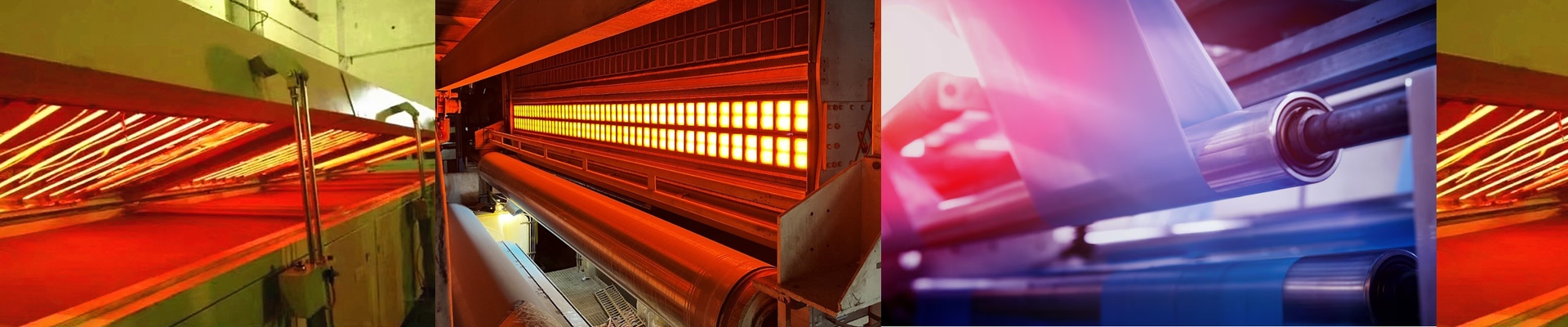
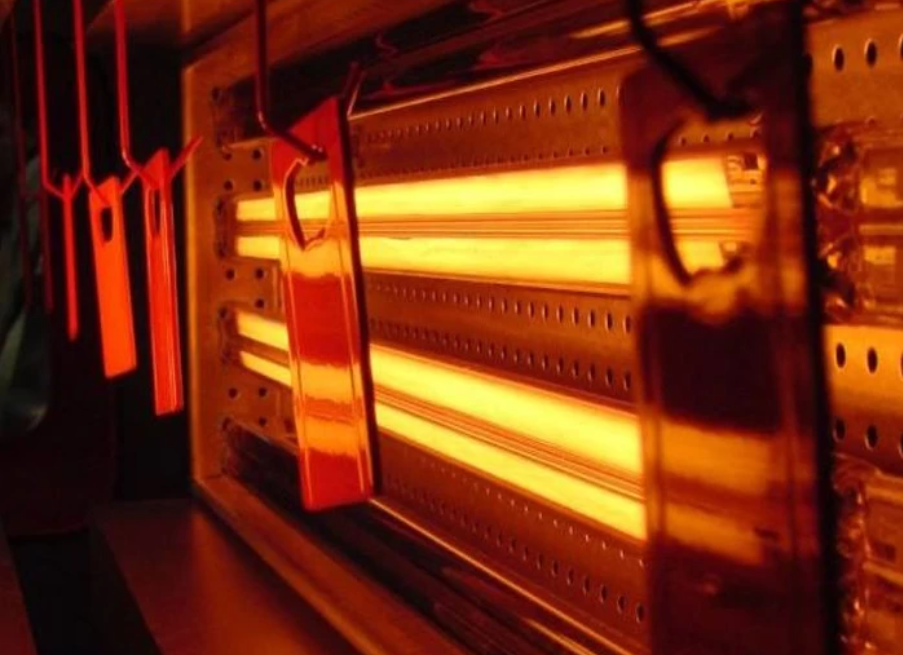
If you want to stop wasting energy and money in your finishing process, you have to get a handle on your heat. Most people just crank up the power and hope for the best, but that’s a recipe for waste. We do things differently by using the infrared (IR) spectrum. The trick is that IR lets us hit the specific molecules in the coating without having to bake the entire chassis. It’s surgical.
It’s Not About Raw Power
Here’s the thing: pushing more wattage isn’t the answer. It’s about the wavelength. Think of it like a dial. We shift the emission spectrum to control exactly how deep the heat sinks into the metal. If you need a rapid cure, shortwave IR is your best bet because it hits hard and fast. But if you’re working with thicker coatings, you’ll want medium-wave. If you don’t, you’ll end up scorching the surface while the bottom stays wet. You also have to watch the thermal mass. If you blast too many kilowatts into a thin piece of foil, it’ll warp right in front of you. Not a great look.
The Gritty Details of the Lab
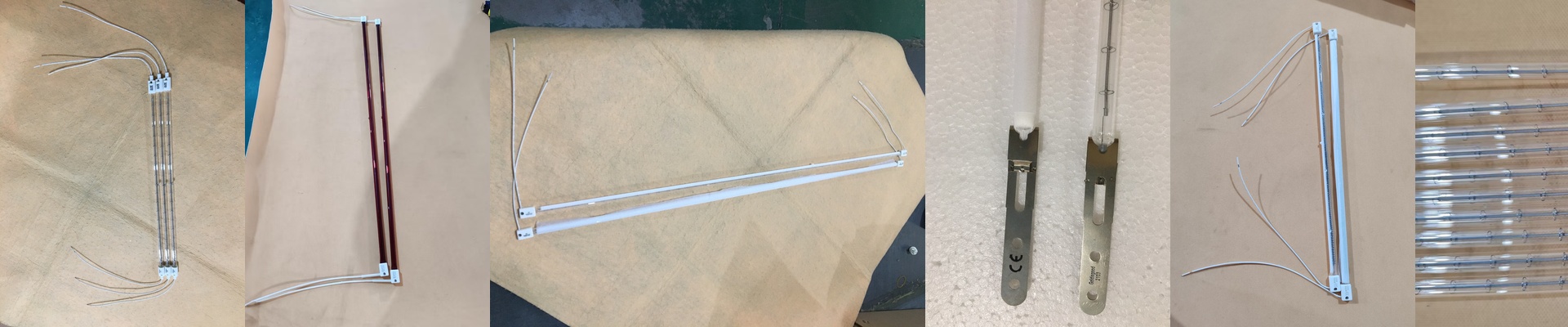
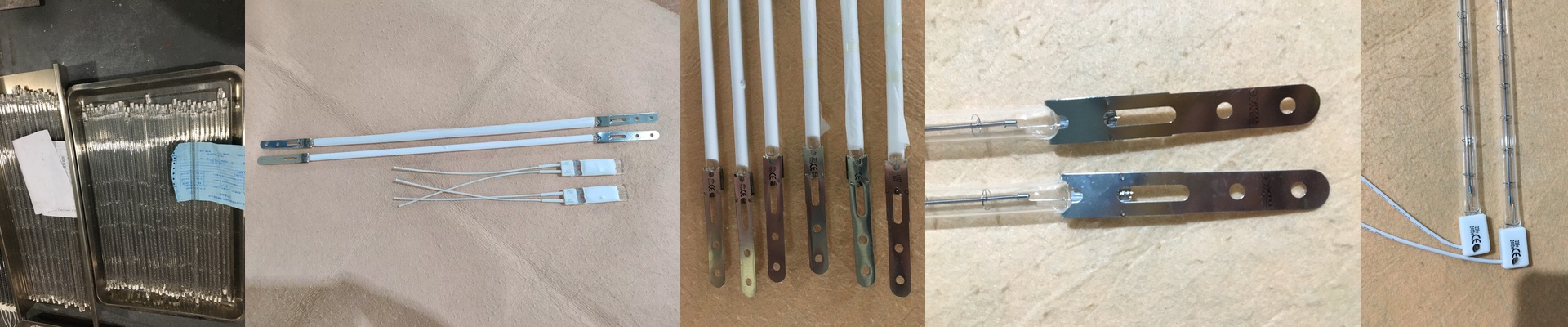
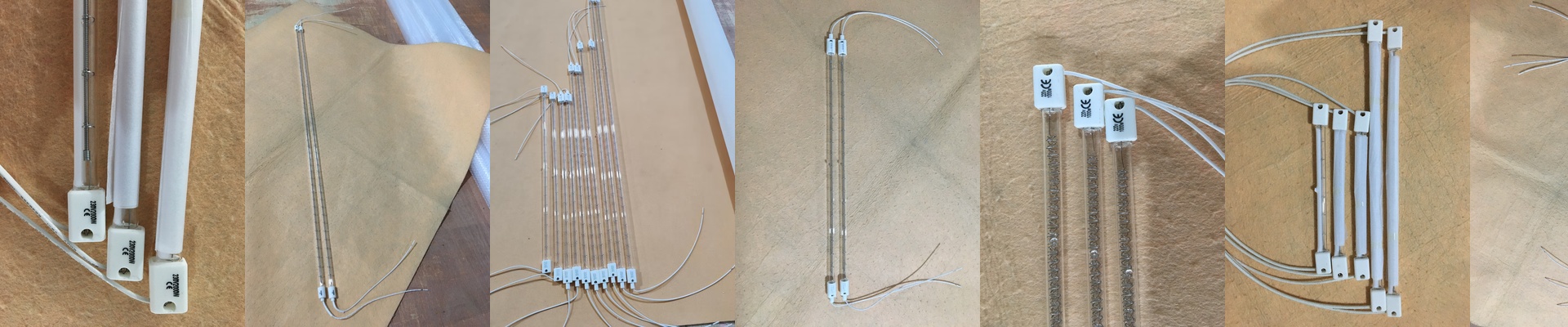
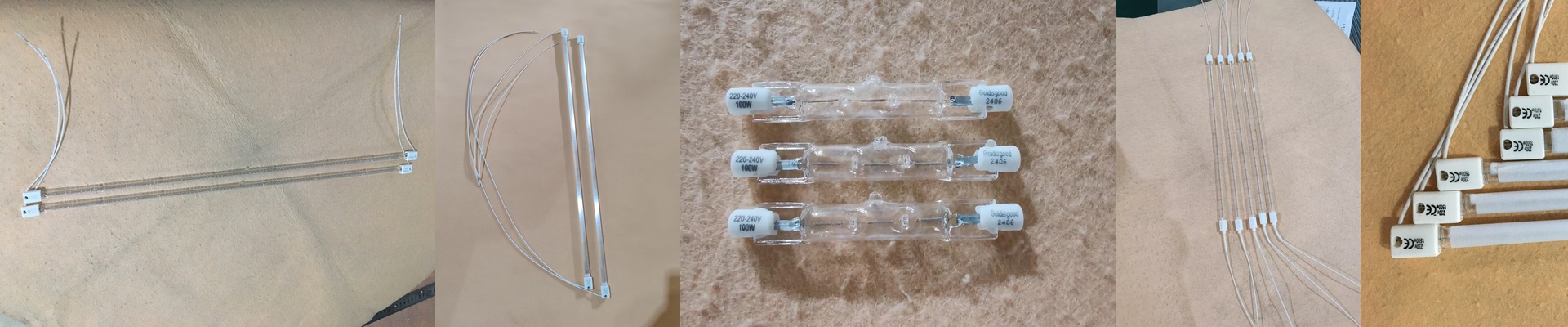
In our lab, we spend a lot of time obsessing over the gap between a basic heating element and a precision IR source. We use high-purity quartz and specific dopants to sharpen that emission peak. Why? Because it keeps the heat on the part and off your factory floor. Your team will thank you for not turning the shop into a sauna. We also put these lamps through hell. We cycle them relentlessly to see exactly where they break. Most of the time, it’s the seal. We’ve spent a lot of effort tightening those tolerances to stop gas leaks from killing the filament.
The Trade-offs
Now, this kind of precision isn’t free. Narrow-band IR lamps cost more to make. They’re also a bit finicky when it comes to voltage. Unlike those cheap resistive heaters that just chug along, these lamps need a steady diet of clean power. If your voltage drifts, your curing profile shifts. Suddenly, your finish quality tanks. We build our systems to handle the heavy lifting, but you still need a clean electrical footprint to get the same results we’re seeing in the lab.