Introduction
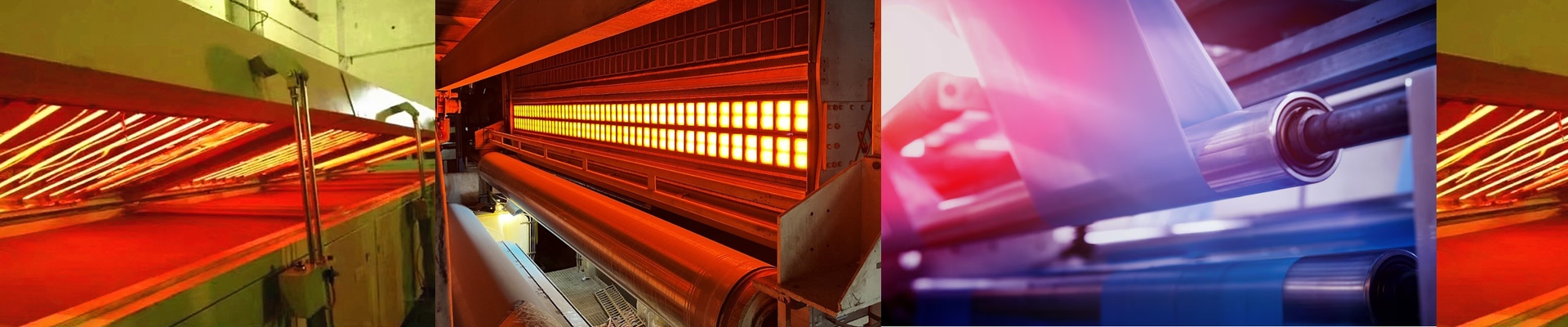
Picture this: you’ve got a heating job on your hands, but the space is tight. Like, really tight. And you need heat—fast, focused, and intense. That’s where halogen tube heaters shine. These aren’t your run-of-the-mill heaters. They’re compact powerhouses, built to deliver serious infrared heat right where you need it, without turning your whole machine bay into a sauna. Think of them as the precision tool of the heating world.
The Nitty-Gritty
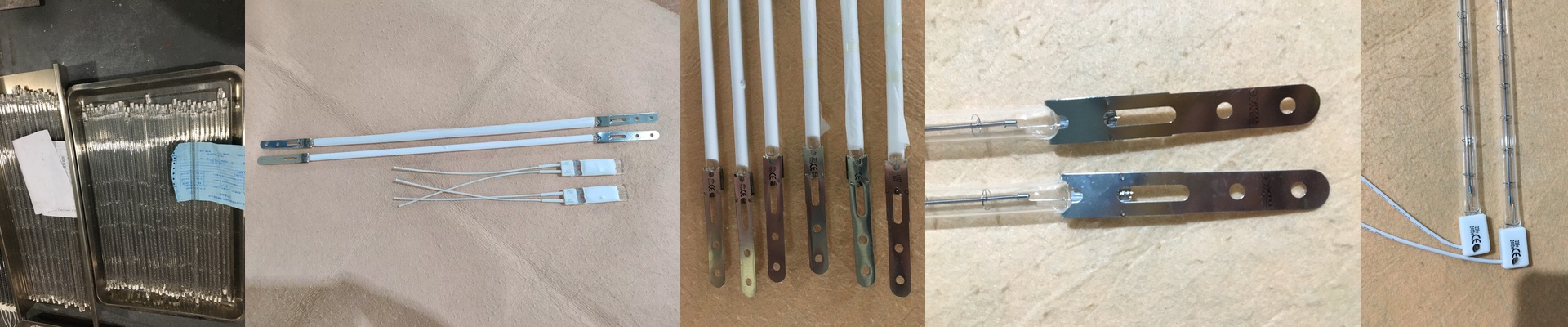
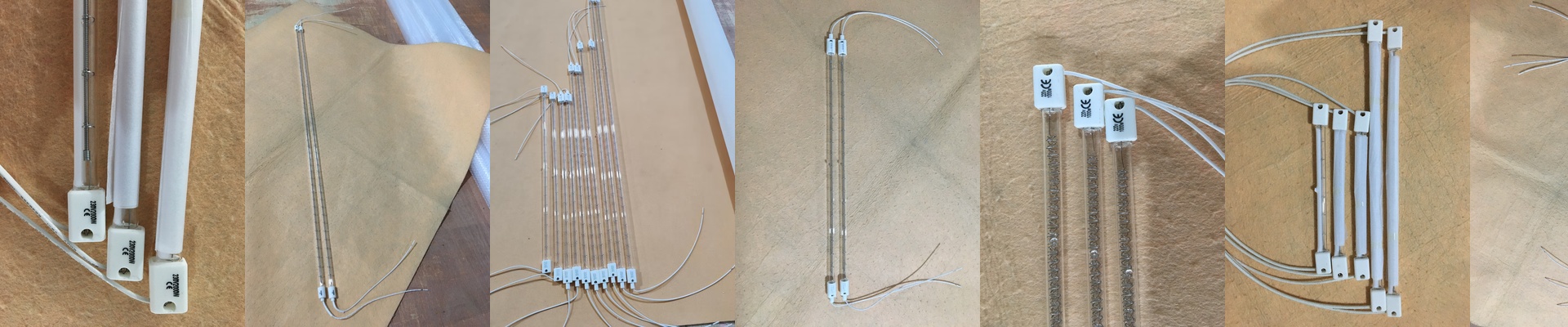
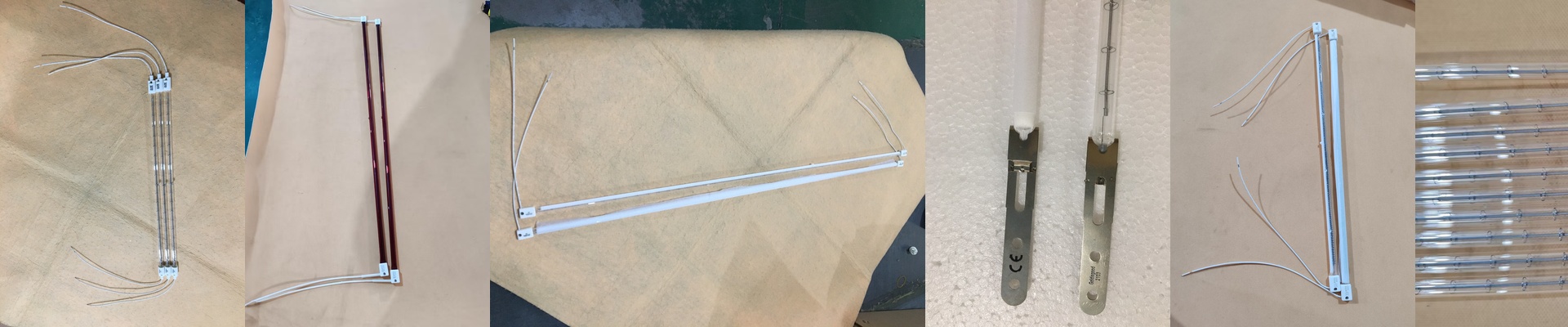
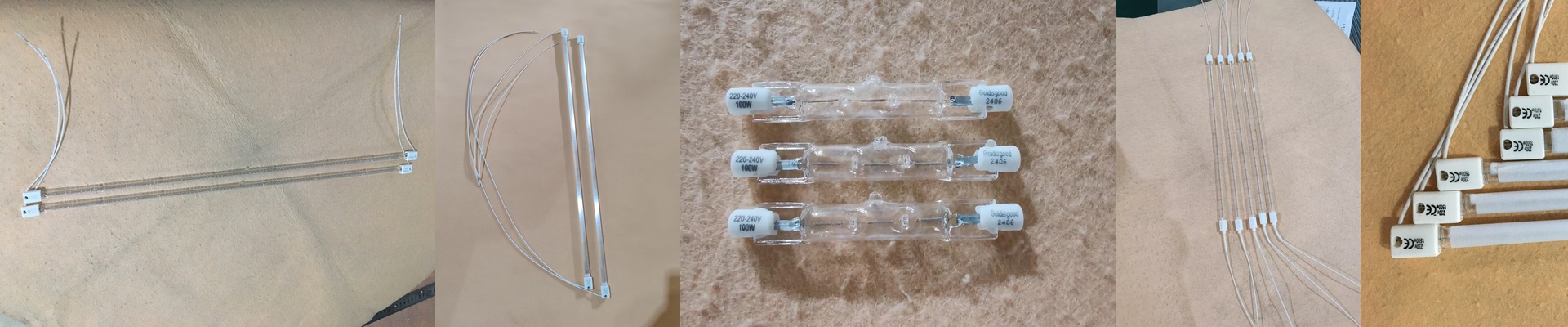
When we size these things up, we’re thinking about real-world constraints. You know, the stuff you actually deal with on the floor. Take a typical halogen tube heater. It cranks out 2500W on 400V, giving you a massive amount of heat from a tiny footprint. The tube itself? Around 300mm long. That keeps the heat focused and makes mounting a breeze, even in those awkward, cramped spots. And here’s a nice perk: the high voltage means lower current. So you get to use thinner wiring, and your contactors and terminals aren’t under as much strain. Less hassle, all around.
What Makes Them Tick
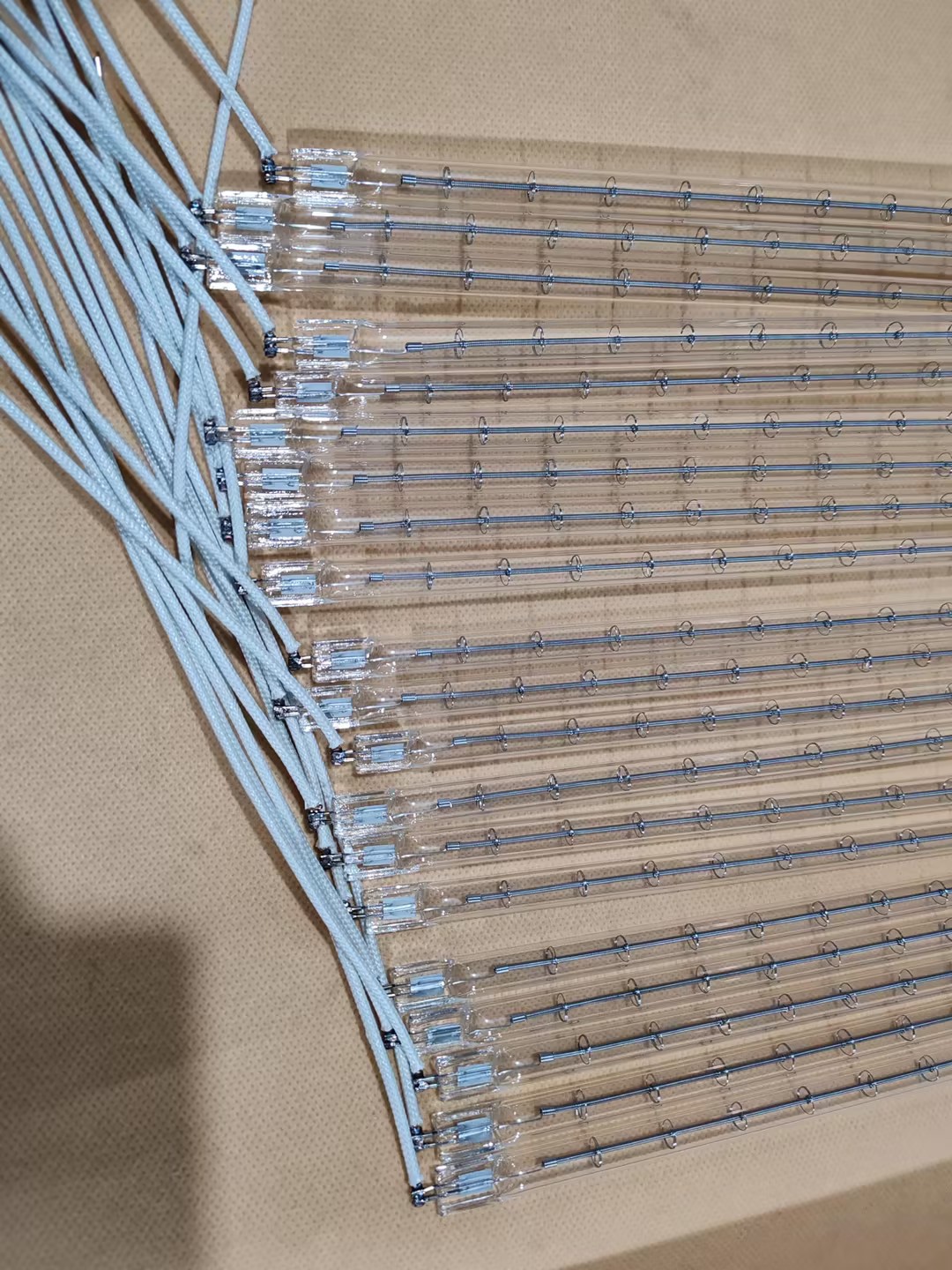
At the heart of it is a quartz tube with a halogen cycle. This design keeps the filament stable and stops that annoying blackening, which means a longer life for the heater. Quartz also handles thermal shock like a champ and runs hot, which is exactly what you need for that strong, shortwave infrared output. The tubes even have special coatings to fine-tune the kind of heat they put out and to keep contaminants at bay. And the connector? It’s an R7s, a simple two-pin end-cap. It snaps in fast and holds steady, even with vibration. No more worrying about intermittent burnouts. It just works.
Where They Work Best
Halogen tube heaters are a go-to for plastic processing, especially jobs like PET blowing. You need to soften those preforms quickly, and this heater delivers that concentrated heat right on target. The best part? The surrounding equipment stays cool. Your cycle times stay consistent. It’s a clean, efficient way to get the job done. Just keep in mind, with that kind of power density, you need to give the heater proper cooling and a clean mounting surface. Stick to the recommended airflow and clearance. If you don’t, the tube will run hotter than it should, and you’ll shorten its lifespan. A little attention up front goes a long way.