Introduction
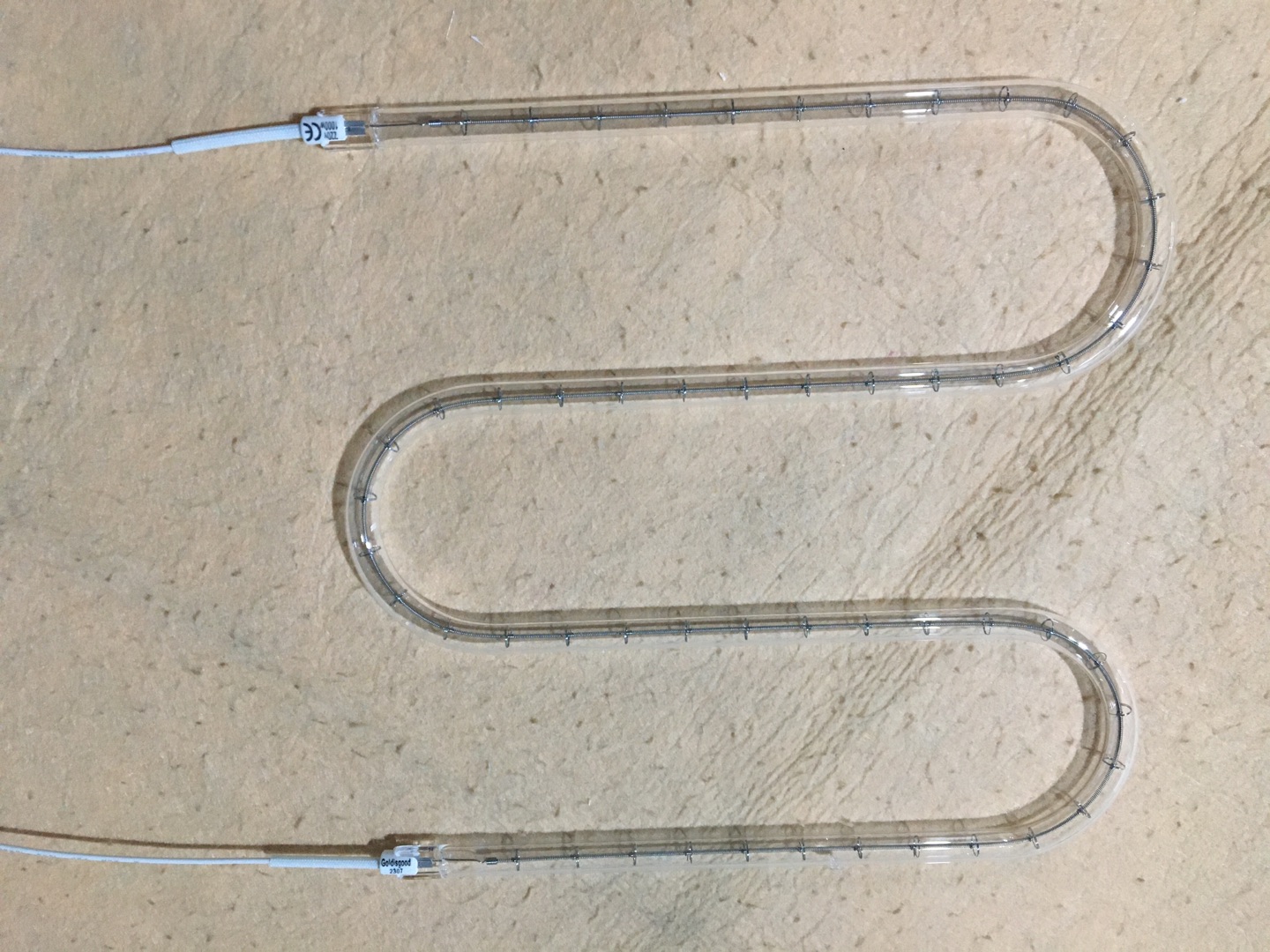
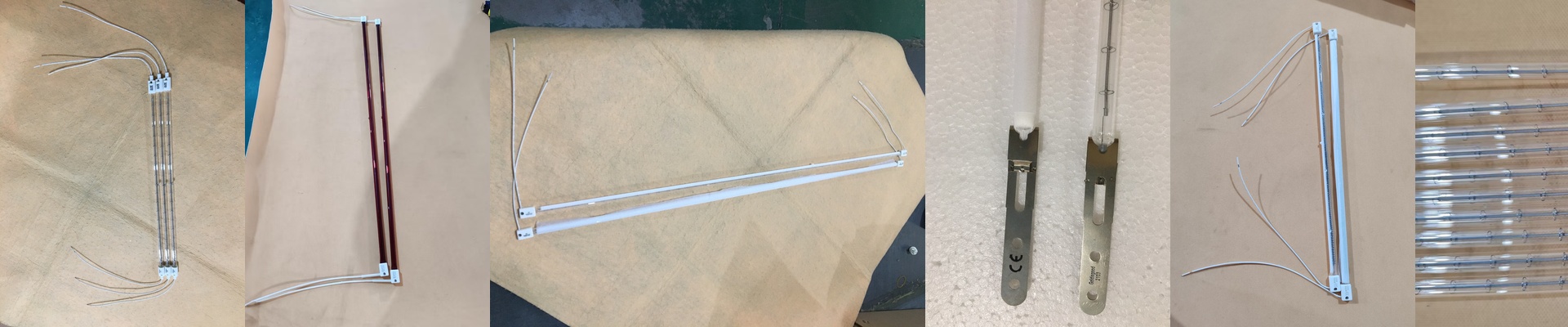
We build halogen infrared heating lamps for the kind of industrial work where you need heat, fast—and you need it to stay focused in a small space. These are quartz-tube lamps that run at serious wattage: 1200W, 1500W, 1600W, and 2000W. The payoff? You can hit your target temperature quickly without turning the whole machine cell into a sauna.
Power, voltage, and size: what actually matters
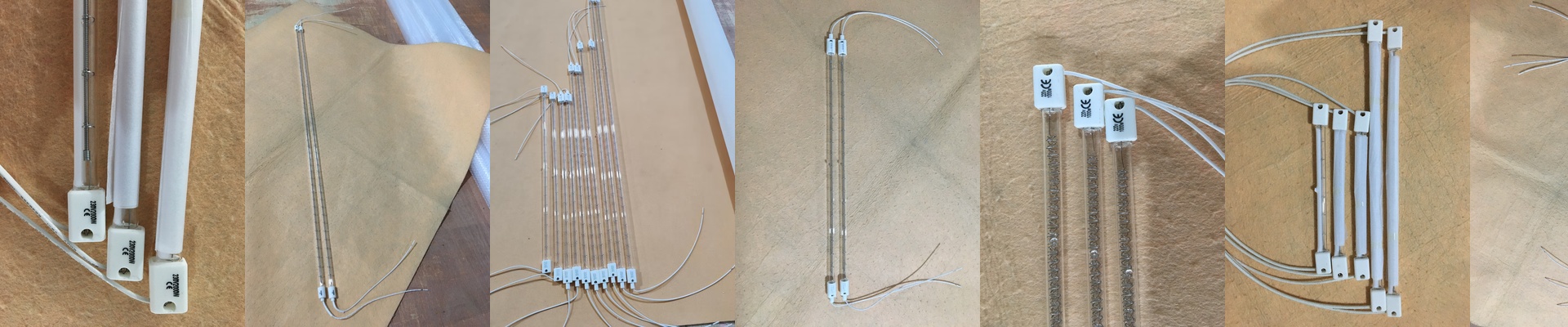
Here’s the thing: halogen IR lamps aren’t just “hot bulbs.” They’re engineered resistive heaters, designed to give you predictable heat output per inch of tube. The wattage you choose—anywhere from 1200W up to 2000W—directly shapes how much heat hits your target. That’s why we offer multiple power levels, so you can match the heat to the job. Voltage is about what your control gear can handle. If you’re wiring these lamps into a 230V/240V line, the current is higher. That means your wiring and contactors need to be sized for it. If you run them at 400V, you get lower current for the same wattage. That cuts down on voltage drop and lets you use thinner feed wiring over distance. But higher voltage comes with real-world demands: proper insulation, strict safety practices, and a stable supply that matches the lamp’s rated voltage. And the tube dimensions? They’re not random. A longer tube spreads the same wattage over more area, lowering the watt density. A shorter, compact tube concentrates the wattage, giving you a hotter, more focused spot. So you pick based on what you need: a broad, even soak… or a tight, intense hot spot.
What’s inside: chemistry, quartz, and connections that hold
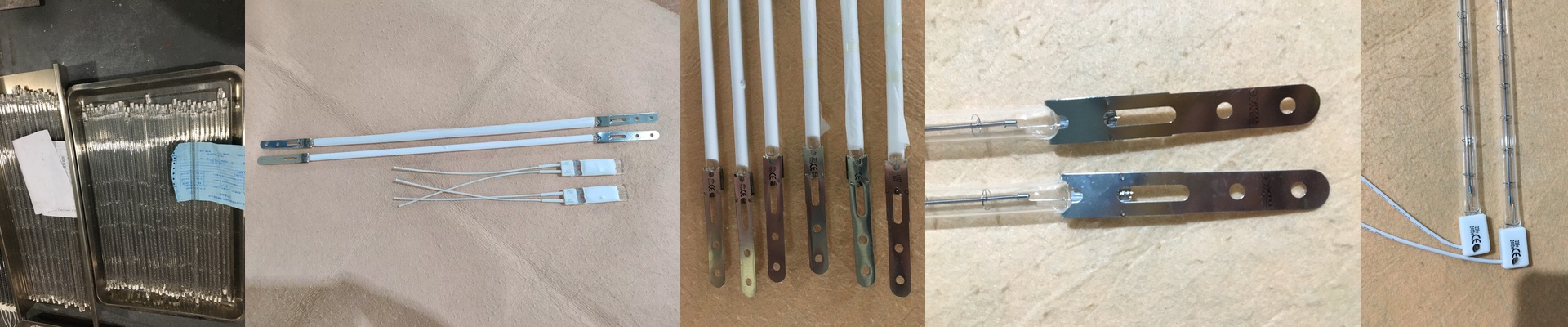
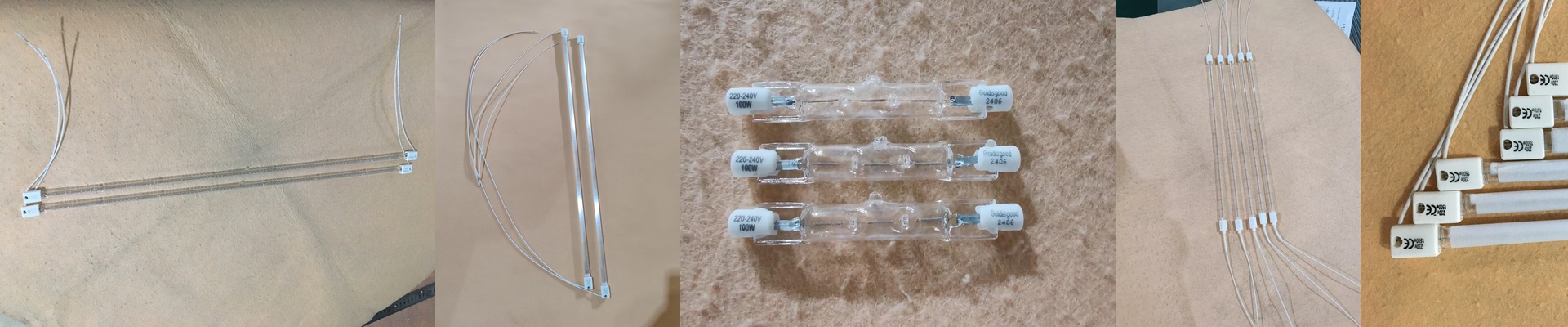
The halogen cycle does the quiet work of keeping the quartz envelope clear. It redeposits evaporated tungsten back onto the filament. The result? Stable output over the lamp’s life, and far less blackening than you get with standard incandescent IR. Quartz is the material for a reason. It transmits infrared efficiently and can handle rapid heating and cooling cycles without flinching. Coatings shape the output and make the lamp easier to work around. A reflective coating pushes more energy forward, so more of it reaches the part. An IR-transmissive coating can filter out visible glare—handy when the lamp is in an operator’s line of sight. Then there are the connections. We use rugged termination styles like R7s and SK15 because they hold tight mechanically and keep the electrical contact consistent. That matters when you have vibration and thermal expansion. You want the lamp to stay connected—no arcing, no dropped continuity.
Where it shines: fast heat, simple setup
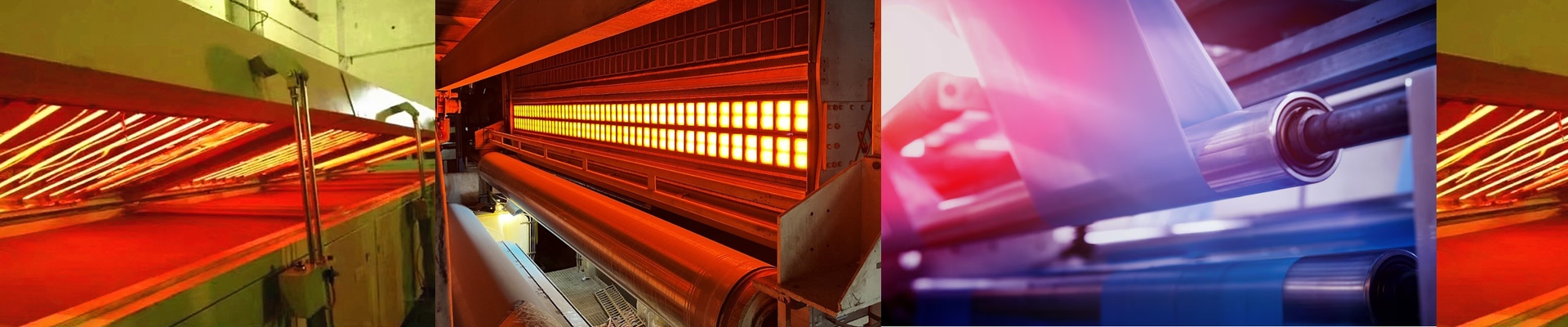
These lamps are at home wherever you need rapid heating without overcomplicating the electrical side—preheating molds, curing coatings, drying webs, softening plastics. Because the power density is high, the heater footprint can be small. That often makes guarding simpler and clears up wasted space. Installation is straightforward: match the voltage, confirm your clearances, and wire to the rated terminals. A practical reality check: high wattage means high surface temperature. Keep safety distances, make sure there’s airflow for cooling, and confirm that nearby components can handle the local heat. When you spec the lamp to match the process, it becomes exactly what you need—predictable, controllable heat you can count on.