Stop Overpaying for Your Curing Process
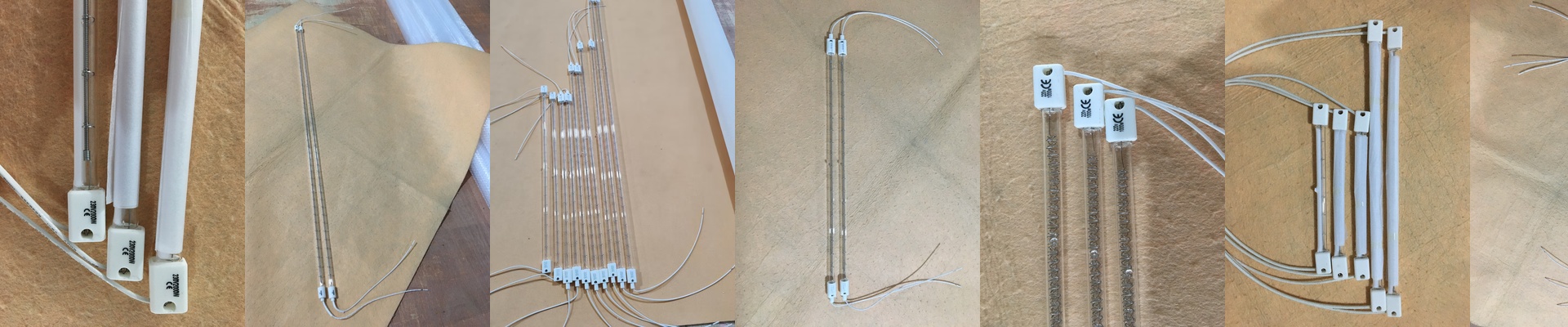
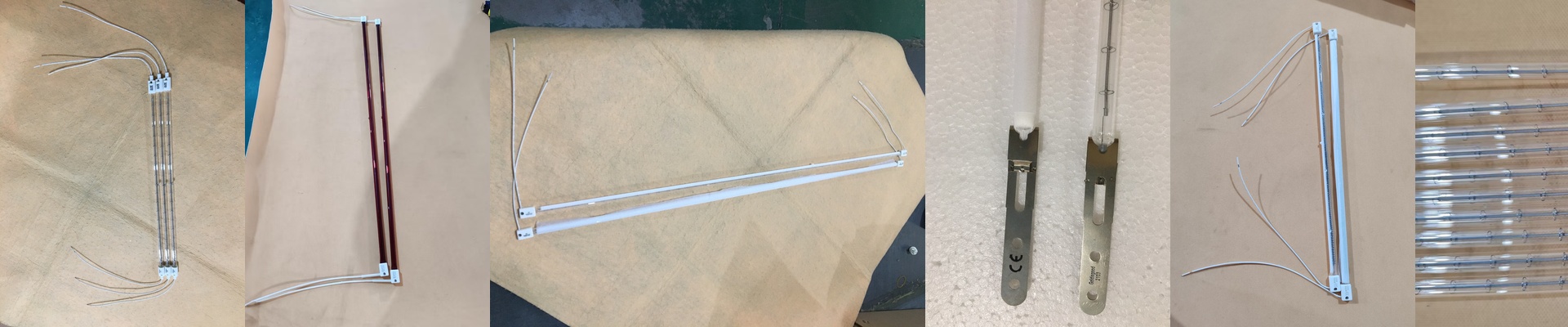
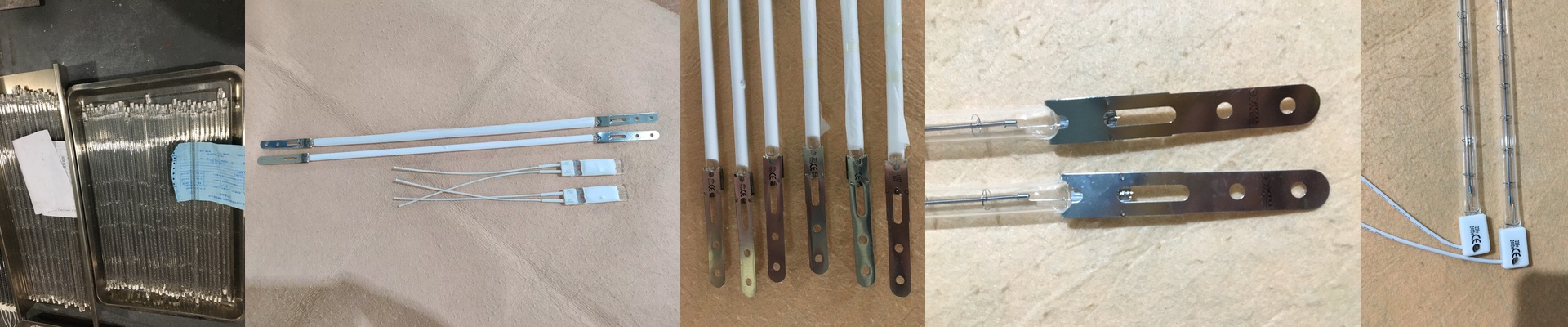
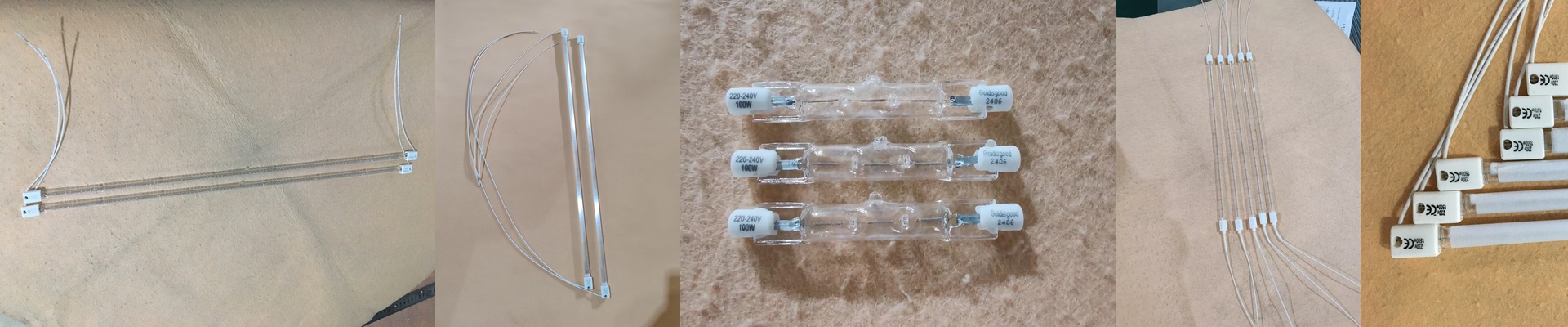
When you’re picking out a new metal curing line, it’s easy to get tunnel vision on the price tag of the hardware. I get it. But that initial cost is usually a distraction. The real money disappears once the machines actually start running. I’ve seen too many shops go with cheap, low-density heating elements only to realize later that their energy bills and slow cycle times are eating their profits alive. If you put high-efficiency infrared (IR) lamps in the plan from day one, you’re looking at cutting those long-term costs by about 30%.
Why “Big Ovens” are a Waste
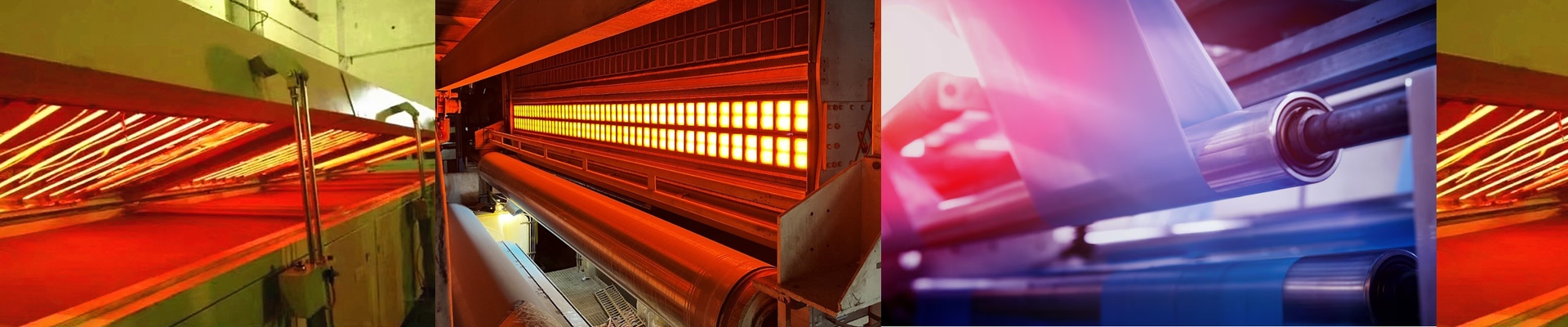
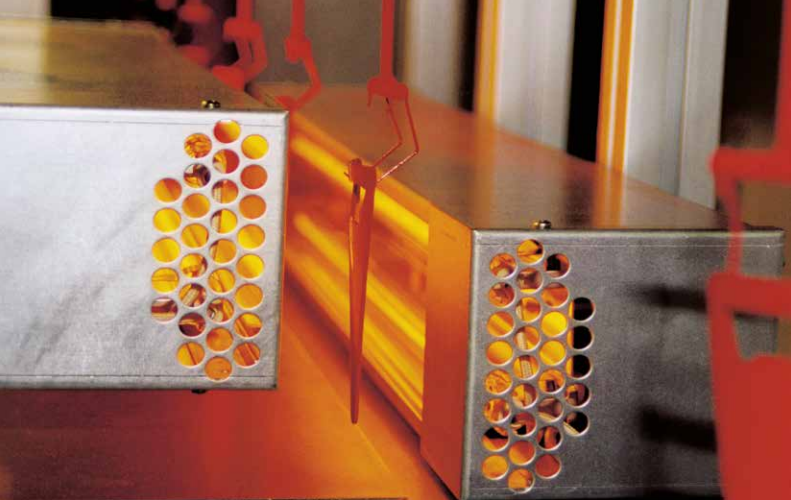
Think about a standard convection oven. It heats the air, and then that air heats the part. It’s like trying to warm up a whole room just to heat up a cup of coffee. You’re paying for a lot of wasted heat. IR lamps are different. They send energy straight into the coating. Because they’re so much more concentrated, you don’t need a massive curing tunnel. A smaller footprint means less heat leaking out into your shop and less power used per part. It’s just leaner.
The Magic of “Instant-On”
One of the best parts? These lamps hit their target temperature in seconds. Compare that to gas-fired ovens that take forever to warm up. With IR, you can actually shut the system down during lunch or breaks and bring it back to temp the second you’re ready to work again. No more paying to keep an oven idling for hours while nobody is using it.
The Catch (and How to Fix It)
Now, look—high-density IR isn’t a magic wand. Since these lamps pump out a massive amount of heat in a tiny space, you have to get your zoning right. If the lamps are too close or your conveyor is crawling, you’ll torch the coating. It happens. To avoid that, I always suggest using PID controllers. They handle the power modulation for you so you aren’t guessing. Yeah, it costs a bit more upfront, but it’s a lot cheaper than scrapping a batch of expensive finished parts because they got scorched. Just one more thing: double-check your power grid. These systems can pull a lot of juice during startup, and the last thing you want is to trip your breakers right when you’re hitting your stride.