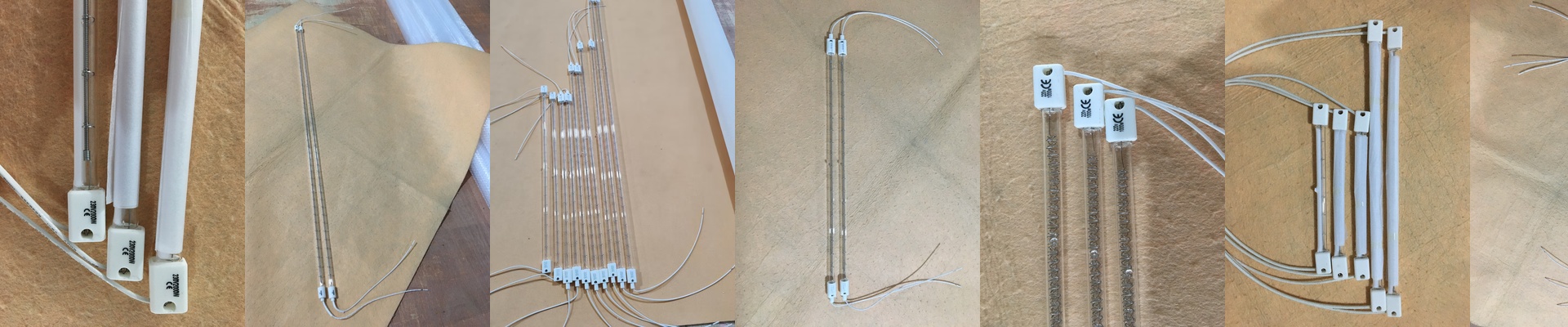
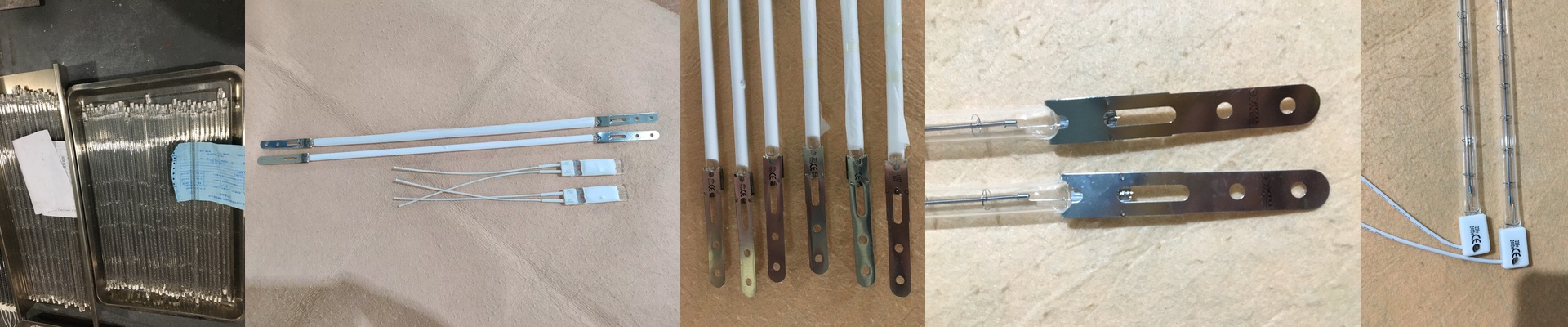
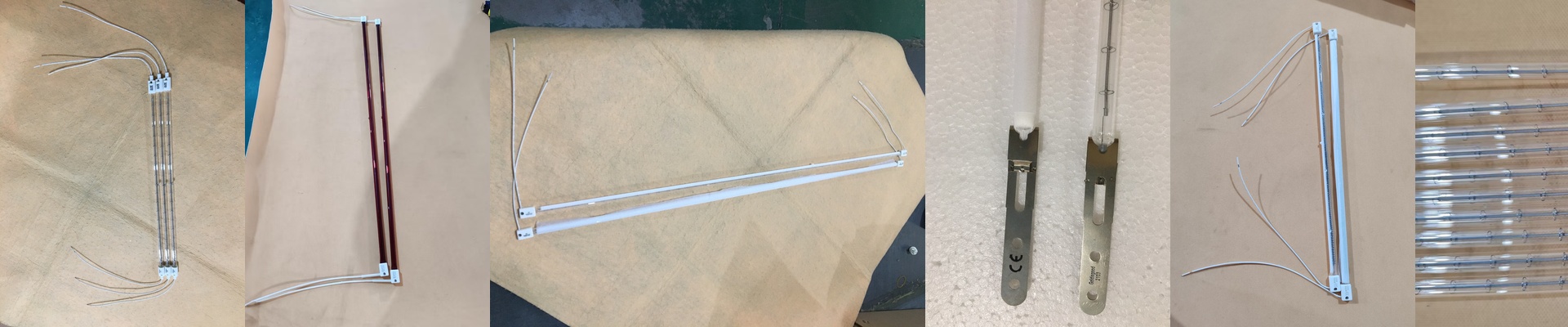
Let’s Talk About This 610mm, 2000W Infrared Halogen Heater
Okay, so picture this: you need serious, focused heat in a tight spot. You don’t want to warm up the whole room, just the one specific area that needs it. That’s exactly what this 610mm, 2000W infrared halogen heater is built for. It’s a workhorse, designed for industrial jobs where you need intense heat, fast.
The Power Behind the Size
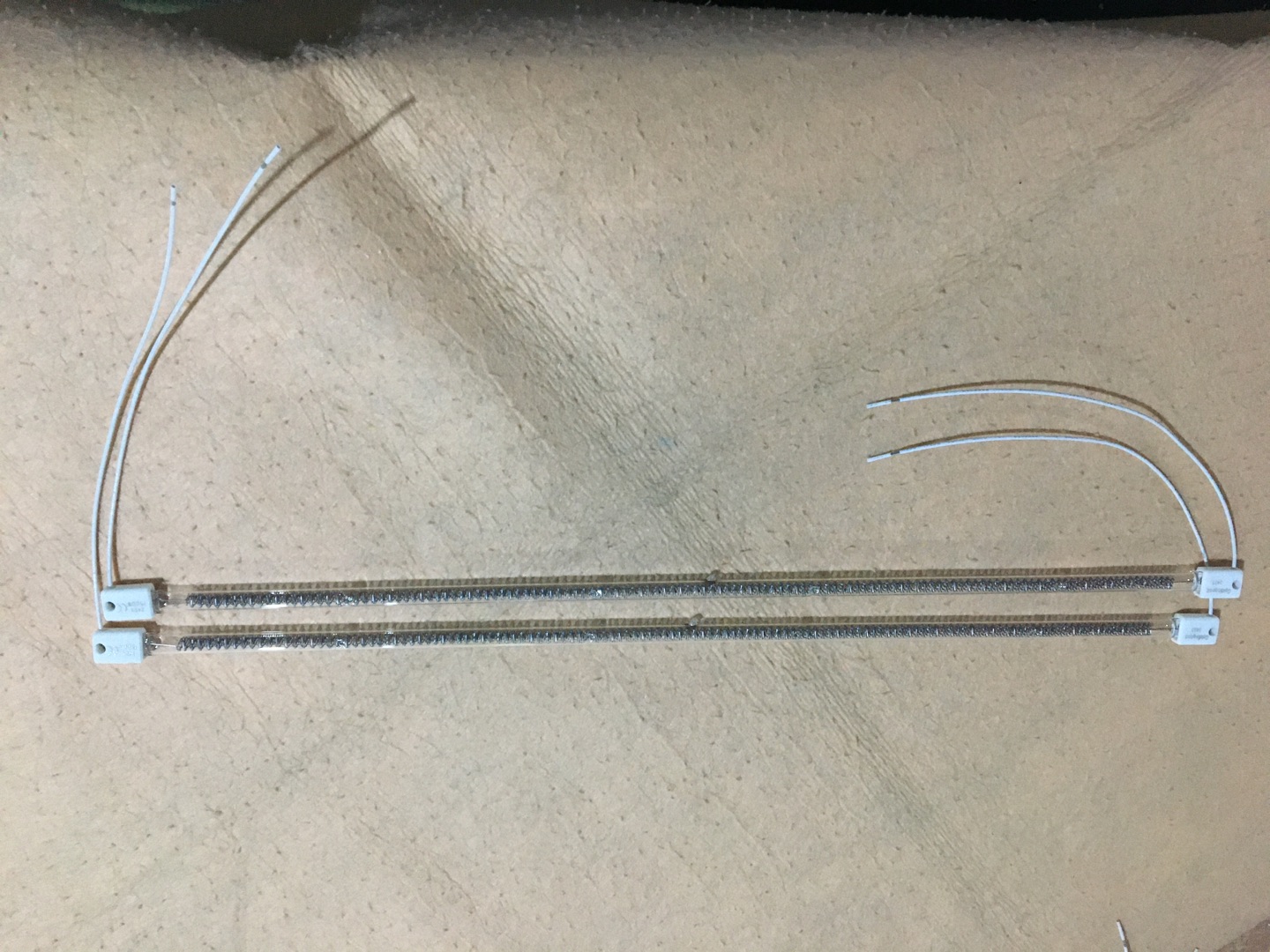
Here’s the thing about this heater—it’s all about packing a punch. That 2000W of power spread across the 610mm length gives you a serious amount of heat density. We’re talking about roughly 3.3 watts for every millimeter of tube. What does that feel like? It means you hit your target temperature almost instantly. The response is immediate. But, and this is important, that kind of power comes with a price. When it kicks on, it draws a big surge of electricity. So, you need to make sure whatever’s controlling it can handle that initial jolt. The length itself is a smart choice, too. It’s long enough to cover the exact width you need, but still compact enough to slip into those cramped spaces inside a machine.
What Makes It Tick
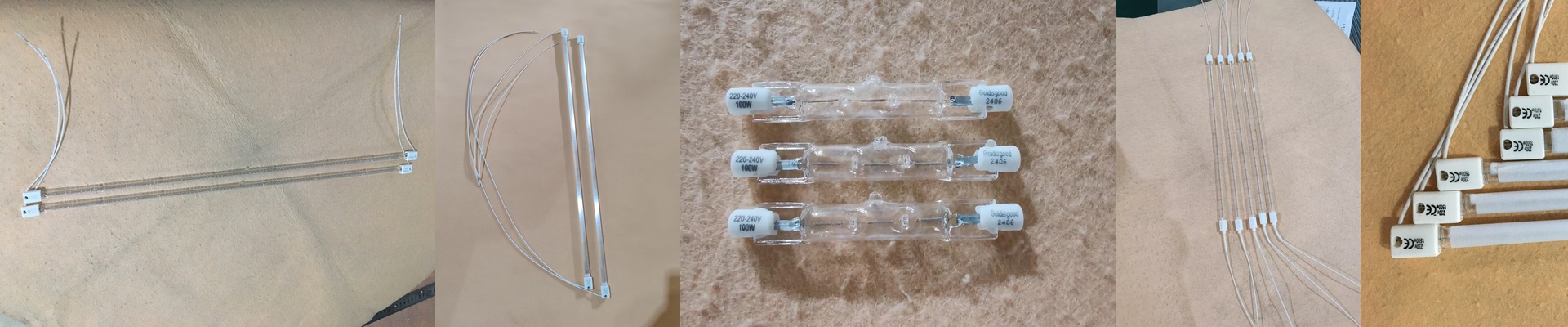
Inside, it’s using a halogen cycle within a quartz tube. This isn’t just a fancy detail—it’s what keeps the filament stable even when things get scorching hot. The payoff? A longer life than your standard infrared lamp. And don’t overlook that white coating on the outside. It’s not just for looks. It acts like a mirror, bouncing the infrared energy forward and onto your target. This means you’re not wasting heat, and you’re getting more of the energy where you actually need it. For the connection, it uses an R7s base. This is a standard, solid connector for these types of lamps. It makes swapping one out a breeze—just a simple, drop-in replacement. It locks in tight and handles the high current safely.
Where It Shines (And What to Keep in Mind)
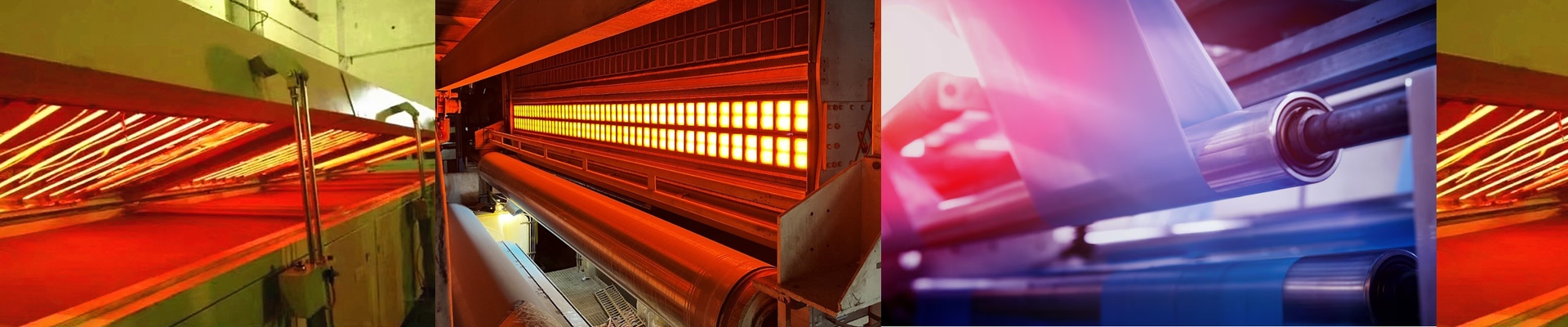
This heater is for the industrial jobs that demand precision. Think about plastic processing—like PET blowing or thermoforming—where you have to heat a specific area quickly and accurately. It’s also a star in drying and curing lines where the assembly line just keeps moving, and you need heat that can keep up. Now, with that much power packed into that small space, it’s going to run hot. No way around it. So, your machine’s cooling system has to be up to the task. It’s got to be able to handle the extra heat in the environment. And while that white coating helps direct the heat, the unit itself can still get hot enough that you’ll want to shield it. It’s built tough, but it still needs a little help from you. The bottom line? You’re getting a reliable, high-output heat source that’s simple to install and easy to maintain. It’s the kind of practical, no-nonsense solution you want when you need predictable, controllable heat in a specific zone.