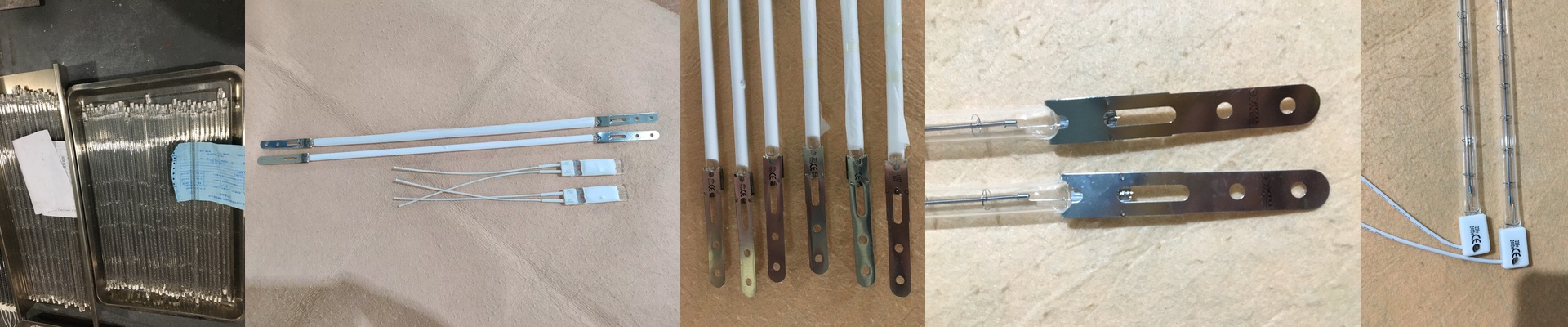
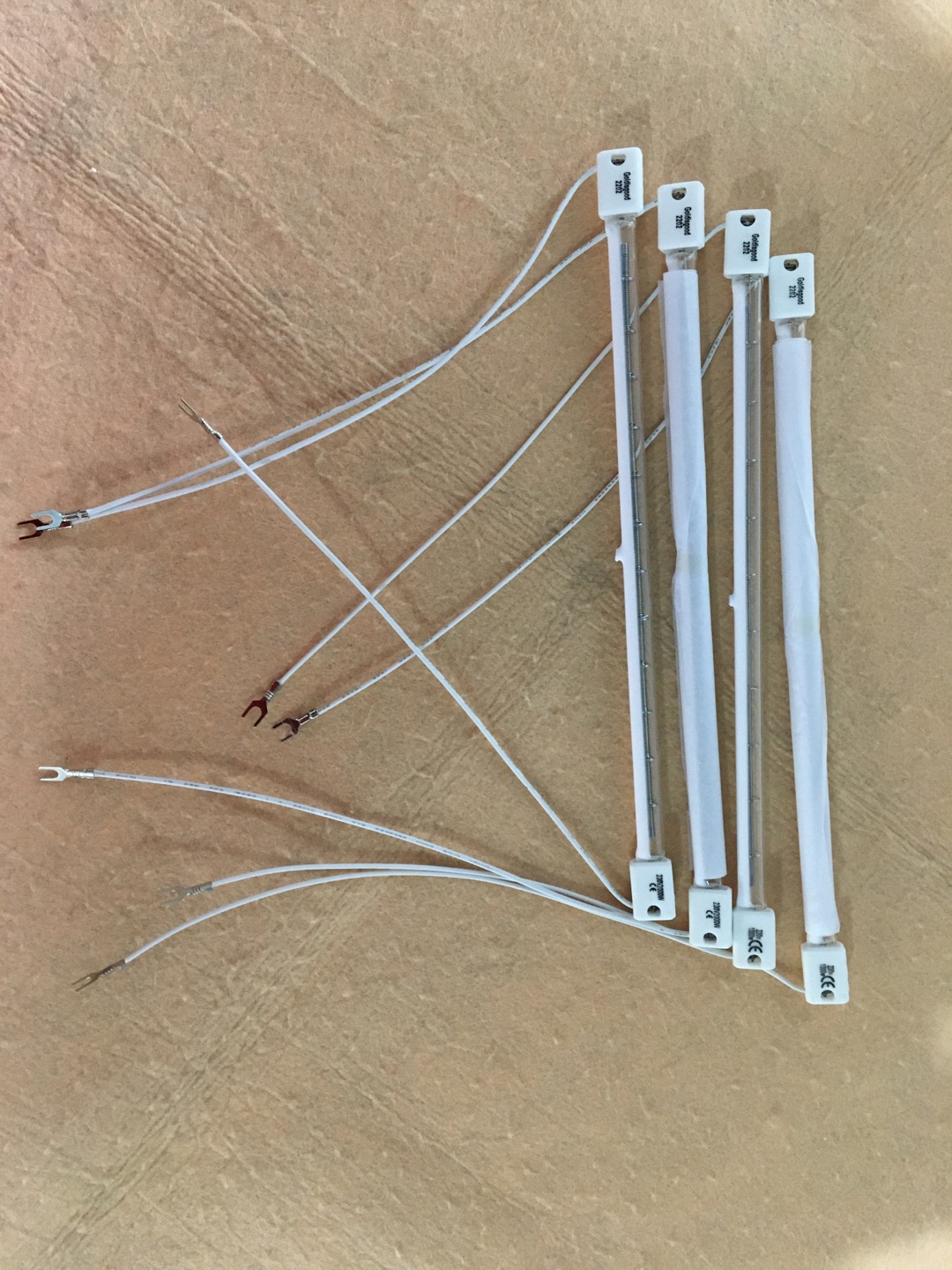
Engineering Focus: The 2000W 240V Halogen Infrared Heat Lamp
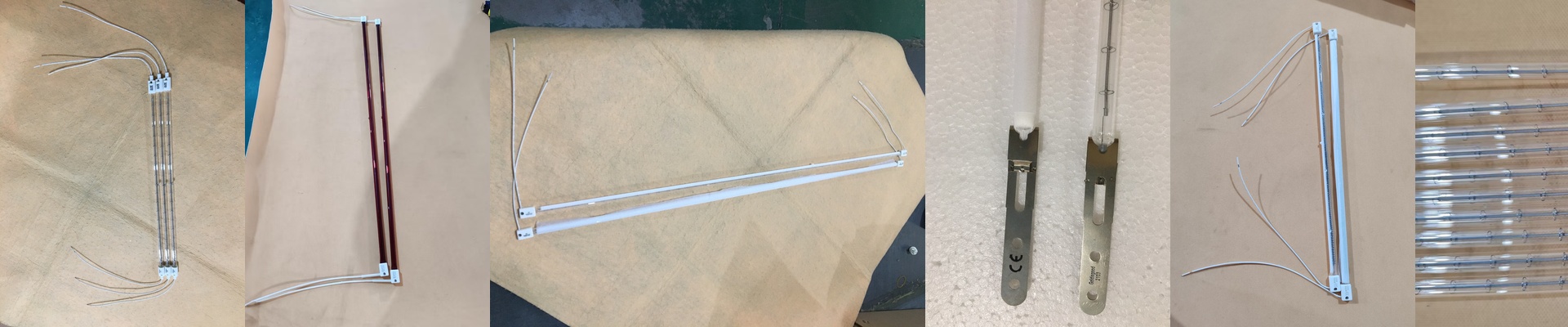
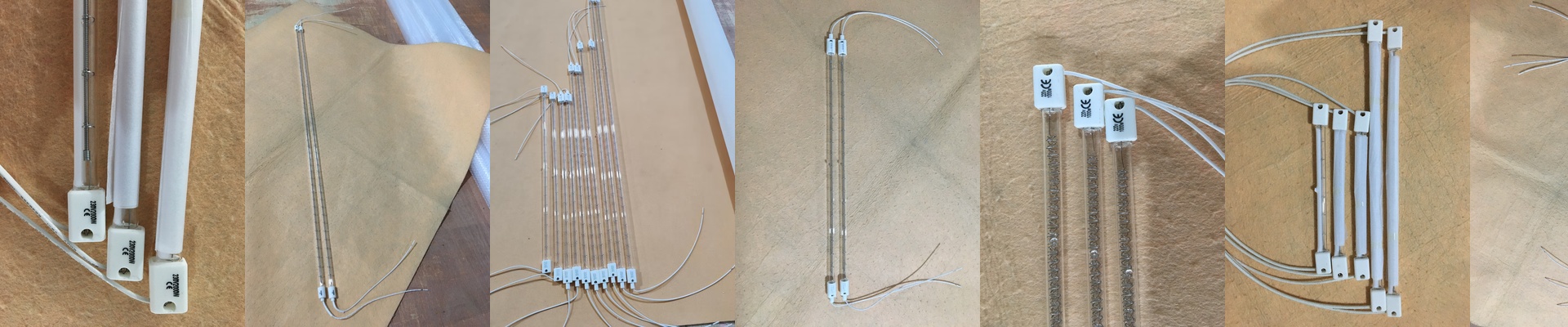
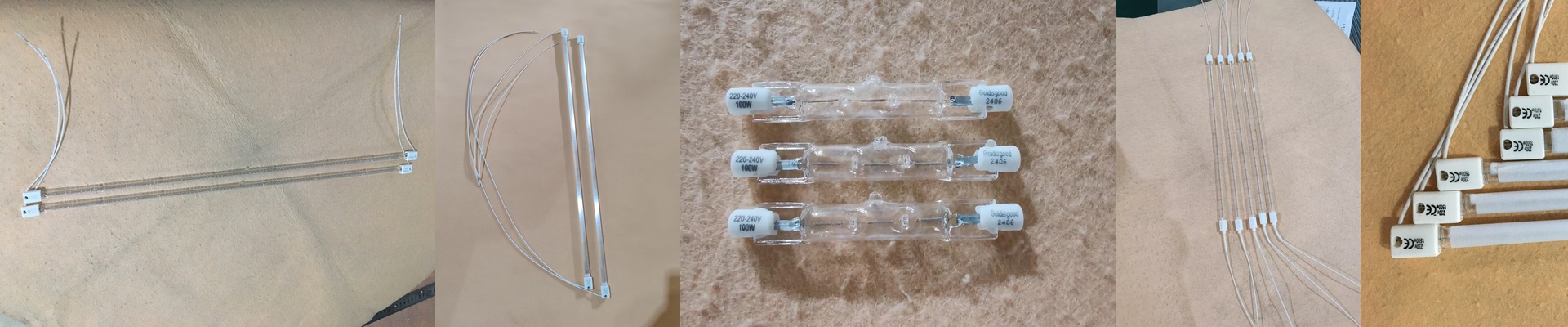
We built this 2000W, 240V halogen infrared lamp for the jobs that can’t wait. The kind of industrial heating where you need heat, and you need it now. This isn’t some run-of-the-mill bulb. It’s a purpose-built thermal tool, made for engineers who crave predictable output and rock-solid reliability, even when the machine is running non-stop.
Power and Electrical Specifications
At 2000W on 240V, this thing draws 8.3A, packing a serious punch in a small package. We went with the 240V rating for a reason: it lines up with standard industrial power, so you can ditch the extra transformers and keep your wiring short and sweet. That lower current is a real lifesaver. It means you can use thinner wires and you won’t get that annoying voltage drop over long runs. The result? Your lamp performs exactly the same at the end of the line as it does at the start.
Halogen Technology and Quartz Build
Here’s the magic behind its long life. The halogen cycle works like a tiny cleaning crew inside the bulb, constantly redepositing evaporated tungsten right back onto the filament. This lets the filament run hotter without the bulb quickly blackening out. So what does that mean for you? Consistent infrared output, day after day. And that quartz envelope? It’s tough. It handles the brutal thermal shock of being switched on and off again and again, and it stands up to the extreme internal temperatures needed for that steady, clean spectral output.
Application and Installation Reality
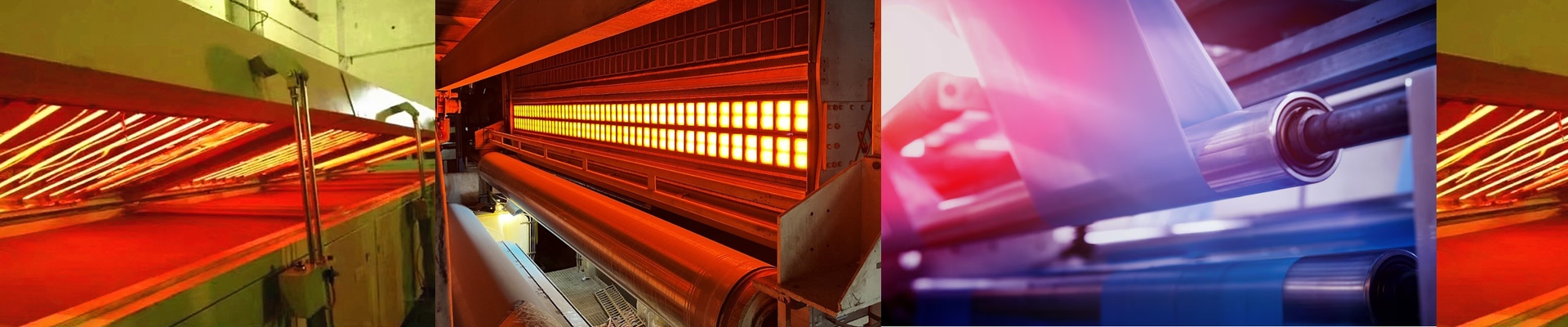
In the real world, this lamp shines at spot heating, curing, drying—anything that needs to get hot fast. It blasts concentrated infrared energy, so you can put the heat exactly where you need it. But let’s be real—2000W generates a lot of localized heat. That’s the trade-off. So, mounting and clearance are critical. Make sure you have the right reflectors and thermal isolation to protect nearby components and, most importantly, your team. When it’s time for a replacement, it’s a simple drop-in. But before you wire it up, always double-check that the connectors match and the fixture is rated for the job.