Getting Your E-Stops Right in Industrial Heating
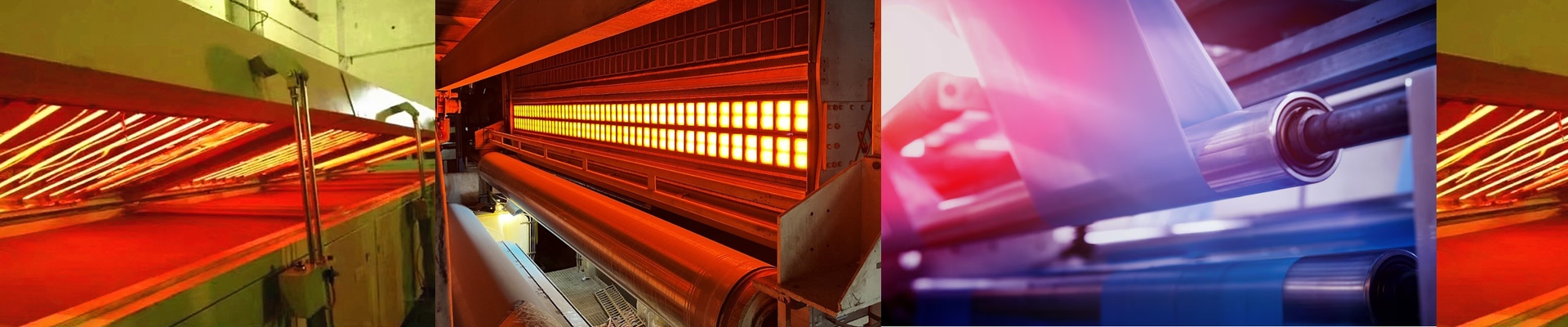
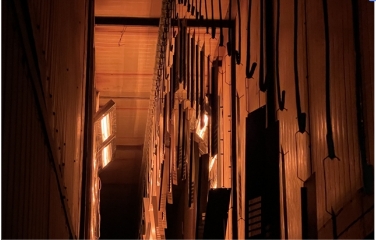
Let’s be honest: an emergency stop button on an industrial heater isn’t just a piece of plastic on a panel. It’s the only thing standing between a normal Tuesday and a total disaster. Especially in painting lines, where you’ve got volatile chemicals and scorching ovens in the same room, you can’t afford to “hope” the power cuts. If it doesn’t, you’re looking at fires or a whole batch of ruined parts.
How the cut-off actually works
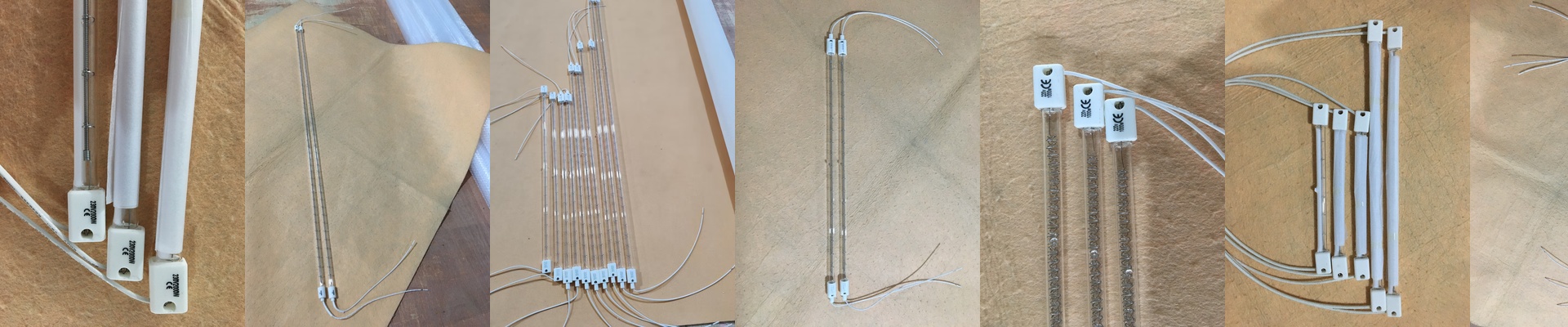
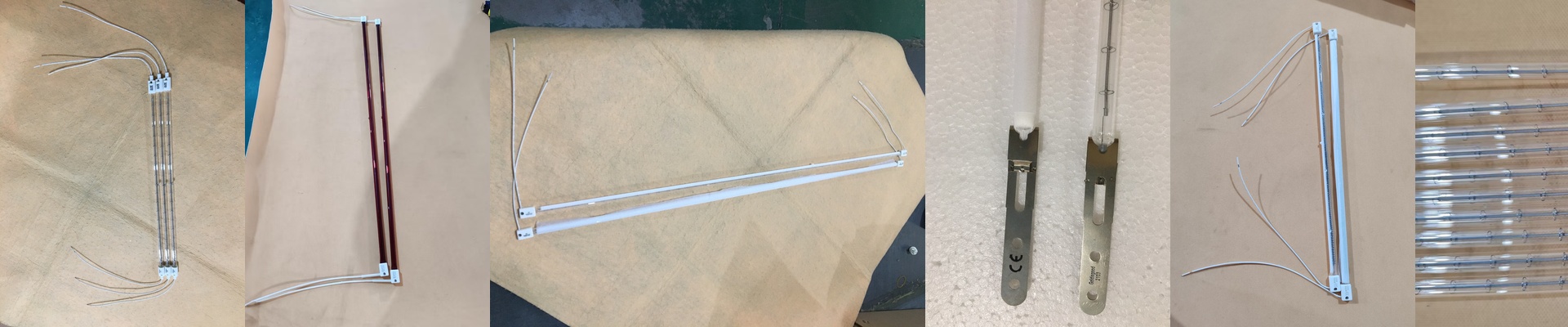
We build these systems to break the circuit right at the contactor. When you hit that button, the control circuit opens, the main contactor drops, and the heating elements are instantly cut off from the power. I’m a big believer in physical breaks. Some people try to handle stops through software, but here’s the thing: software crashes. A physical break in the line doesn’t. For those high-wattage ovens, we go with redundant relays. Why? Because sometimes a contact can weld itself shut during an electrical arc. If that happens and you only have one relay, you’ve got “runaway” heating. That’s how you end up melting your conveyor or scorching every single part on the line. A second relay is basically your insurance policy.
Stop wasting money on scrap
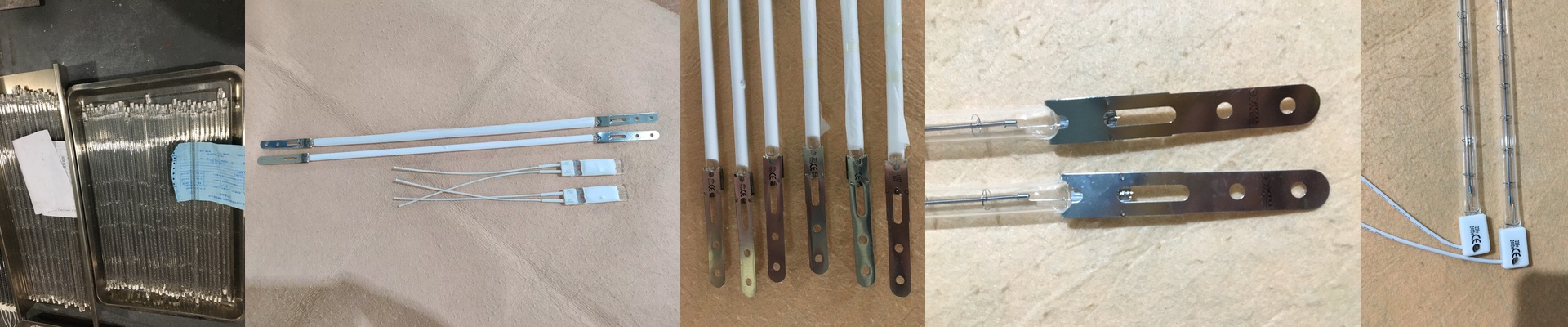
Cheap parts lead to scrap. It’s that simple. If your heater dies halfway through a cycle because you used a budget relay or a flimsy switch, you don’t just lose the part—you lose the entire line. We prefer to play the long game. We use heavy-duty industrial switches that are built to be hit thousands of times without flinching. Better gear means fewer midnight phone calls about unplanned shutdowns. And fewer shutdowns mean you aren’t wasting energy or tossing parts in the bin while you wait for the oven to heat back up.
The trade-off: Thermal Shock
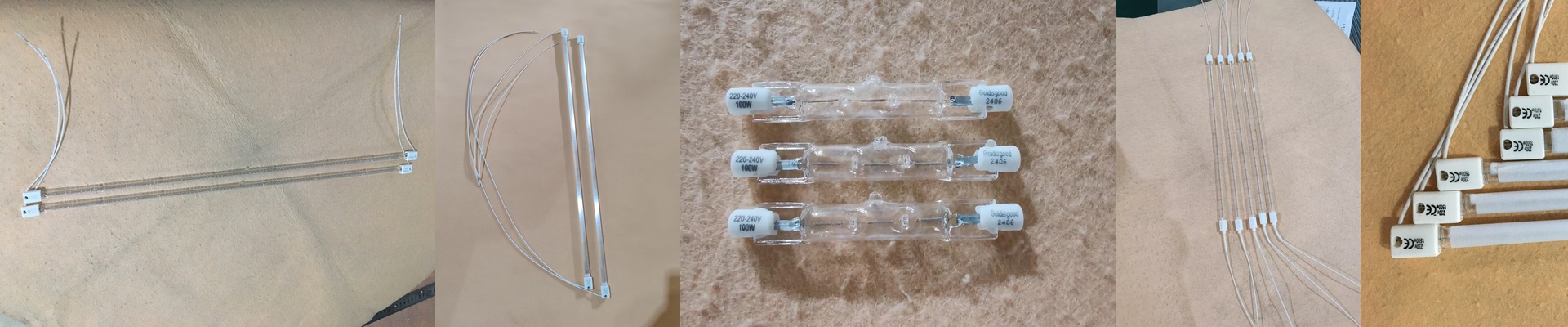
Now, there is a catch. Killing the power to a massive heating bank instantly creates a lot of thermal shock. That rapid temperature drop puts a ton of stress on the element housings. It’s a balancing act between needing an immediate stop and not destroying your equipment in the process. If you’re running ultra-high temps, we usually suggest a middle ground. For the scary, “get out now” emergencies, the E-stop does its job. But for non-critical faults, we can set up a controlled ramp-down. It keeps your heaters alive much longer.