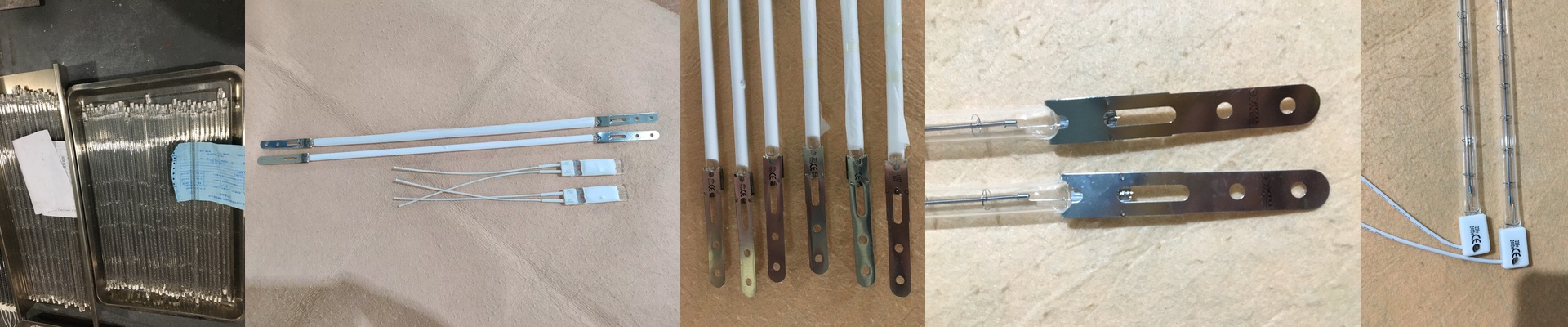
The 800mm 220V 1000W Quartz Infrared Halogen Lamp, Explained
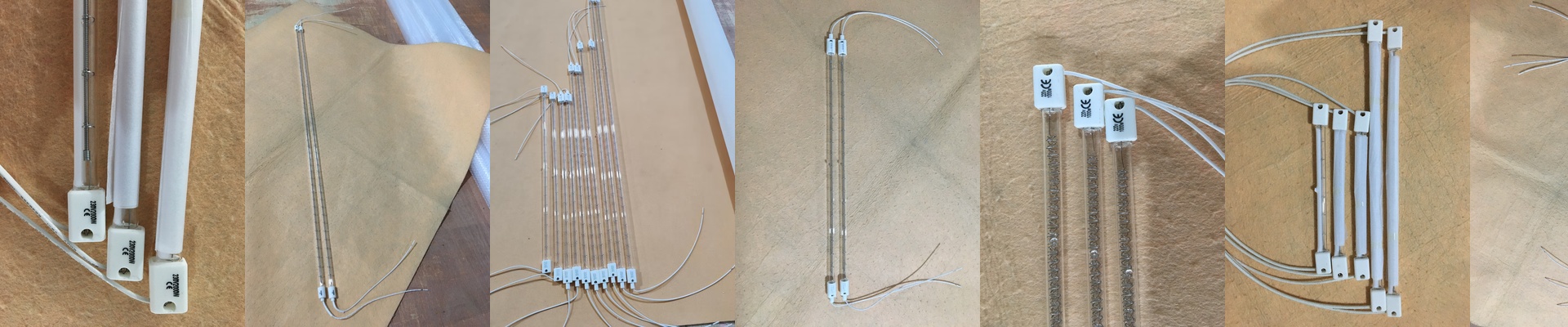
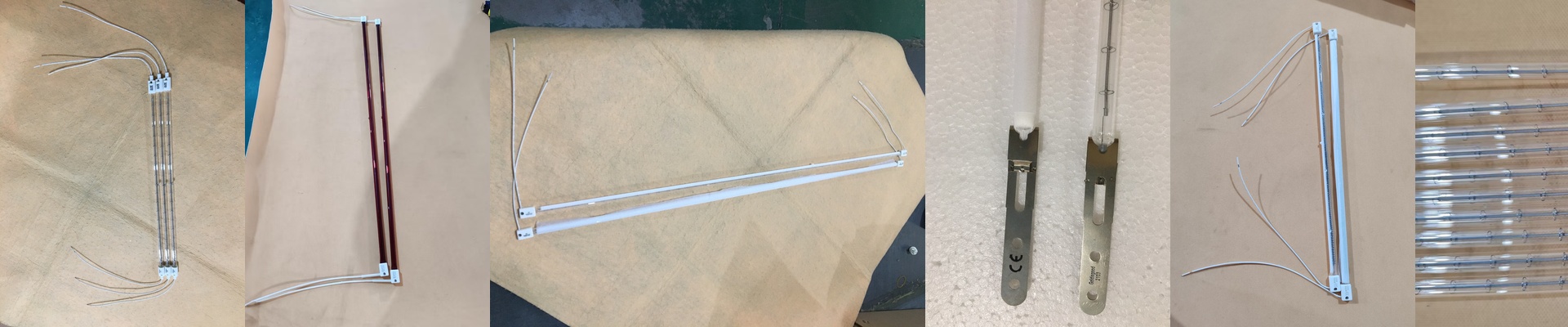
Here’s the thing about this lamp: it’s not trying to be anything fancy. It’s a straight-up workhorse, built to get one job done—deliver a ton of focused heat, right where you need it. If you’ve got industrial processes that demand serious power in a tight space, this is your go-to. The specs aren’t random, either. The 1000W, the 220V, the 800mm length… they all work together. It’s a sweet spot, balancing raw heat with the practical reality of your equipment.
What’s Under the Hood?
Let’s talk power. That 1000W rating means this thing gets hot. Fast. We’re talking rapid-response heating that keeps production lines moving. No waiting around for it to warm up. And the 220V rating? That’s a huge time-saver. It’s designed to plug right into standard industrial power in many places. So you skip the extra step of needing a transformer, which makes wiring a whole lot simpler. Then there’s the 800mm length. This isn’t just for show. It gives you a nice, long, even heating zone. Perfect for heating up long, linear parts, or getting a large area warmed up evenly. Just keep in mind—it’s a long lamp, so you’ll need to plan your setup with enough room for it.
The Build: Tough and Smart
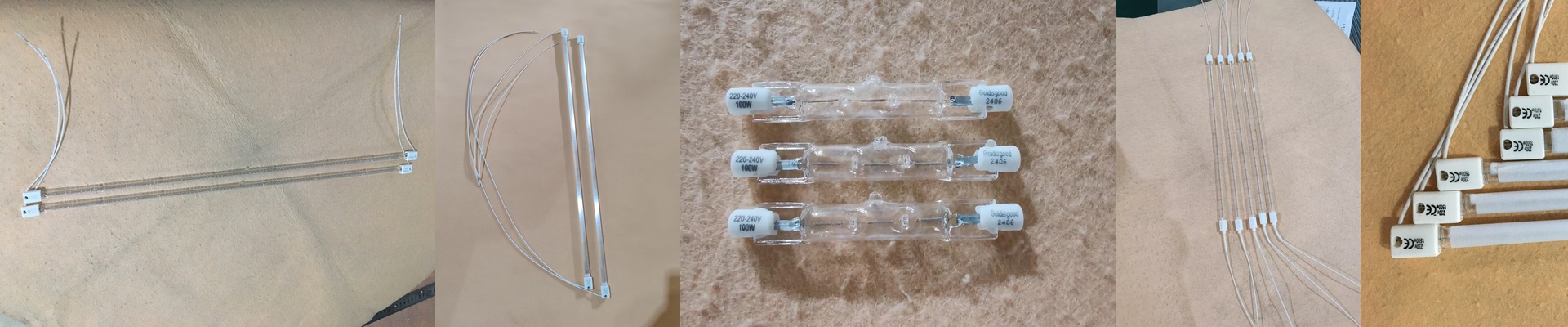
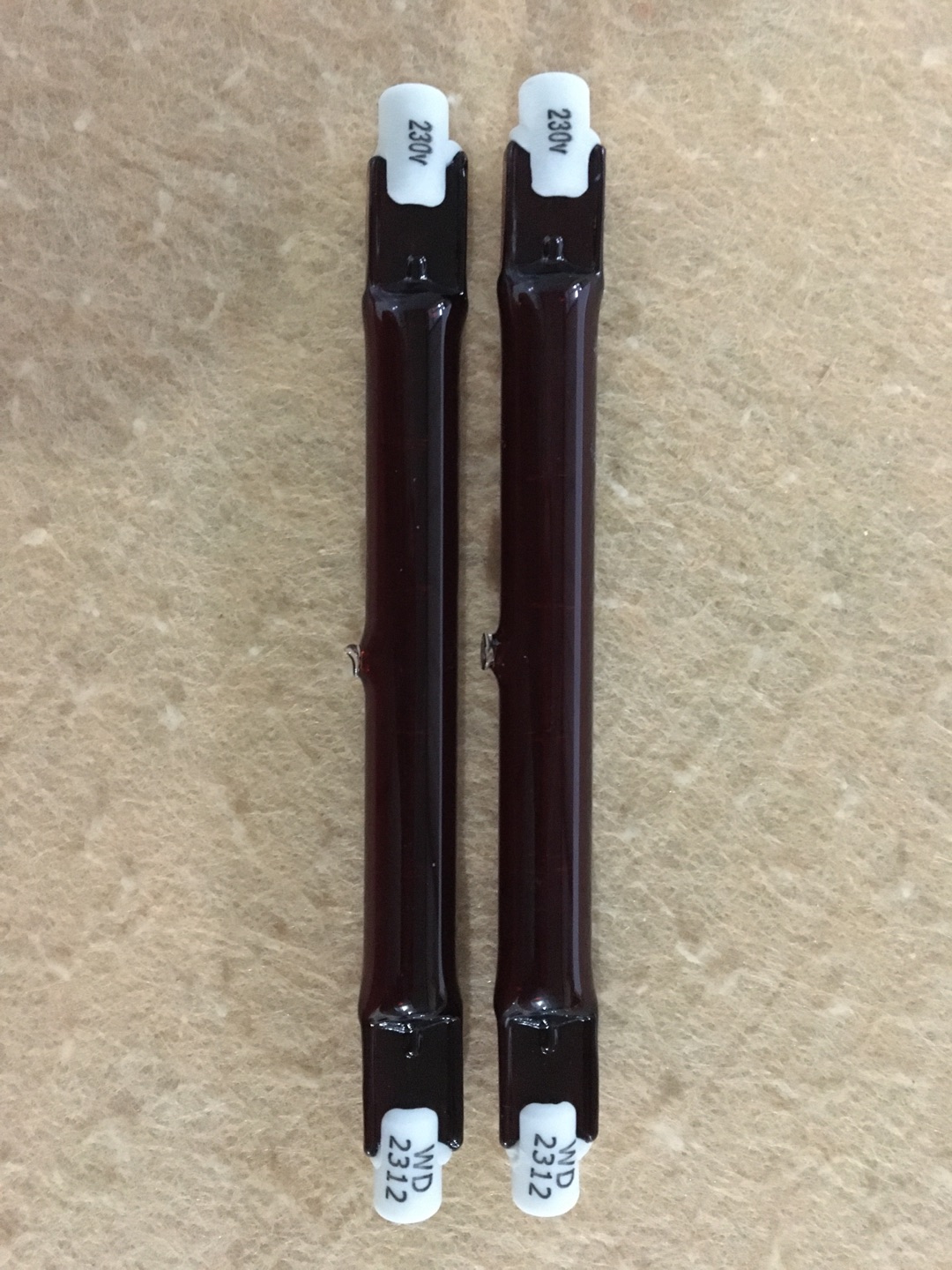
At the heart of it is the quartz envelope. Why quartz? Because it can handle the shock of going from cold to blistering hot without cracking. It’s tough as nails. Inside, the halogen cycle does its thing. It keeps the filament clean, so the lamp stays bright and consistent over its whole life. No dimming, no blackening. Because the filament can run so hot, you get shortwave infrared heat. That means the energy blasts right into the material you’re working on, instead of just warming the air around it. And when it’s time for a replacement, the standard R7s base means it’s a simple drop-in. No fuss.
Where It Shines (and What to Watch For)
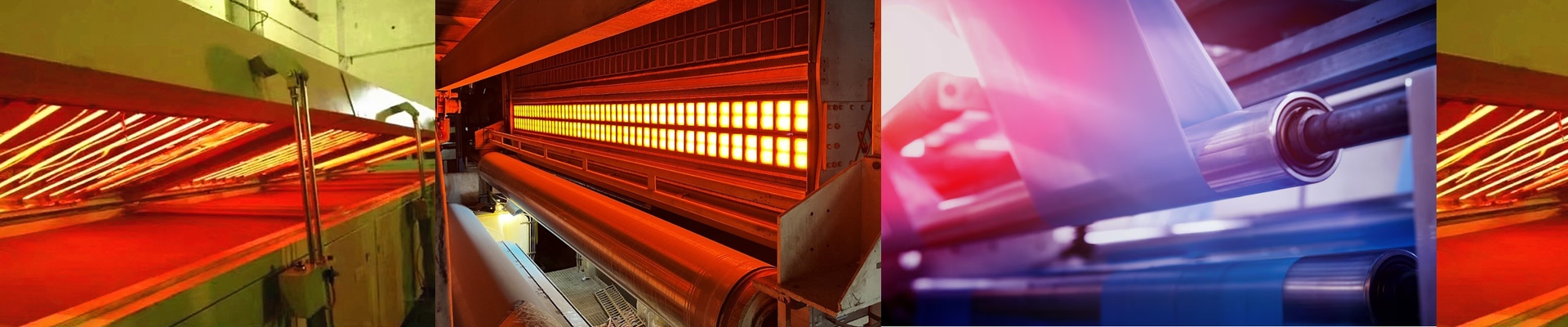
You’ll see this lamp all over plastic processing—things like PET blowing and thermoforming. It’s also a star for drying and curing. The focused infrared heat gets the job done quickly and efficiently. But let’s be real—with that kind of power comes serious heat. The surrounding components need to be able to handle it. You’ll need proper shielding and cooling to protect the rest of your equipment. It’s a beast, but it needs a well-thought-out system around it to really shine.