Precision Spectrum Engineering for Monforts Systems
When we build replacement lamps for Monforts equipment, we don’t just chase wattage. We start with the physics of heat transfer. Our team focuses on a very specific spectral output, because industrial drying and curing need steady, targeted radiant energy—not just a blast of heat. The point is simple: give you the exact wavelength profile those Monforts machines expect, so you get repeatable results without constantly re-calibrating the whole line.
Technical Deep-Dive: Power, Voltage, and Dimensions
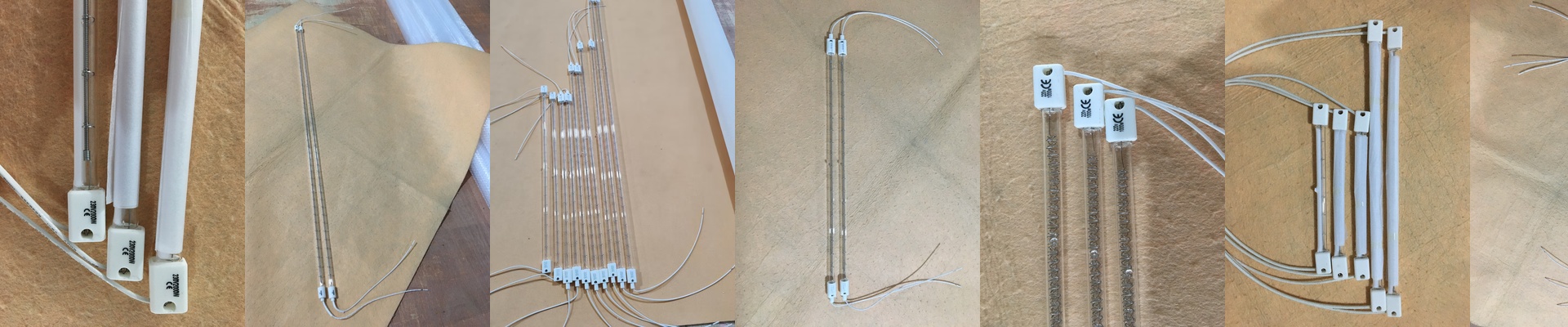
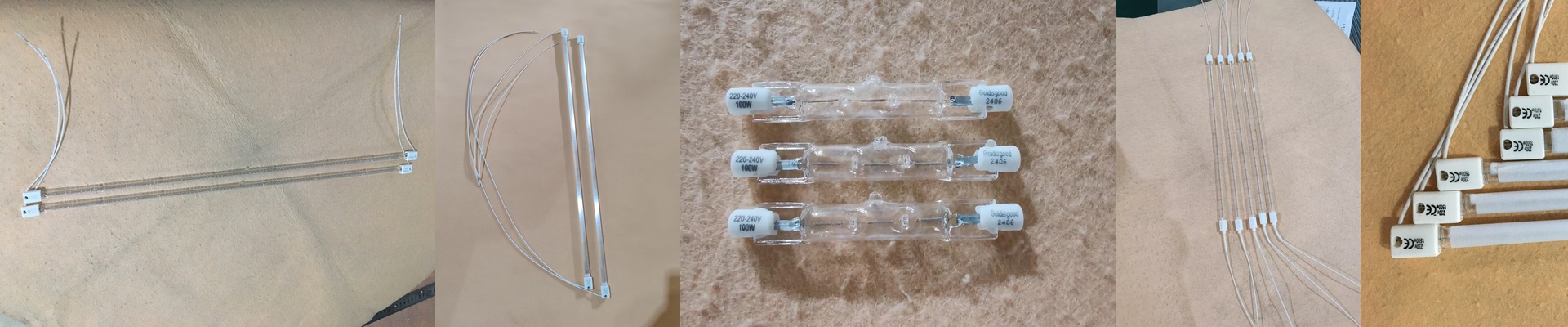
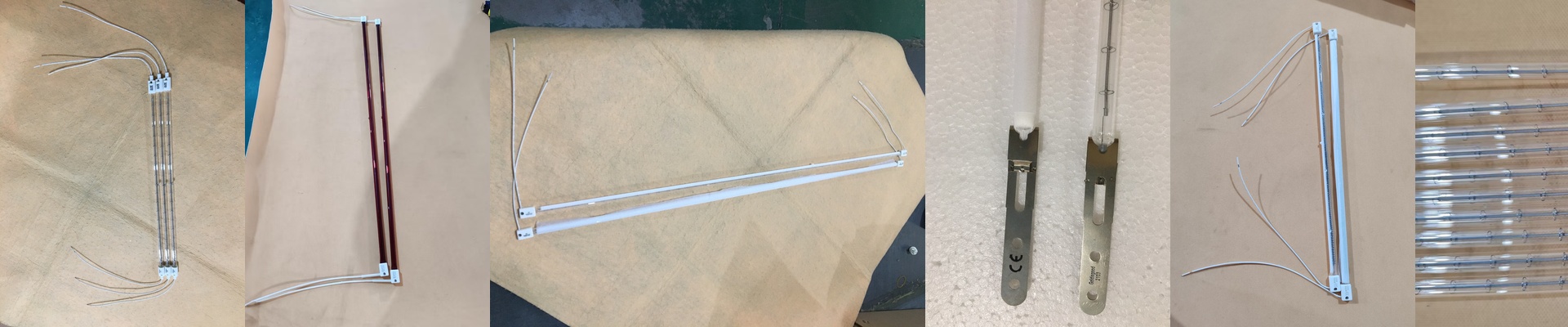
These lamps are built for serious heat density. We’re talking a 400V, 2500W setup packed into a 300mm quartz tube. That’s a lot of energy in a small footprint. And because it’s high-voltage, it pulls less current for the same power. That helps keep wiring cooler and cuts down on voltage drop across the system. But here’s the catch—all that power means your machine’s cooling has to be up to the job. If you run this lamp without proper airflow or cooling, you’re asking for trouble. The surrounding parts will feel the strain. The 300mm length isn’t random, either. It matches the Monforts chamber geometry, so the heat lands exactly where it should—no spillover.
Material, Coating, and Connector Design
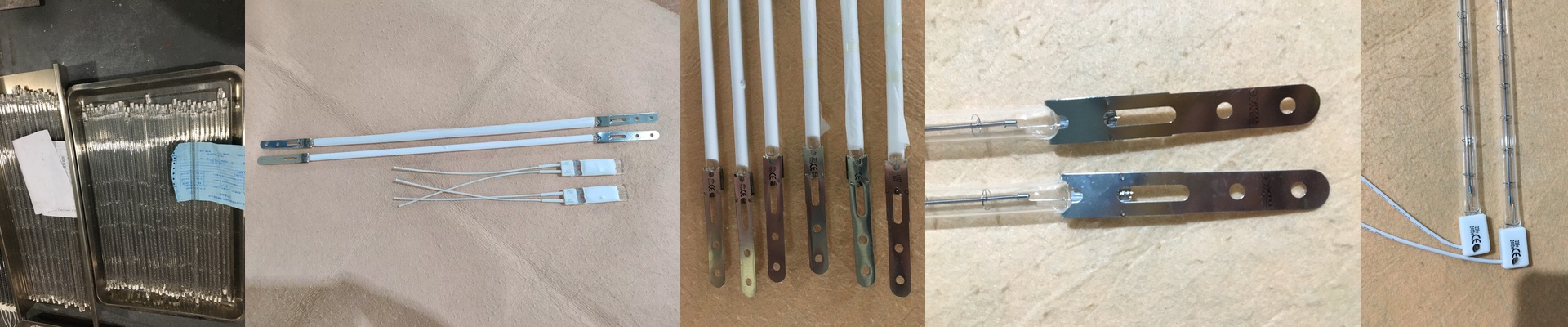
Inside, we use halogen technology in a high-purity quartz envelope. The halogen cycle keeps the bulb wall clean, which helps the output stay stable over the life of the lamp. We also apply a specialized coating on the quartz to manage UV and keep the spectral curve steady. For the connections, we use an R7s double-ended connector. It locks in solid, handles the heat cycles, and makes installation straightforward. You get a true drop-in replacement that wires up quickly.
Application Performance and Operational Reality
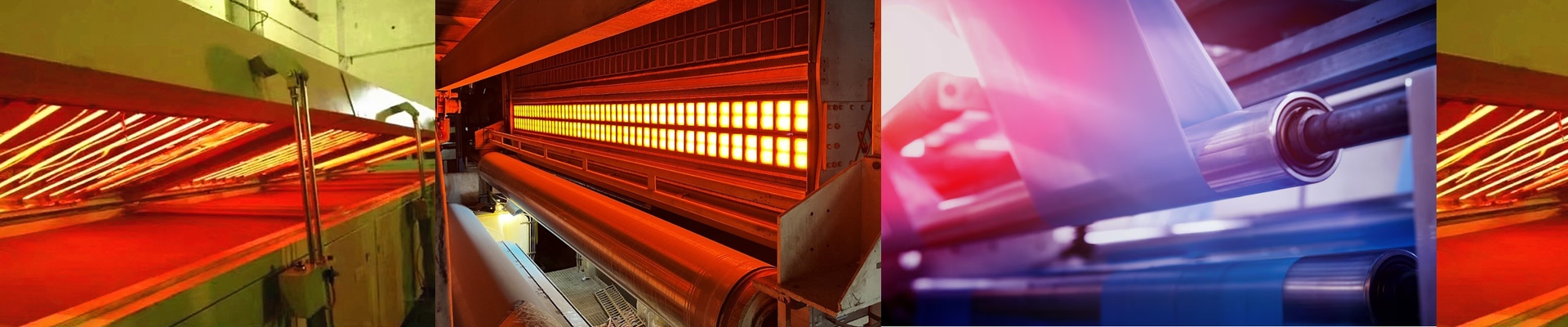
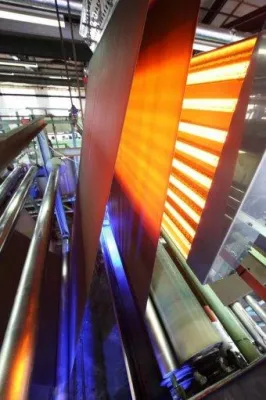
In Monforts B2B setups, this lamp configuration responds fast and gives you tight control over the heating profile. That focused spectrum lets engineers hit setpoints quickly, which boosts throughput without scorching the substrate. Now, a reality check: this is a high-output lamp. Treat it like one. Use the right fixtures, make sure your voltage is stable, and keep the cooling path clear. Do that, and you’ll get consistent performance shift after shift.