Short Wave Infrared Halogen Lamps: Precision Heat, Built for the Grind
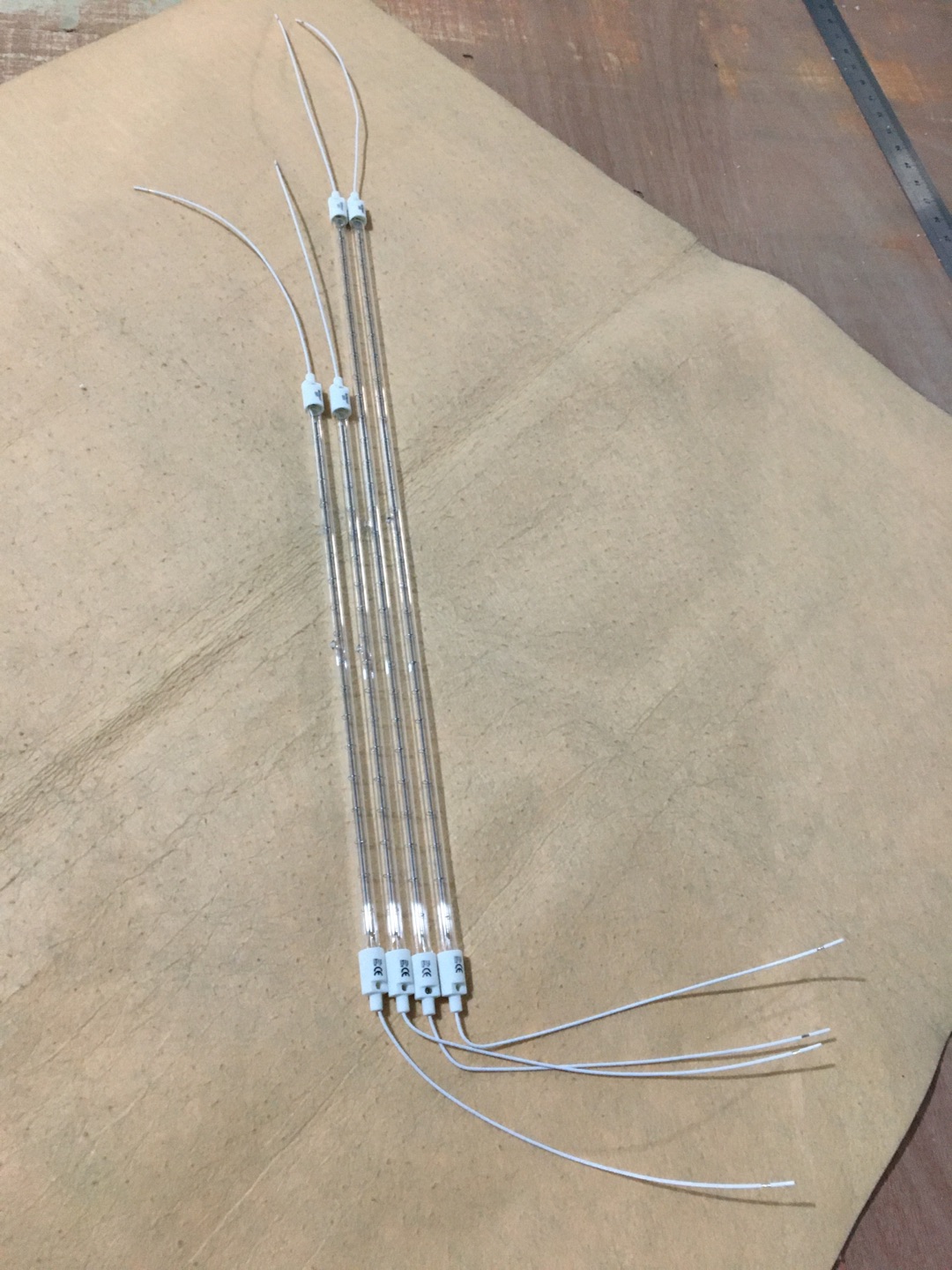
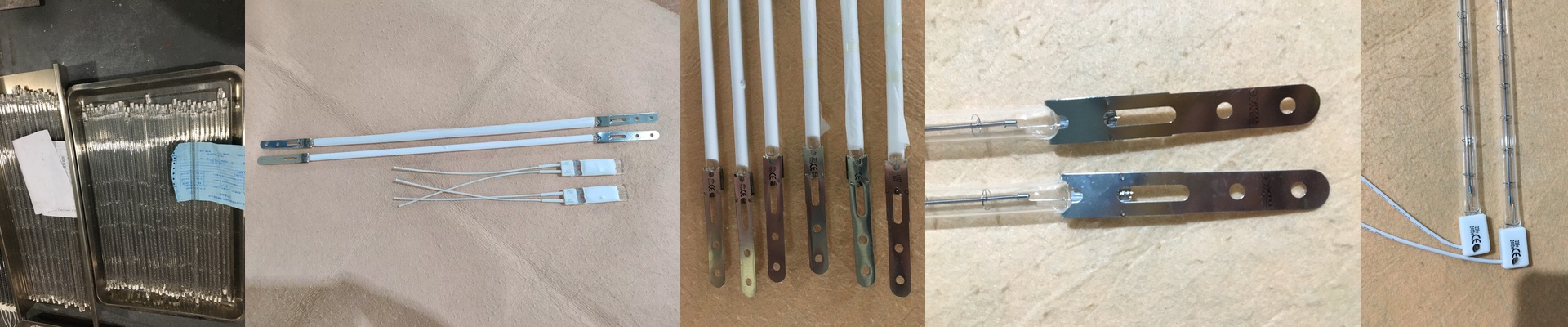
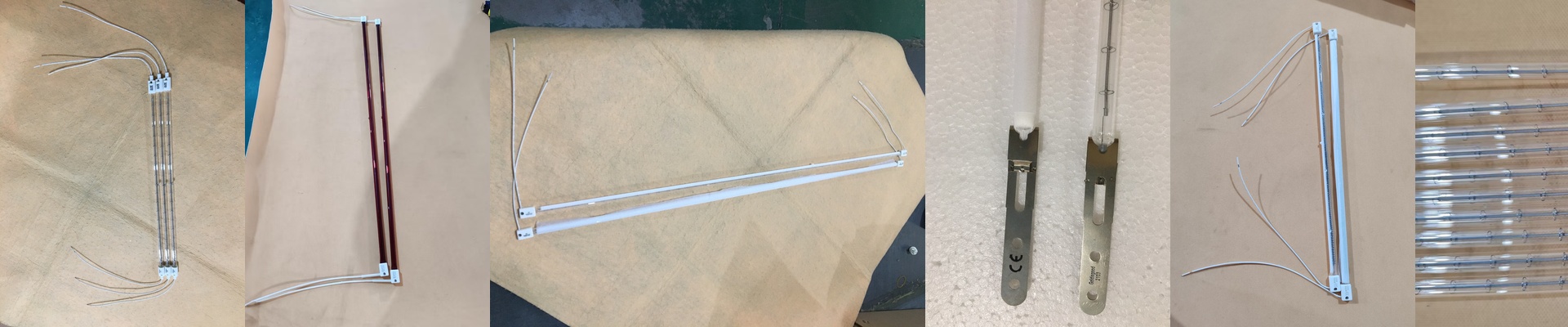
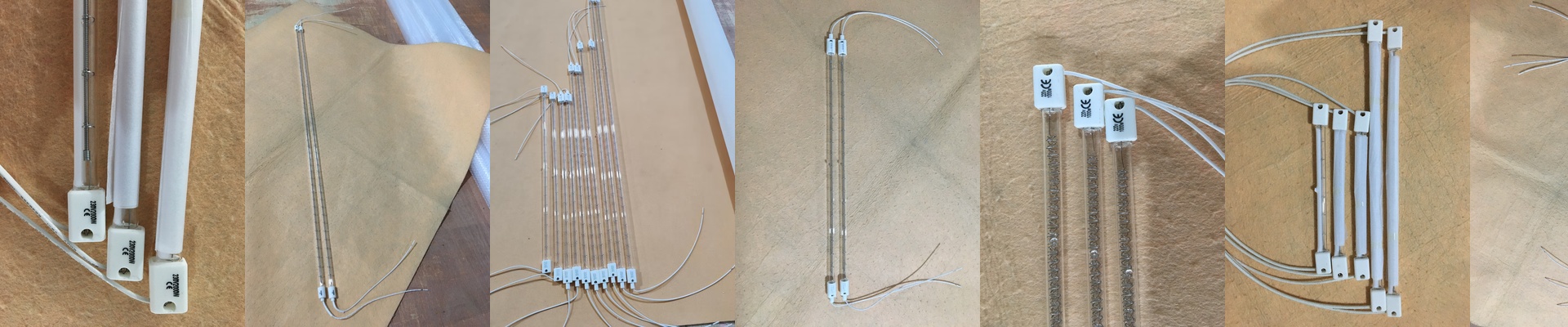
We make short wave infrared (SWIR) halogen lamps for the industrial jobs that demand serious, controllable heat—without taking up a ton of space. These aren’t your average bulbs. They’re purpose-built components, engineered to pack a serious punch right where you need it, for fast, focused heating.
Power, Voltage, and Geometry—Why It All Matters
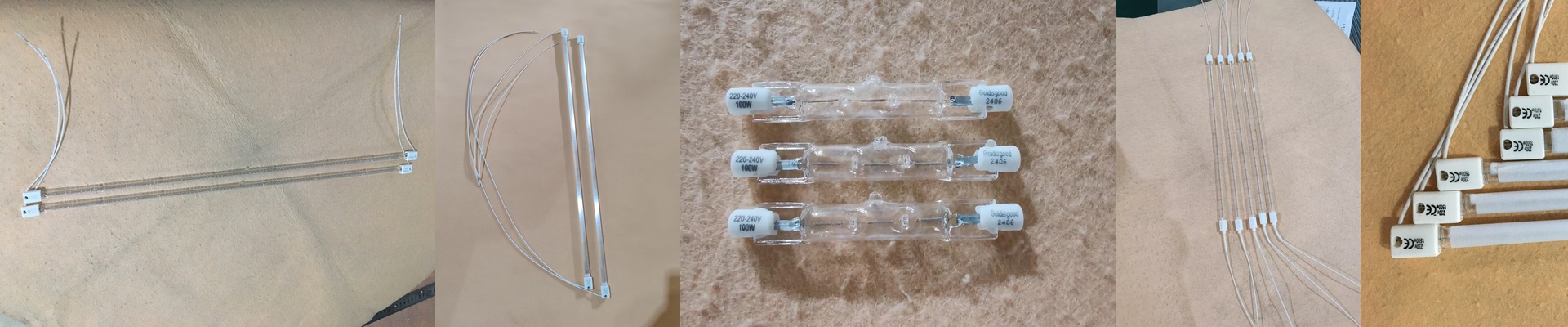
Here’s the thing: with these lamps, it all comes down to the balance between power and size. Take a typical unit: 400V, 2500W. That combination gives you a ton of heat while keeping the current in check. And that makes your life easier. Higher voltage means you can use smaller wiring and less heavy-duty contact hardware compared to low-voltage, high-amp options. Less strain on your system, simpler install, and a cleaner setup overall. Then there’s the geometry. The tube is often around 300mm long, and that length isn’t random. It focuses the infrared energy into a tight zone. A shorter arc length means the filament runs hotter, which gives you quicker response and a stronger burst of radiant heat. The result? A predictable heating pattern, right where you aim it.
What’s Inside—And Why It Holds Up
The envelope is high-purity quartz, not regular glass. It can handle the extreme filament temps and lets the short wave infrared energy pass through cleanly, with minimal loss. Inside, the halogen cycle does the quiet hero work. It redeposits evaporated filament material back onto the filament, keeping the bulb clear. That means stable output over time and a longer life than standard incandescent designs. For mounting, we use R7s or Sk15 bases. These bi-pin connectors lock in tight—solid mechanical hold, solid electrical contact. They’re built to survive vibration and the constant heating and cooling of the factory floor. When it’s time to swap a lamp, it’s a straightforward drop-in replacement. No fuss.
Where They Shine—And What to Keep in Mind
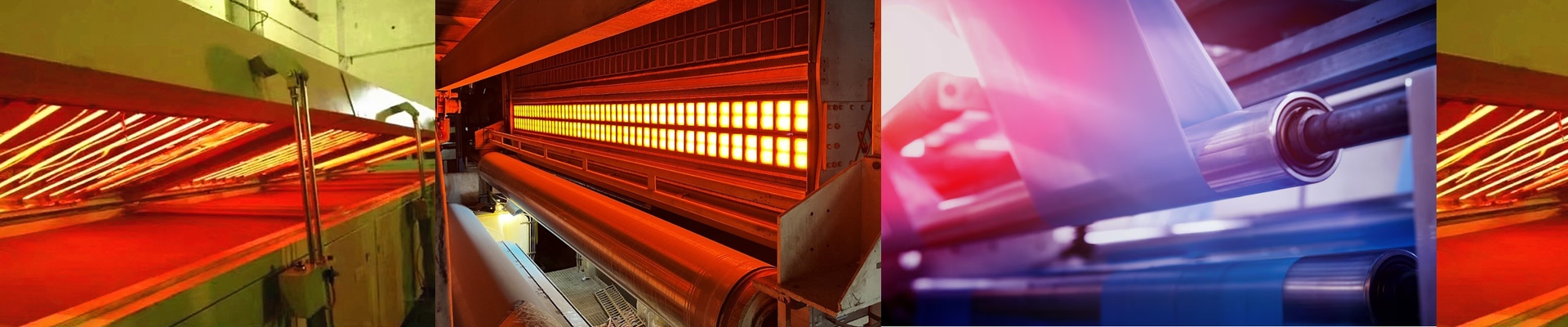
These lamps are a natural fit for processes like PET blowing, thermoforming, and adhesive curing—anywhere you need to heat a surface fast, without warming up the whole machine. The SWIR output cuts in quickly, and the high power density keeps cycle times moving. But, and this is important, that kind of concentrated heat needs respect. Your reflector and machine enclosure have to be ready to manage the heat. Plan your cooling and shielding from the start, and you get a heat source that’s reliable, repeatable, and keeps your process humming.