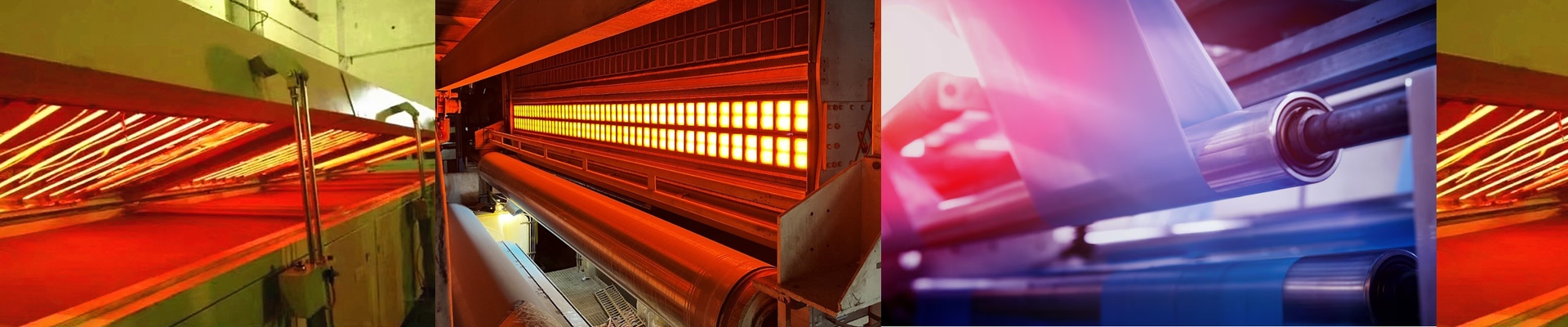
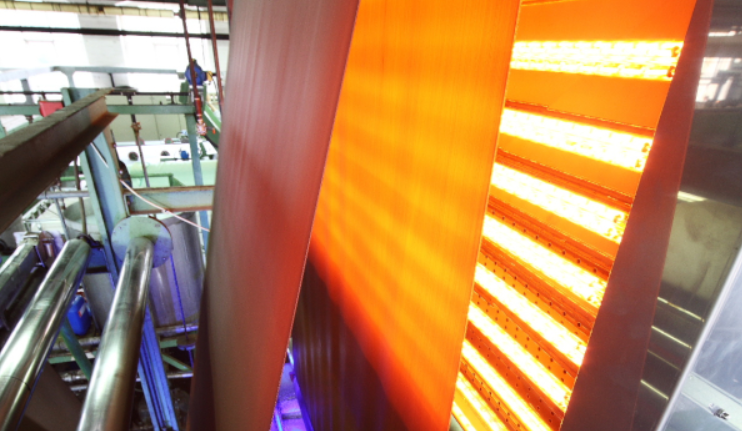
Getting Your Santex IR Lamps Actually Right
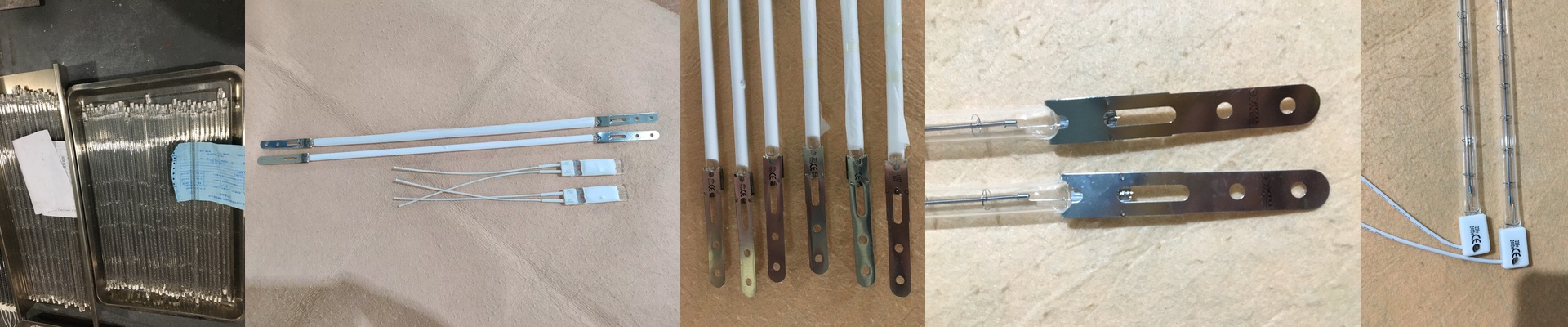
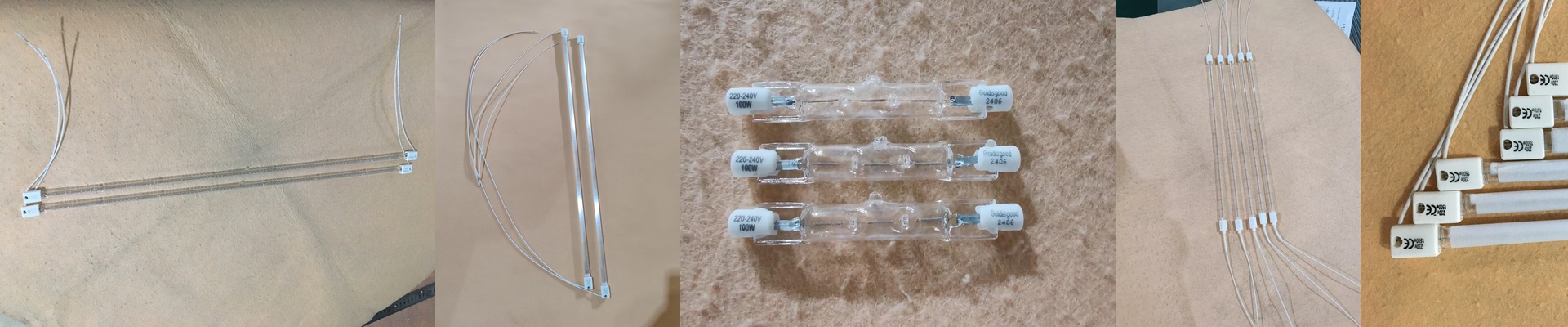
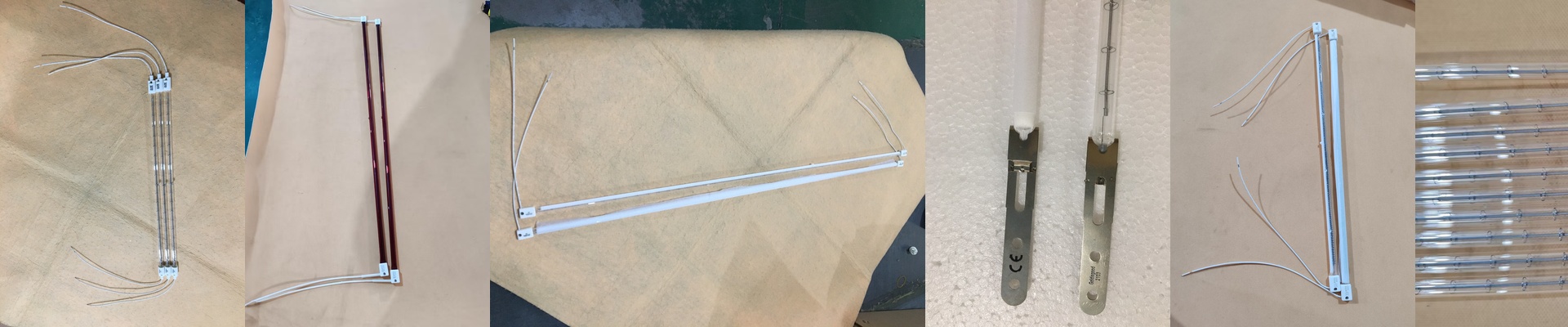
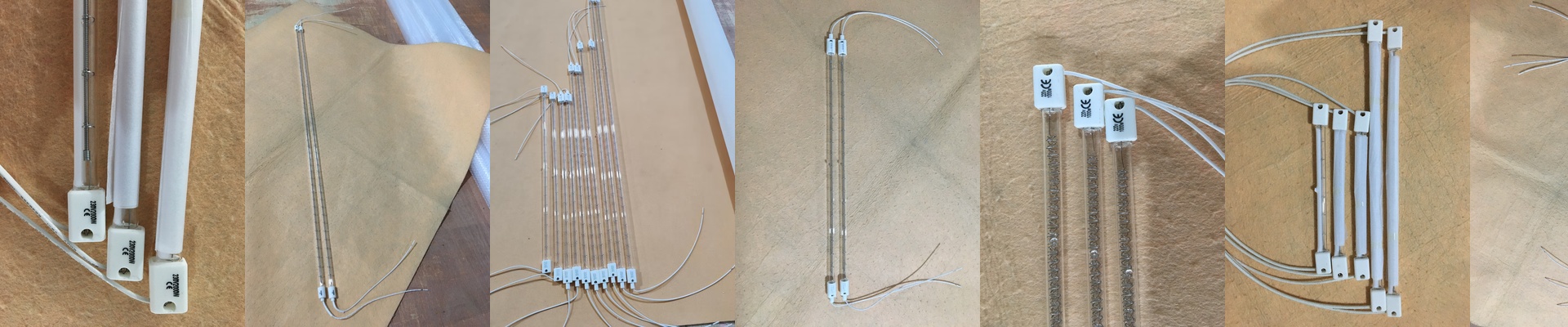
We’ve spent a lot of time on the floor—literally 2,000 different dyeing and printing shops—trying to figure out why standard IR lamps keep dying or leaving weird cold spots on Santex lines. Turns out, generic lamps just aren’t built for the way these machines actually breathe. They don’t account for the wind or how fast the fabric is flying past. Speed vs. Heat Here’s the thing: you need a sweet spot between wattage and voltage. If you don’t hit it, you’re either scorching the fabric or leaving it damp. We found that high-wattage short-wave emitters are the way to go. They heat up fast. Really fast. That means you can crank up the line speed without worrying that the heat isn’t soaking in. If your power density is too low? You’re going to see streaks in your finish, and that’s a headache nobody wants. Fighting the Grime Dyeing plants are brutal places to work. Between the humidity and the chemical fumes, cheap connectors just get eaten alive. To stop that, we use quartz glass with specific coatings. It pushes the heat onto the fabric where it belongs, instead of baking your machine frame. We also stick to reinforced R7s or SK15 connectors. They handle the constant expanding and contracting of the heat much better than standard pins. No more lamps shaking loose or arcing in the middle of a long run. The Trade-off Now, there’s a catch. High-output lamps give you massive heat, but they push your power supply and cooling fans to the limit. If you’re running a 400V tube at full tilt to get more fabric through the door, your reflectors have to be spotless. Just a bit of dust buildup can cause the lamp to overheat and pop. It’s a trade-off. You get incredible performance, but you’ve got to be disciplined about cleaning. It’s a “drop-in” strategy that puts raw output first, even if it means a little more housework to keep the tubes from burning out.