Speeding Up Your Carbon Fiber Cure
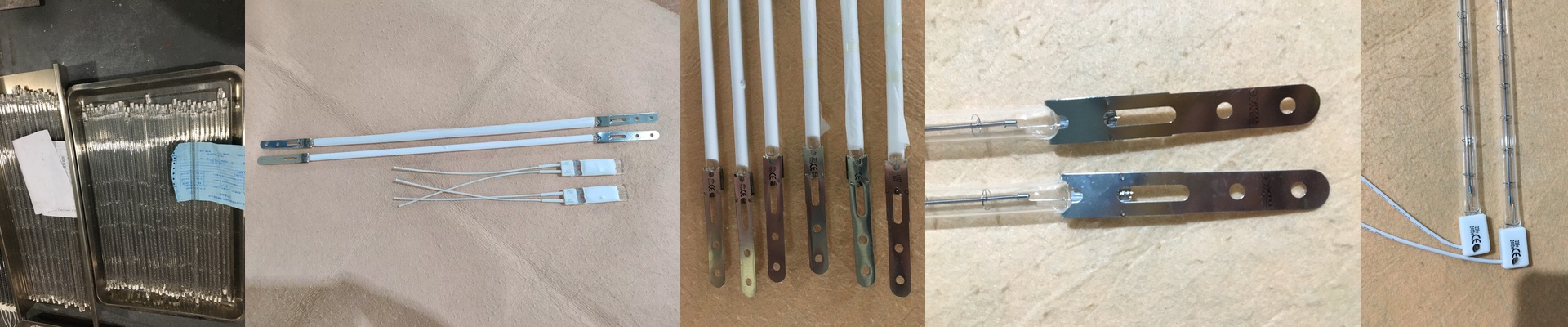
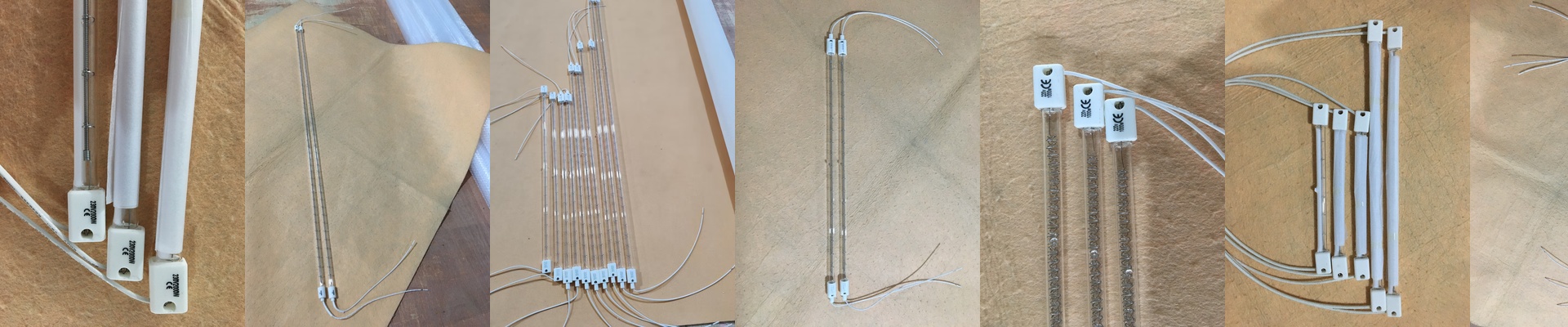
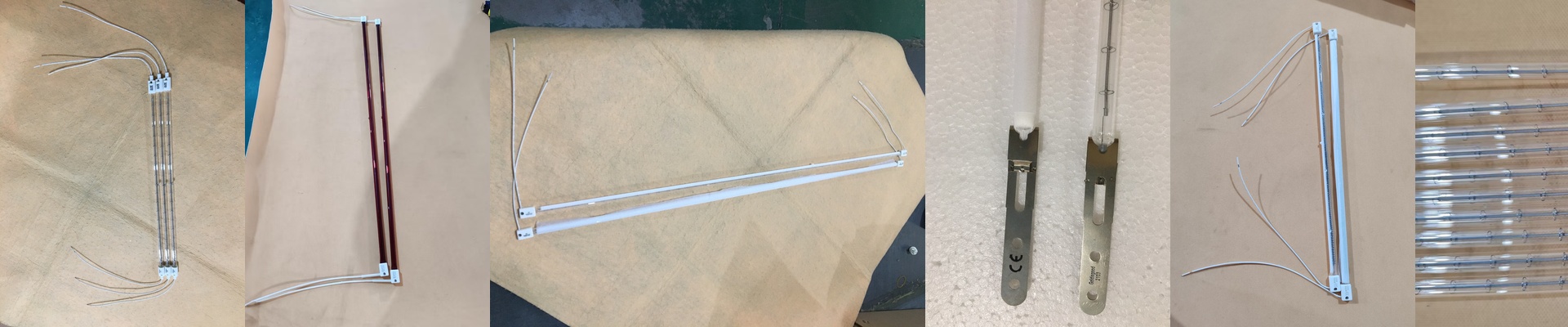
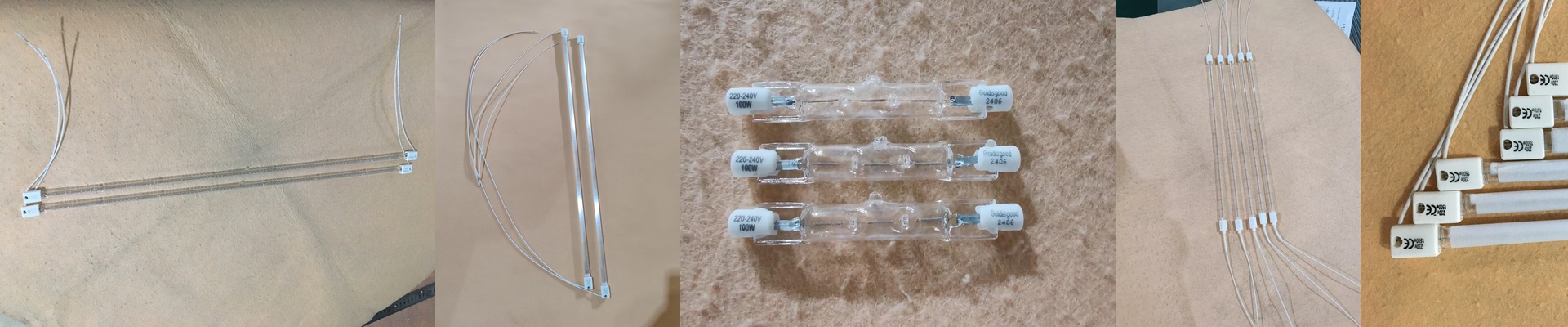
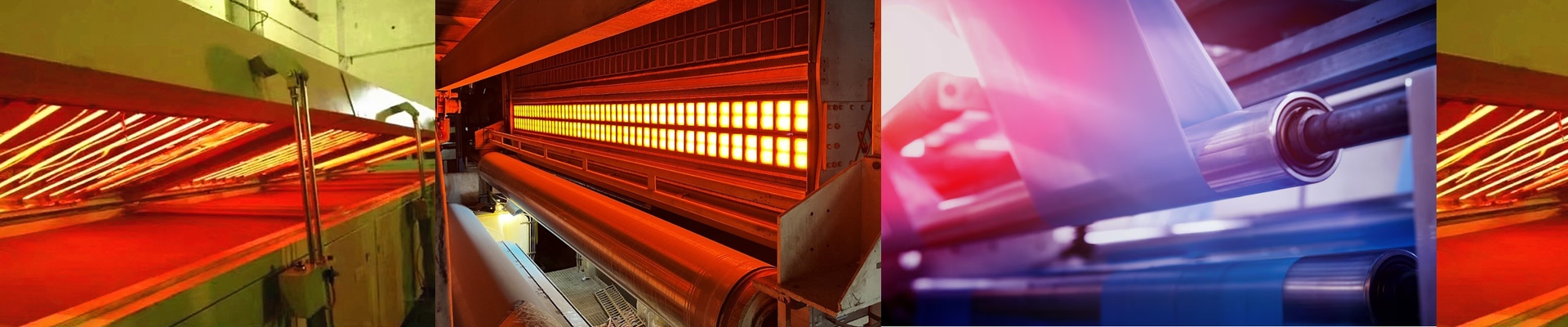
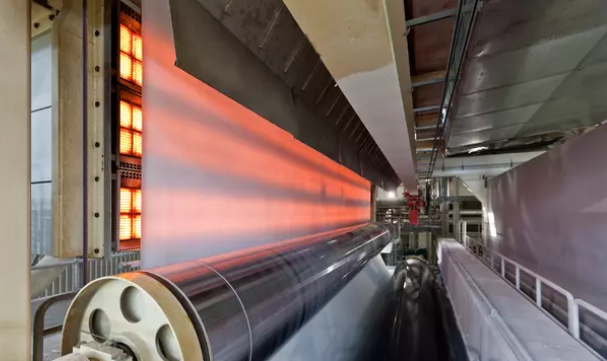
Let’s be honest: waiting for standard ovens to cure high-end carbon fiber is a drag. It takes forever. If you’re trying to push out lightweight, high-strength parts, those long cycle times are just a bottleneck in your shop. That’s why we use custom shortwave infrared (SWIR) lamps. Instead of heating the air around the part and hoping for the best, these lamps drive heat straight into the resin. It’s fast. Really fast. And it changes the whole rhythm of your workflow. Getting the heat right To make this work, you need a lot of power packed into a small space. We design our lamps to hit the fabric with concentrated energy that sinks deep into the layers without torching the surface. You can tweak the voltage and wattage to control the heat flux. The more power density you have, the faster that resin hits its glass transition temperature. But a word of caution: keep a close eye on your PID controllers. If they aren’t tuned right, you’ll overshoot your target temperature, and that’s a quick way to ruin a part. The gear behind the glow We build these things with heavy-wall quartz. Why? Because rapid heating and cooling is brutal on equipment, and this stuff can handle the stress. We stick with shortwave emitters because carbon fibers just “get” this spectrum—they absorb it way more efficiently than other types of heat. Plus, we play around with different reflector shapes to focus the beam. It keeps the heat on your part and off your machine frame, which is just smarter engineering. And if you’ve already got a rig, we can usually match your current footprint so the new lamps just slide right in. Bringing it into the shop Here is the thing about installation: don’t skimp on the wiring. These lamps pull a lot of current. If your wires are too thin, you’ll get voltage drops, and your curing will be hit-or-miss. Also, use high-temp cabling. You don’t want your insulation melting the moment the emitters get hot. One last tip: because SWIR ramps up so quickly, you have to watch for part shrinkage. If you go too fast, you might end up with internal voids. It’s a balancing act. Just match your ramp rate to what the material actually needs, and you’ll be golden.