Getting Your Heat Density Right in Powder Curing
Powder coating is all about hitting that sweet spot. If the temperature isn’t just right, your polymer particles won’t melt and flow into that smooth, tough finish you’re looking for. We design our curing lamps to nail those targets without burning through your electricity bill or cooking your parts.
The real talk on curing power
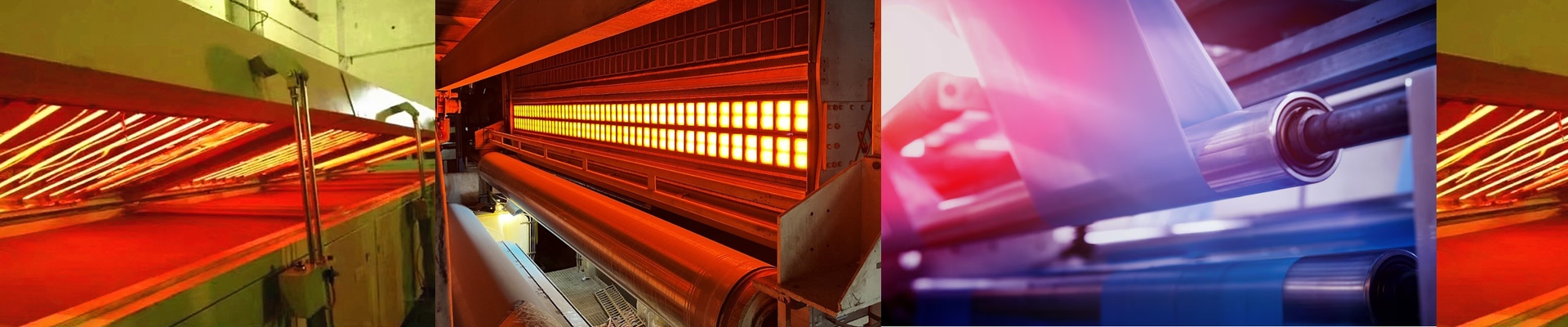
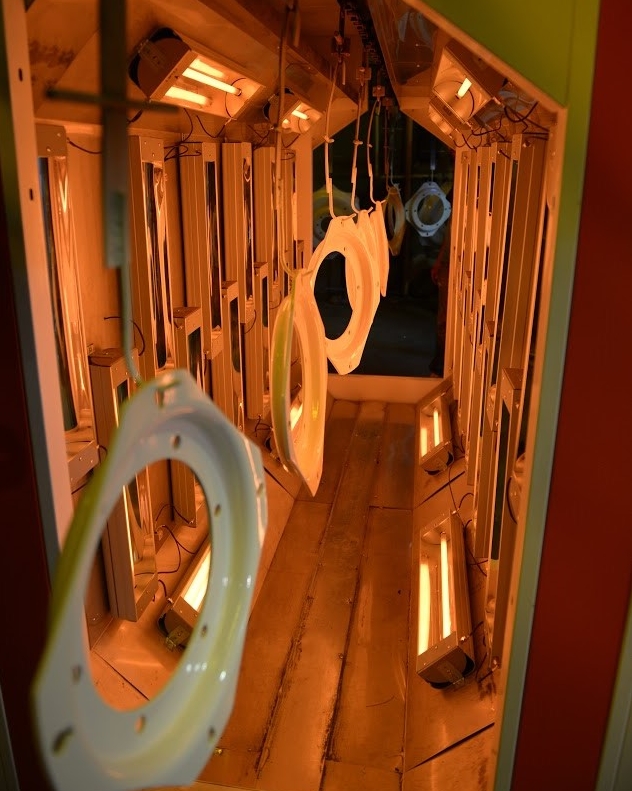
Most of our lamps run on short-wave infrared (IR) radiation. We pack a lot of wattage into a short tube to keep the heat dense. Why? Because high-voltage lamps heat up fast. And when your ramp-up time drops, your conveyor belt can speed up. More parts moving through the oven per hour. More money in your pocket. But here’s the catch. High wattage creates some serious heat in a small area. If your belt is crawling or your lamps are too close together, you’re going to scorch the coating. It’s a balancing act between how much power the lamp puts out and how fast your line is moving.
The guts of the lamp
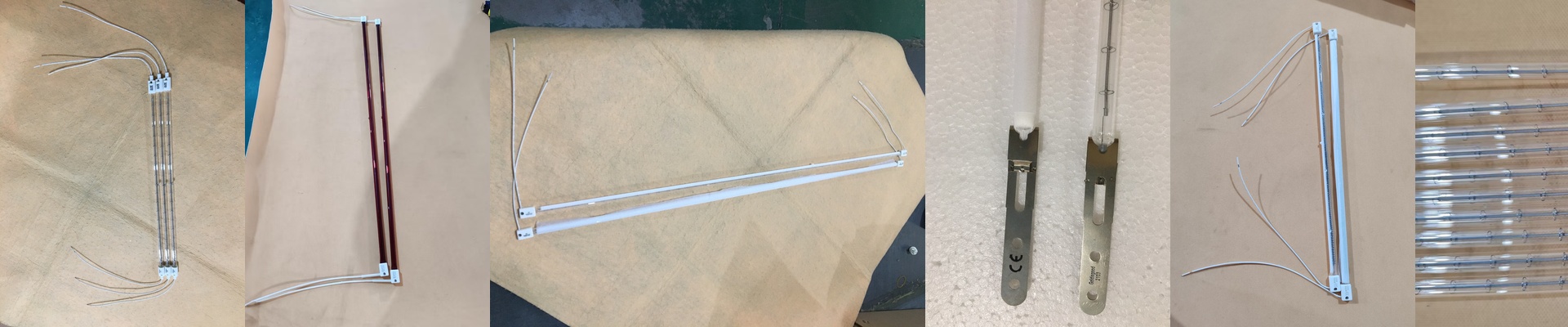
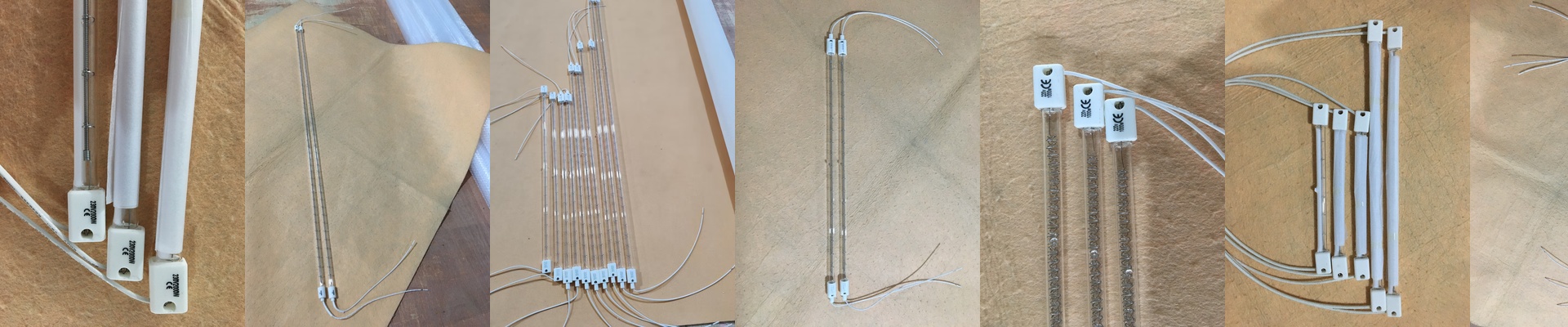
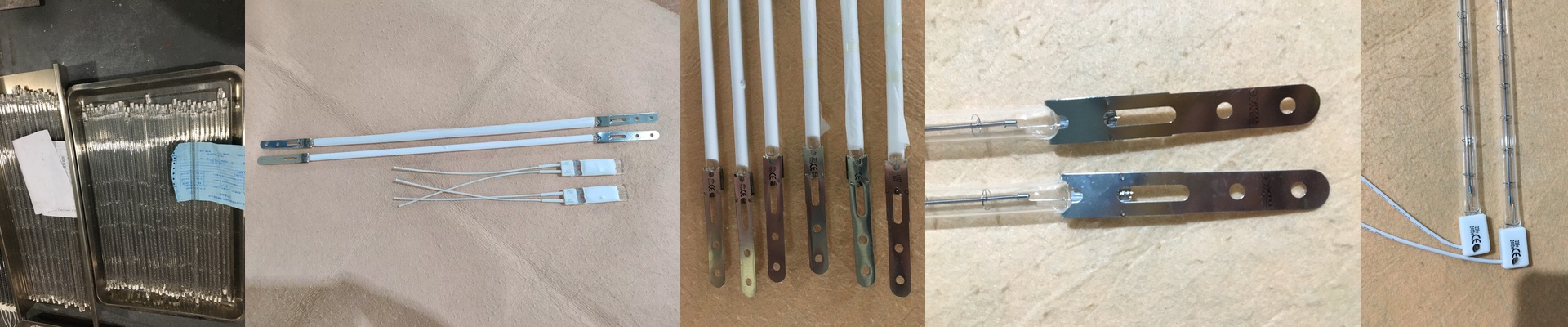
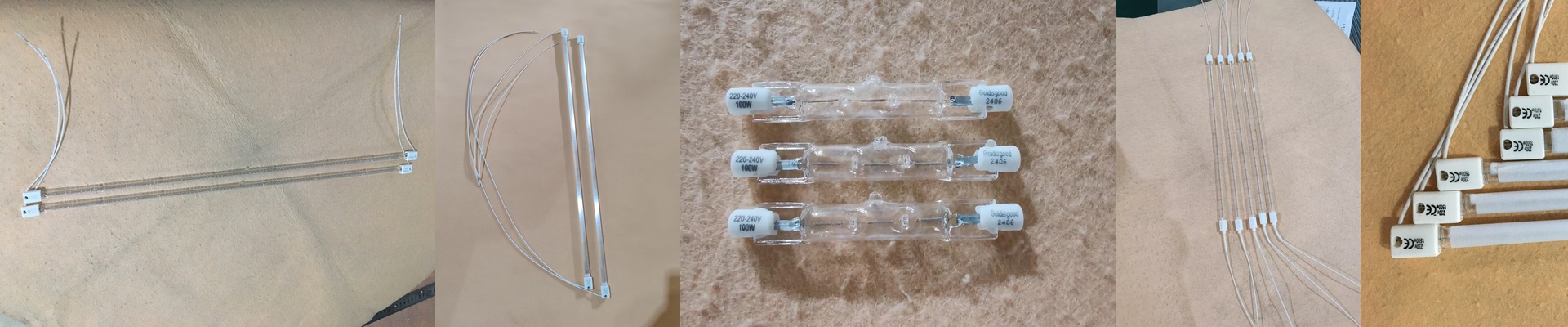
We use high-purity quartz glass because it doesn’t crack when you cycle the heat on and off rapidly. Inside, we use a halogen gas fill. It sounds technical, but all it does is push evaporated tungsten back onto the filament. It keeps the lamp from burning out too early, so you aren’t climbing ladders to replace tubes every other week. As for the plugs, we stick with R7s or Sk15 connectors. They fit right into most setups you’ve already got. They’re tight, sturdy, and they don’t arc at the terminals—which is a huge deal in those vibrating industrial ovens where things tend to shake loose.
Putting them to work
Getting these wired in is pretty simple. Just make sure your power supply matches the lamp’s voltage. If you put a 230V lamp on a 200V circuit, your heat output will tank. On the flip side, if you over-volt them, you’ll snap the filament instantly. It’s a quick pop, and you’re back to square one. We build these things to take a beating in a loud, dirty shop. Just get your electricals sorted, and they’ll do the heavy lifting for you.