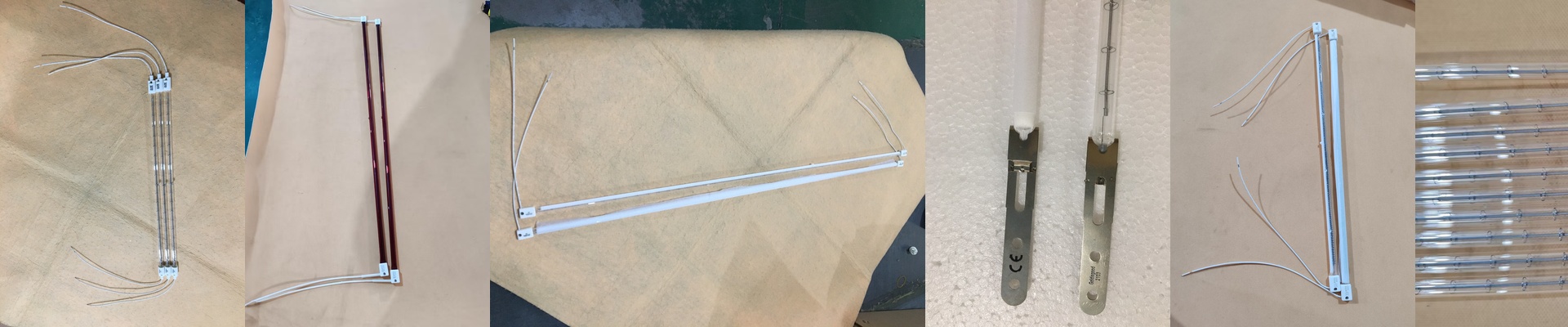
Getting Your Screen Printing Heat Right: The Deal with Shortwave Halogen Lamps
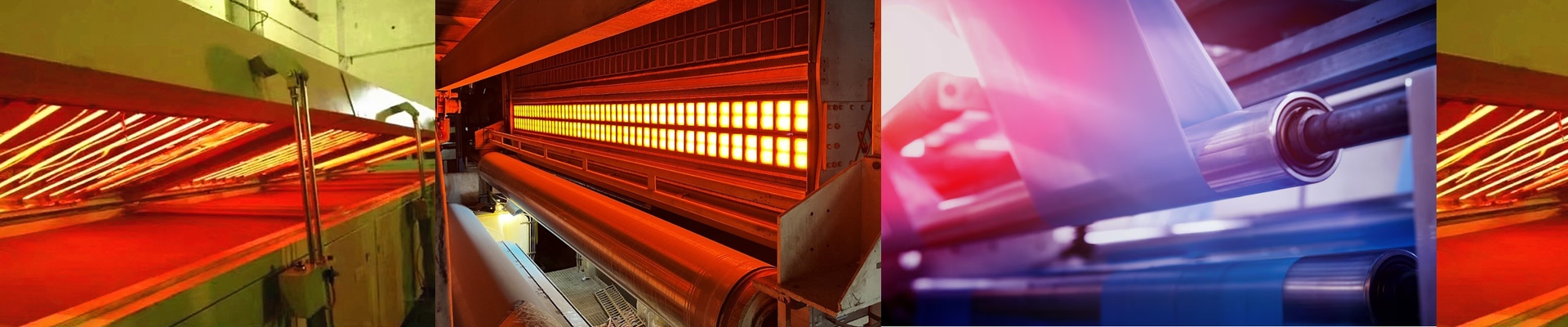
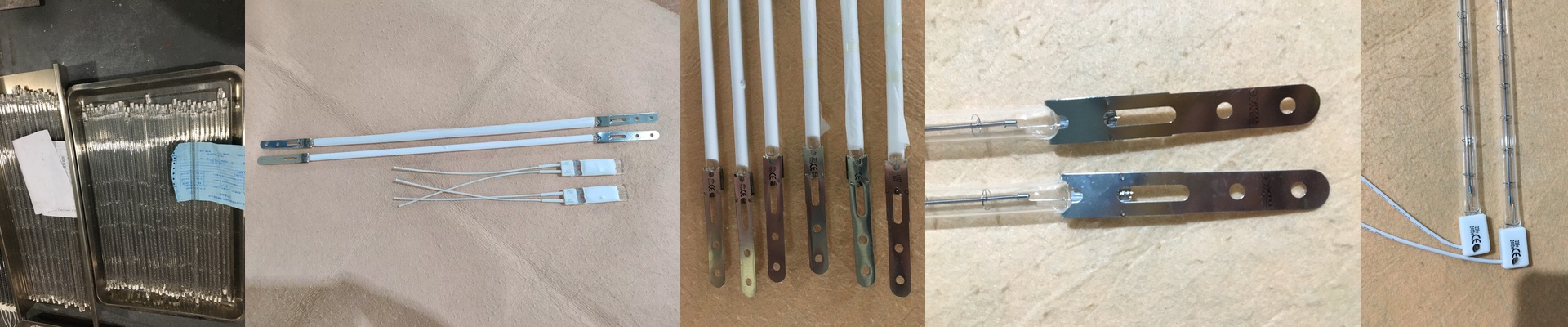
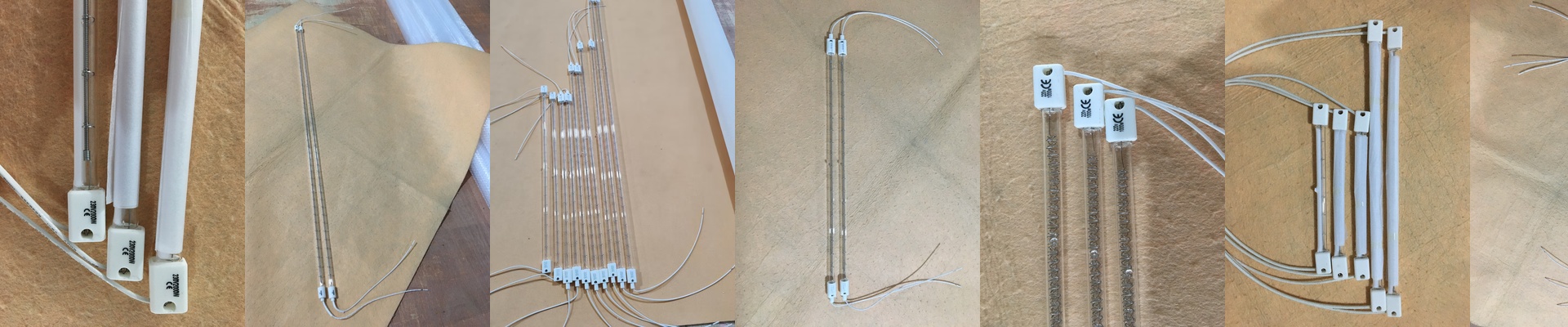
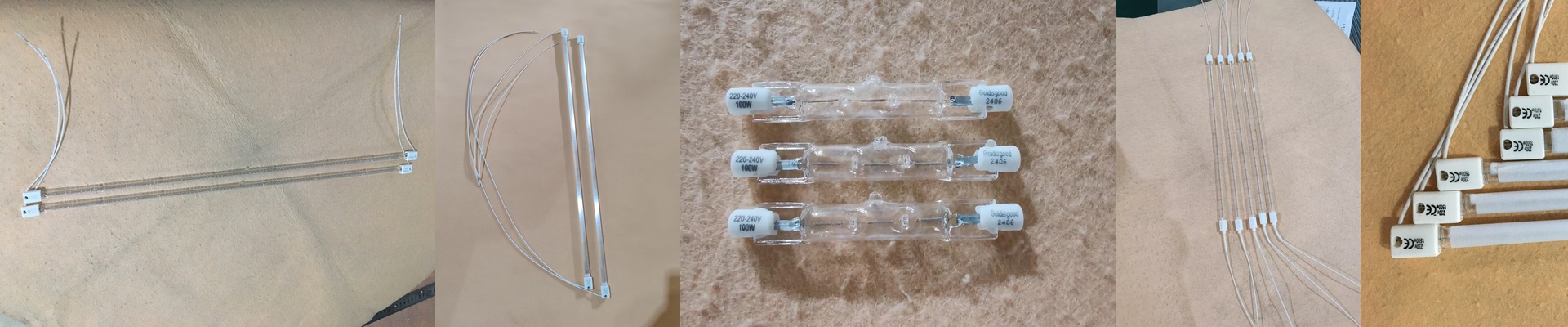
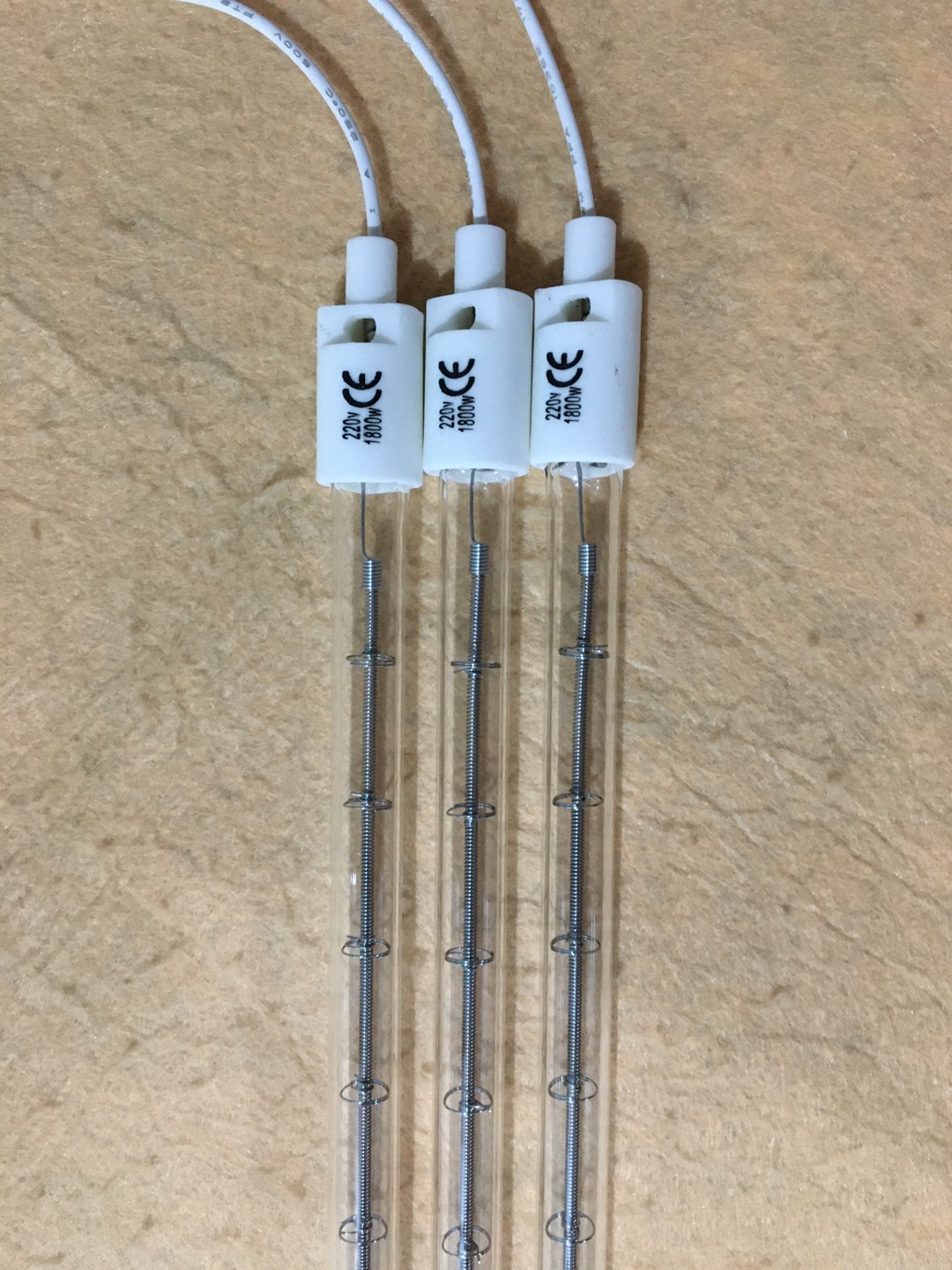
When you’re screen printing, you need to flash-cure your ink fast. Like, really fast. You want the ink set, but you don’t want to accidentally scorch your fabric and ruin a whole batch of shirts. That’s why we lean on shortwave halogen lamps. Instead of waiting for a surface to get hot and then radiating that heat, these things just shoot energy straight into the ink. It’s immediate. The nitty-gritty on power Here’s the thing about the specs: wattage and voltage aren’t just numbers on a box; they’re the difference between a perfect cure and a disaster. More wattage means more heat density per inch. But you’ve got to be careful with the voltage. If you plug a 230V lamp into a 110V circuit, it’ll never get hot enough to do the job. On the flip side? Over-volting it will pop that filament in a matter of minutes. To handle that kind of heat without warping, we use quartz glass. It’s tough. Fitting them in We usually go with R7s or Sk15 connectors. Why? Because when a lamp eventually dies, you want to be able to swap it out in seconds, not spend an hour fighting with the hardware. And if you notice the glass has a coating, there’s a reason for that. It filters the light so your fabric doesn’t turn yellow, while still keeping all that heat focused exactly where it needs to be—on the ink. Most of the time, these just slide right into your existing curing heads. Real talk: Life on the shop floor The best part is the speed. These lamps hit their peak temperature almost instantly, which means you can crank up your line speed and get more orders out the door. But there is a catch. All that intense heat puts a massive strain on your reflectors. If they get dirty or pitted, the heat doesn’t go down—it bounces right back into the housing. I’ve seen this melt wiring and warp mounting brackets. Keep those reflectors polished. It’s a small chore, but it stops your machine frame from soaking up heat it shouldn’t.