Getting the Most Out of Your Quartz Halogen IR Lamps
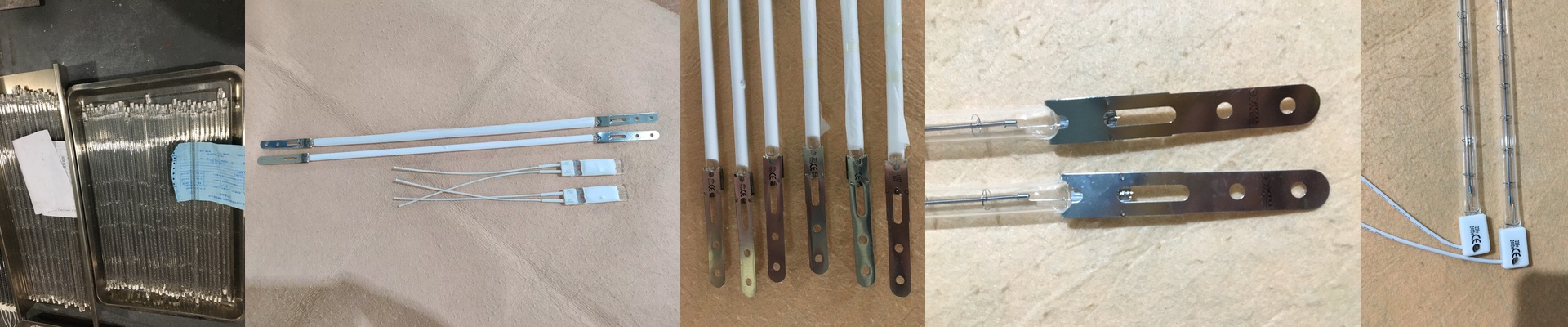
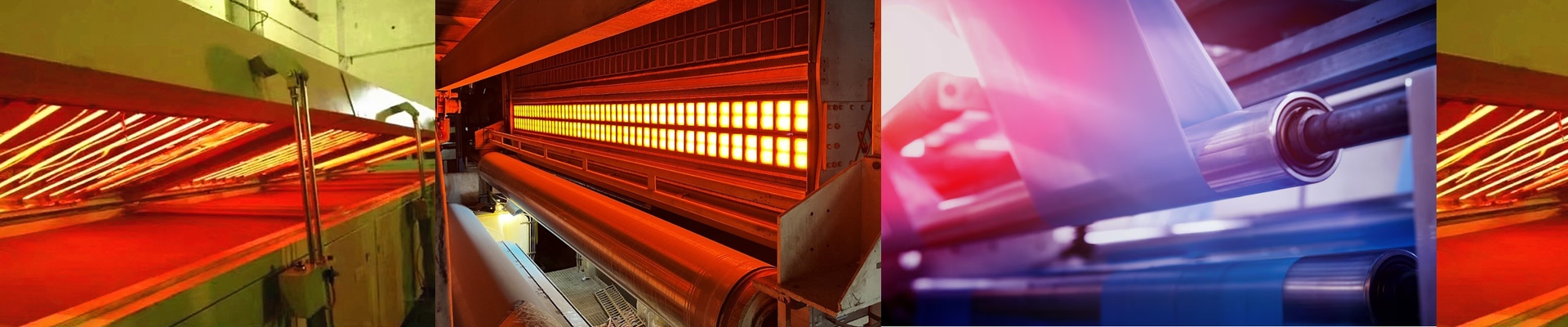
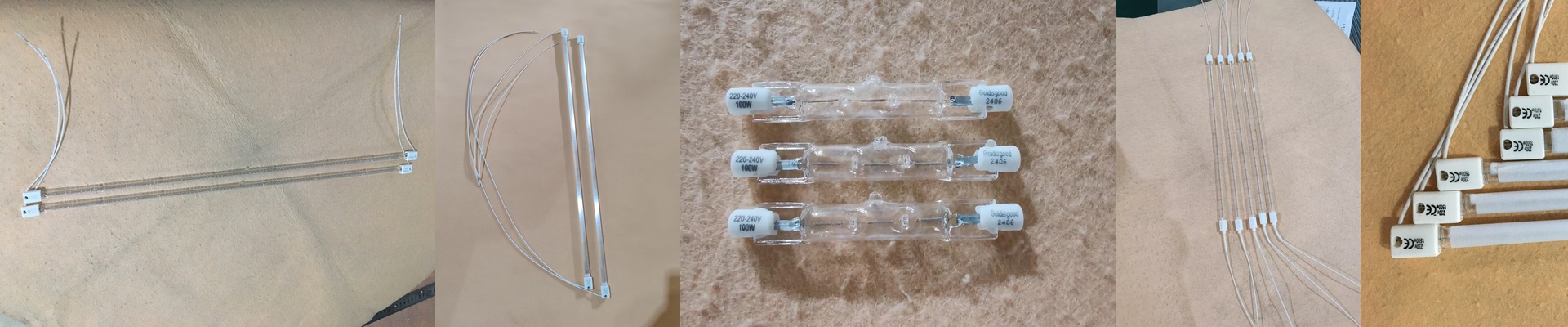
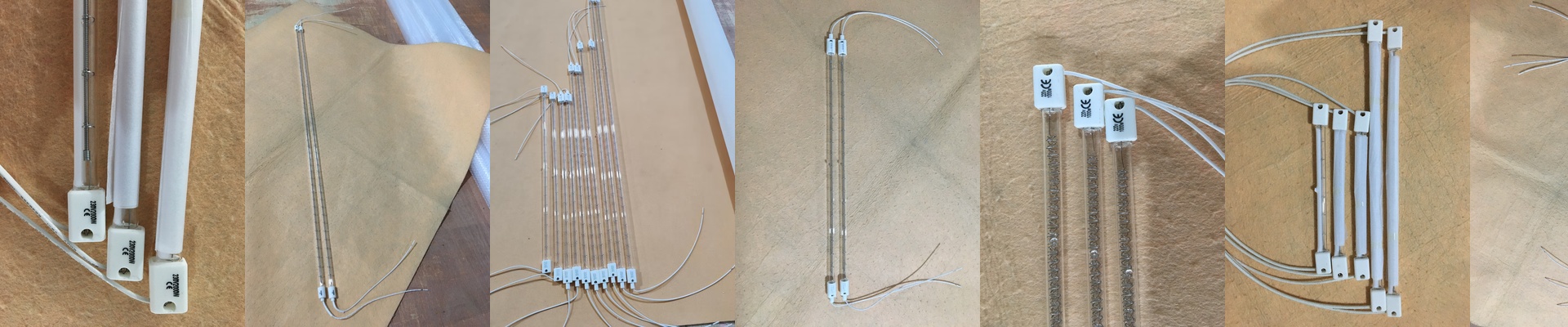
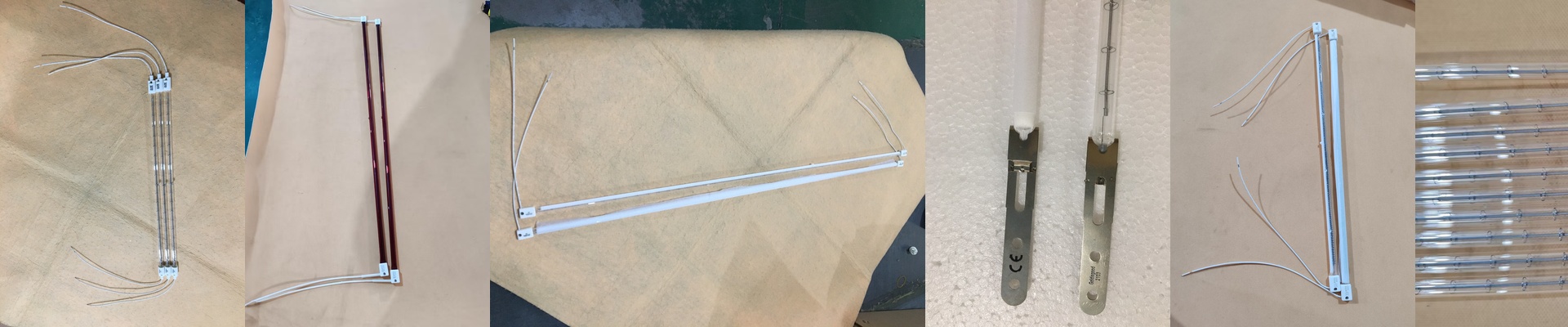
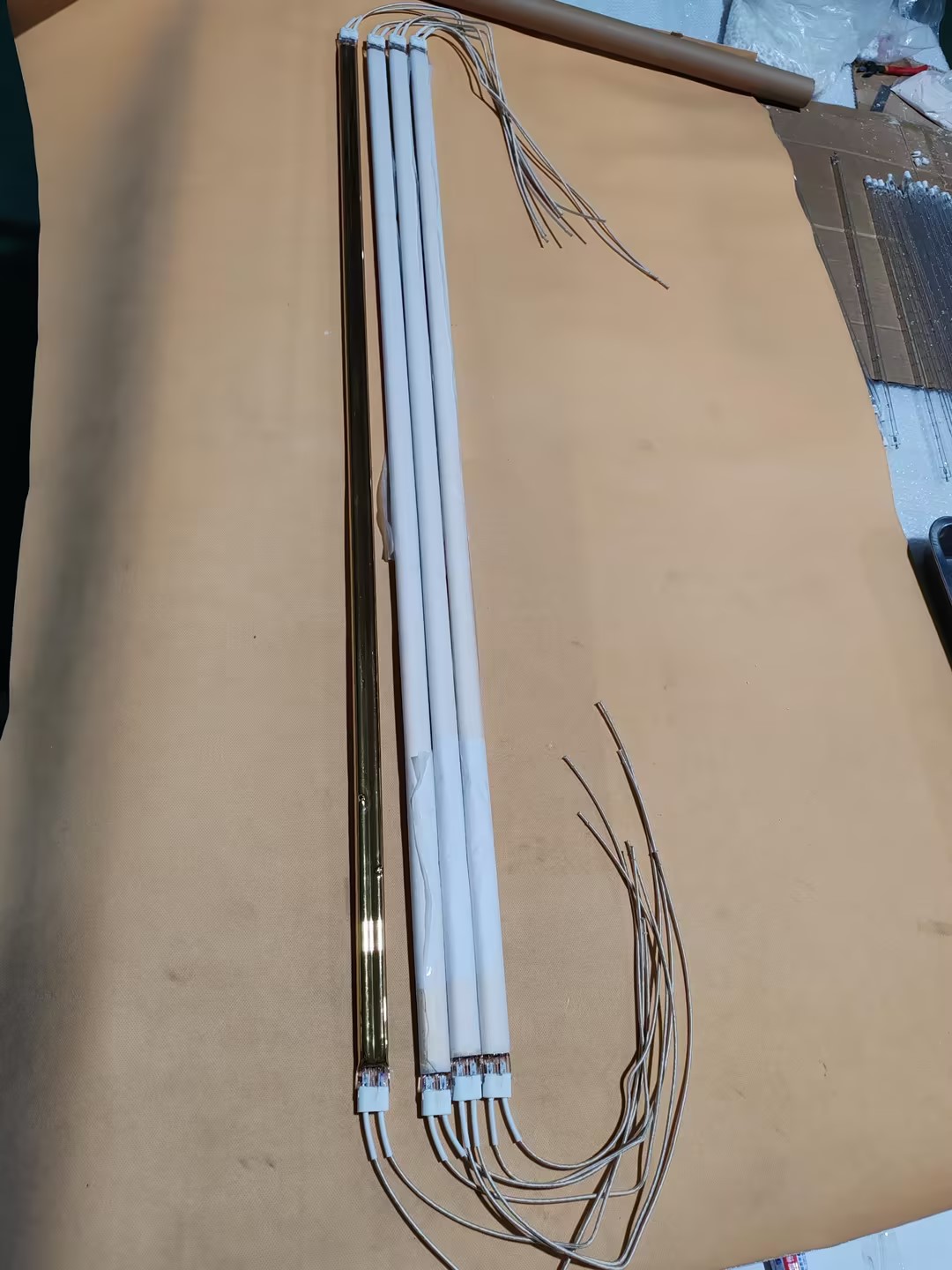
Basically, these lamps work by pushing a current through a tungsten filament inside a quartz tube. We add halogen gas into the mix so the filament doesn’t just evaporate and disappear. It keeps the glass clear and means you aren’t replacing bulbs every five minutes. The heat and the power It all comes down to the balance between voltage and wattage. If you cram a lot of wattage into a short tube, you get a massive amount of heat in a small space. That’s how you get your process up to temperature fast. We usually tweak the voltage to fit whatever power grid you’re already using or to keep things steady across a whole bank of heaters. But a word of warning: if you push a lamp to its absolute limit, you’re putting a lot of stress on that quartz. If your voltage jumps around too much, you’re looking at a burnout. The build and the plugs We use high-purity quartz for a reason. It can take a beating from extreme temperature swings without cracking, and it lets that shortwave IR radiation fly right through without getting blocked. Depending on what you’re heating, we can even add coatings to shift the light spectrum. Then there are the connectors. You’ll usually see R7s or SK15 bases. They’re the industry standard because they actually stay put. There’s nothing worse than a loose connection causing sparks (arcing) while your machine is vibrating. These just snap in and work. It makes swapping them out a breeze. Real-world use If you’re doing PET blowing or curing plastics, these are your best bet. They hit the material instantly. No waiting around for a heating element to “soak” or warm up. Just one thing: keep your reflectors clean. Seriously. A little bit of dust acts like a blanket, killing your efficiency. It forces the lamps to run hotter than they need to just to hit your target temp, which just wears them out faster.