The R7s Linear Halogen Lamp: A Heat Powerhouse for the Real World
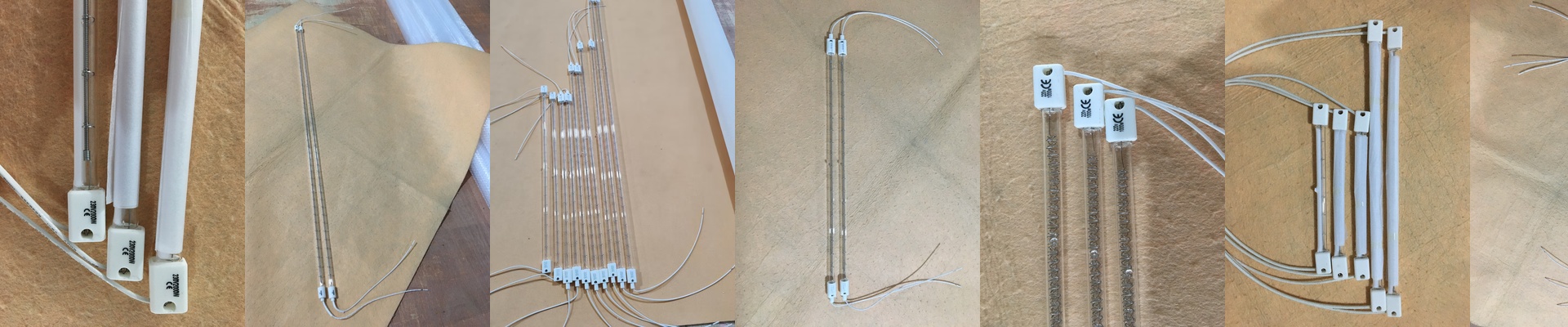
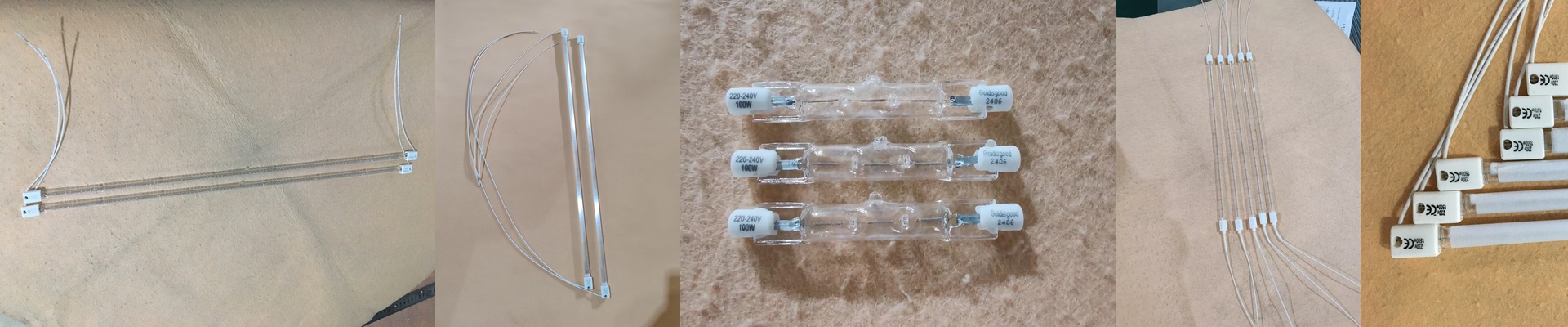
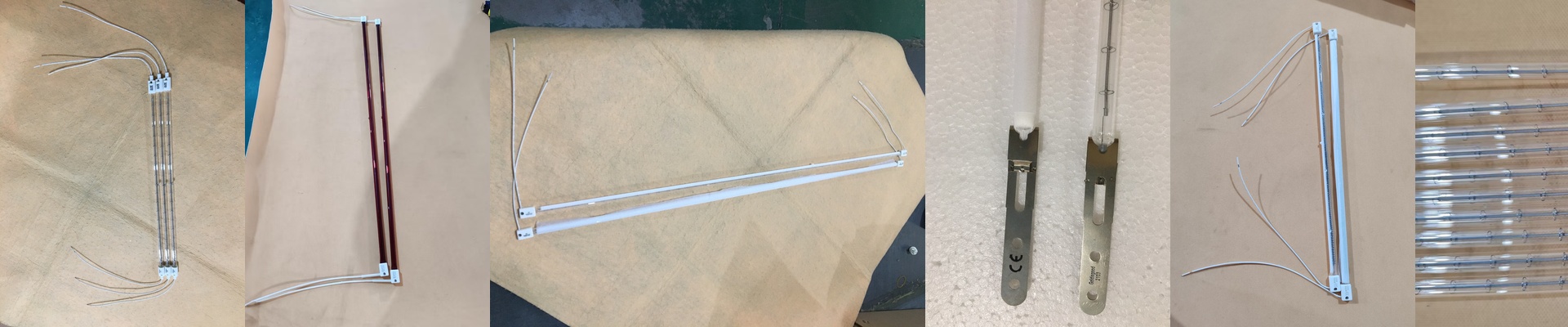
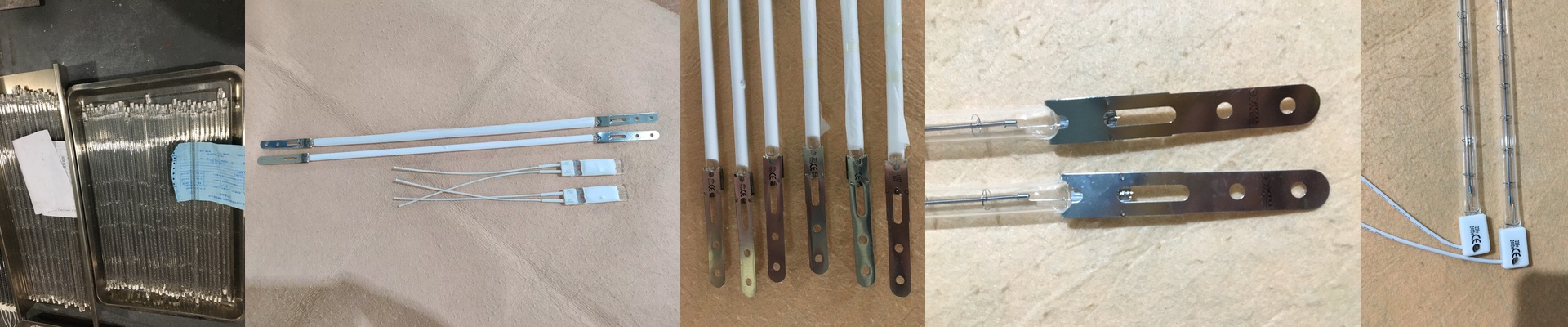
We built the R7s linear halogen lamp for the engineers who need serious heat in a small space. It’s not just another bulb. It’s a focused heat tool, designed to deliver concentrated infrared energy exactly where you need it, without taking up a lot of room.
Why the details actually matter
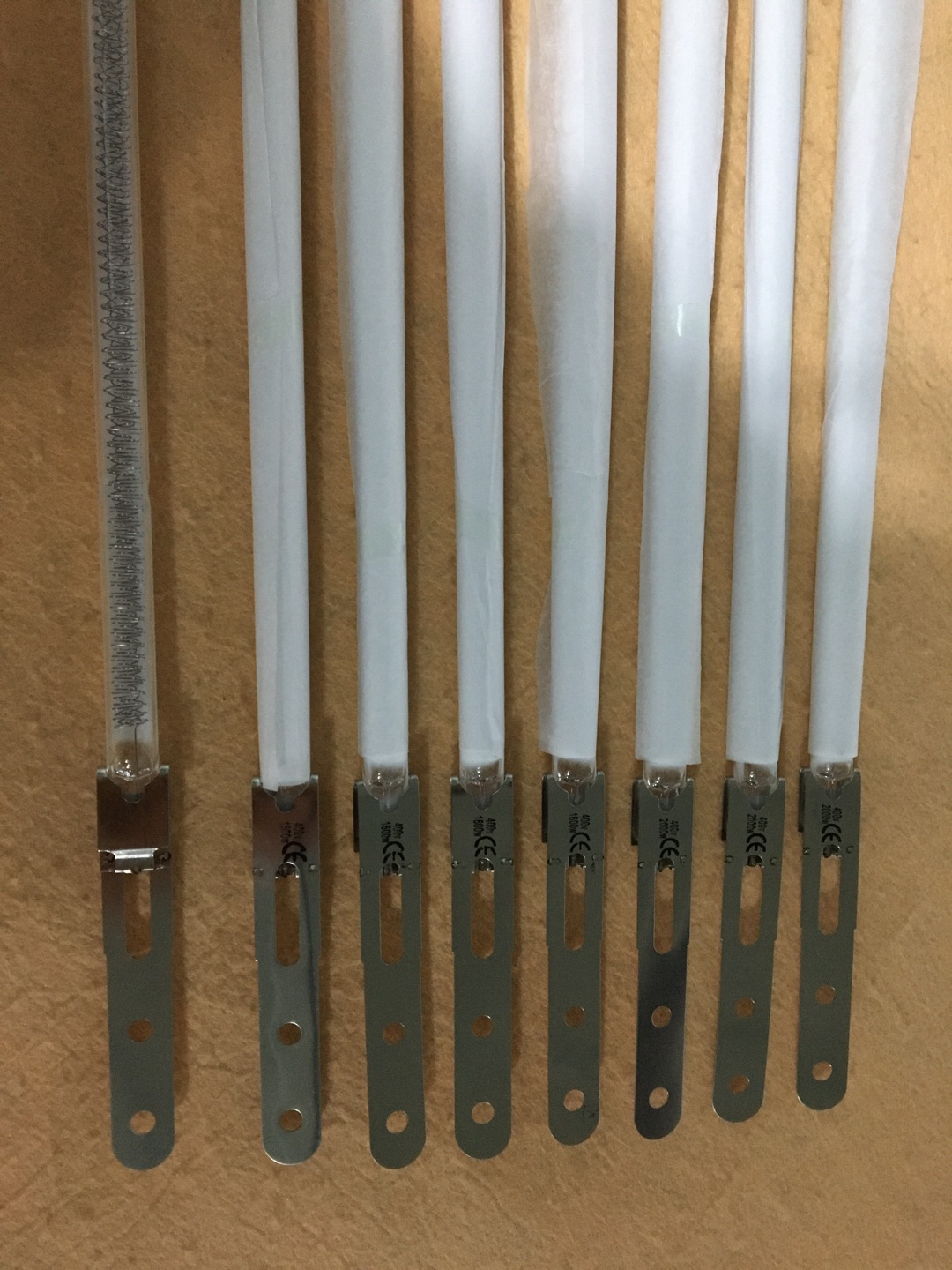
Here’s the thing: the real magic is in the balance of power, voltage, and size. These lamps pack a punch—we’re talking up to 2500 watts. And they often run on 400 volts. Why that high voltage? It lets you get that much power without the current spiking. That keeps things from getting too hot in the wiring and connections. And the shape? It’s long and thin, usually around 300mm. That gives you a clean, predictable line of heat. Perfect when you need to heat a narrow area evenly—think a sealing bar, a preheat spot, or a tight channel. You get a heat pattern that’s consistent and easy to control, cycle after cycle. But there’s a trade-off. That kind of heat density means the machine around it has to be ready for it. You’ve got to plan for proper airflow or heat sinking to keep the lamp, socket, and nearby parts from getting too hot.
What’s inside that makes it work
We chose a quartz envelope because it can handle wild temperature swings and lets infrared energy pass through without a problem. Inside, the halogen cycle keeps the envelope clean while it runs. That means the heat output stays steady over the lamp’s life, so you don’t get that annoying fade you see with standard bulbs. Many versions also have a reflective coating on the quartz. It catches the heat that would otherwise go backward and throws it forward, so more of that wattage hits your target. Then there’s the R7s base. It’s the anchor that holds everything in place. Two solid contact points keep the lamp aligned and the current flowing reliably. That makes replacements quick and positioning repeatable—which is a big deal when every minute of downtime costs you.
Where this lamp shines
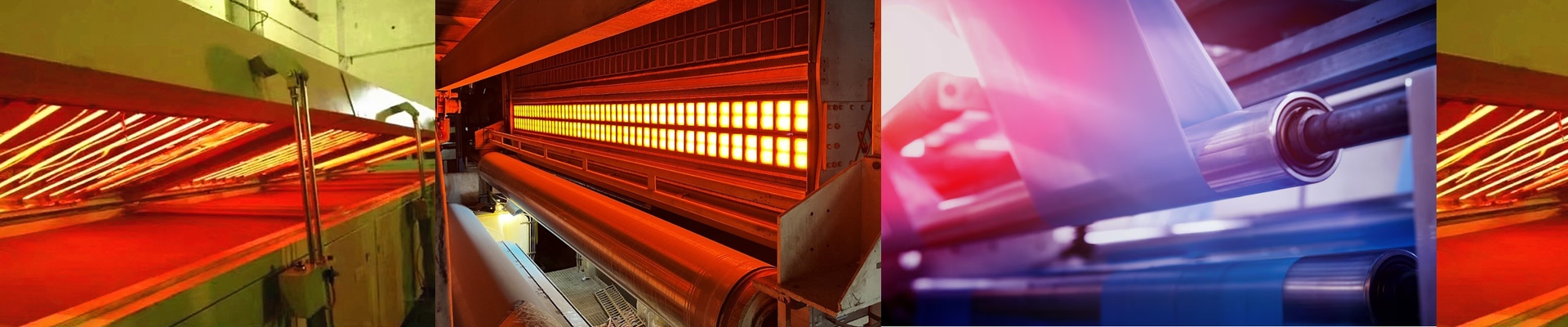
In the real world, the R7s really shines when you’re squeezed for space but need a lot of heat. Think plastic welding, packaging sealing, or preheating parts before they’re formed. The concentrated infrared output hits surfaces fast. That means shorter cycle times and more control over the heating window. The output stays steady across the service interval, and the linear shape makes it easy to integrate into guarded, automated setups. Just remember to plan for cooling and thermal isolation. Do that, and you’ve got a heating solution that fits right into industrial equipment—one that’s repeatable, serviceable, and ready to work.