Getting Your IR Wavelengths Right for Textile Dyes
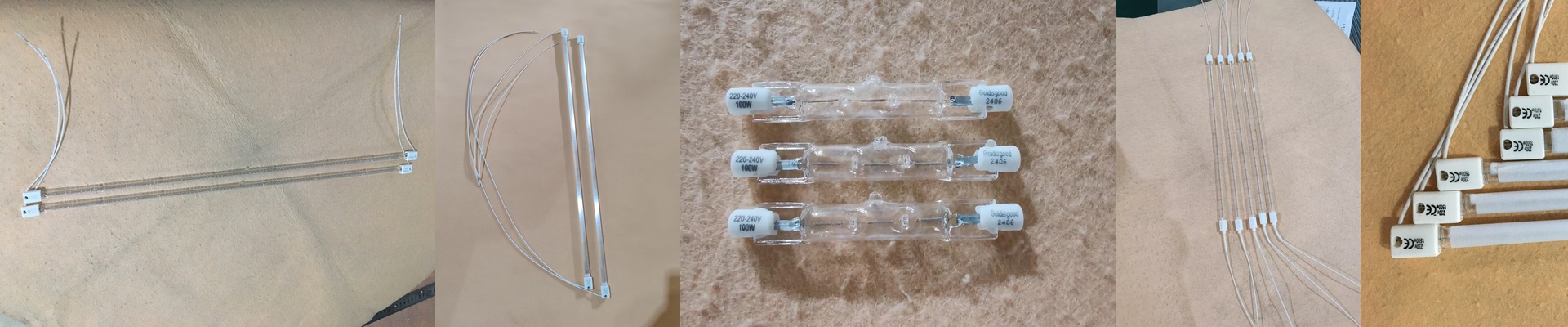
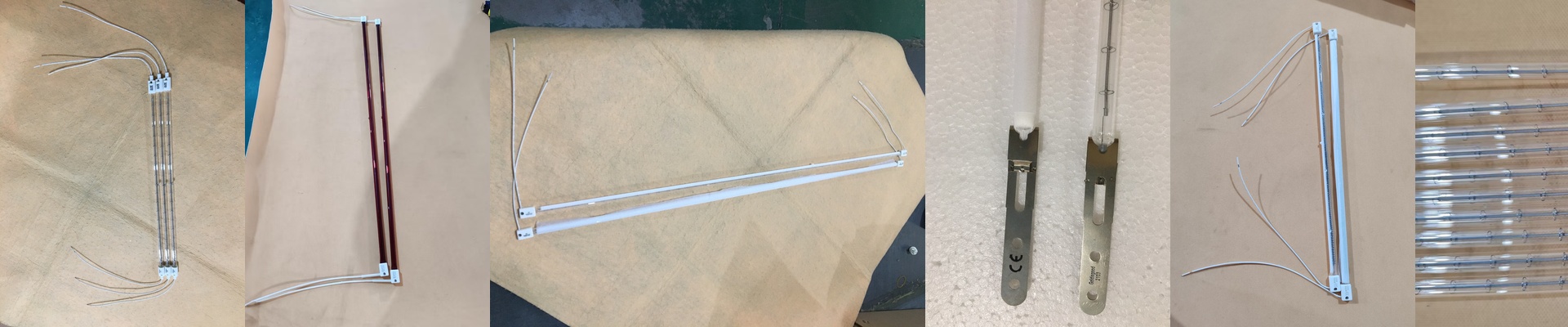
When it comes to heating fabric, cranking up the power isn’t the answer. It’s more about the “fit.” If you blast a fabric with high wattage but the wavelength doesn’t match what the dye actually absorbs, you’re just burning through electricity and probably scorching your material. We build our IR lamps to hit the exact molecular vibrations of the dyes and fibers you’re actually using. It’s about precision, not brute force.
How the Absorption Actually Works
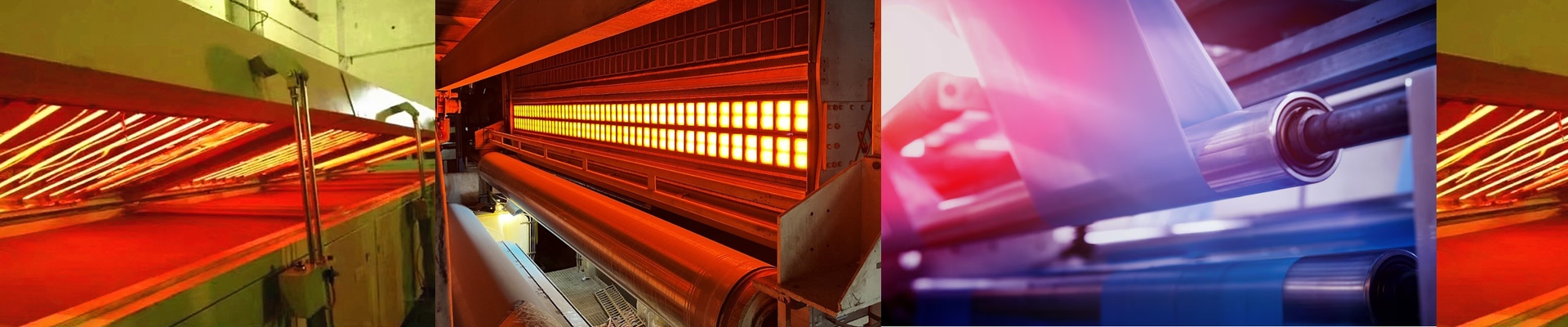
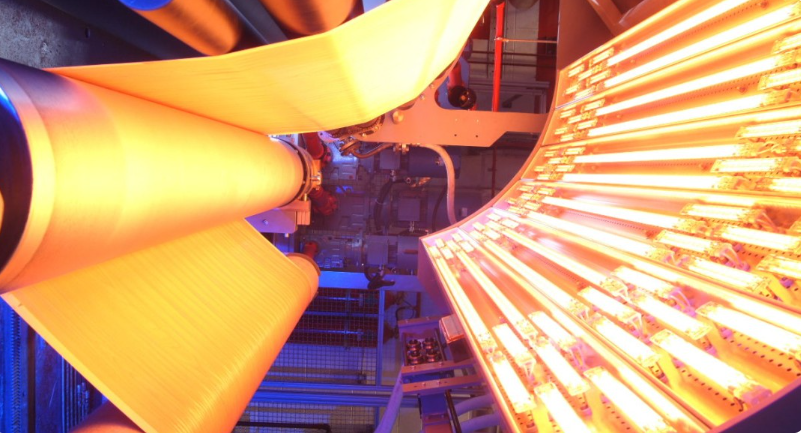
Every dye and fabric blend—think of those tricky poly-cotton mixes—takes in energy differently. For a lot of organic dyes and water, medium-wave IR (MWIR) is the sweet spot. When the lamp’s output lines up with the dye’s absorption curve, the energy goes straight into the fiber. The color locks in faster. The best part? You aren’t baking the entire piece of fabric just to get the dye to stay put.
Dialing in the Heat
We design these lamps with high heat density so they don’t take up your entire shop floor. By focusing the energy into one specific band, you can cut down the time the fabric spends in the drying tunnel. That means you can speed up your line.Way speed up. One thing to keep an eye on: your voltage. These lamps pull a lot of current to keep the filament at the right temperature. If your power dips, the wavelength shifts. Suddenly, your fixation rate drops and you’re back to square one.
The Trade-offs (The Real Talk)
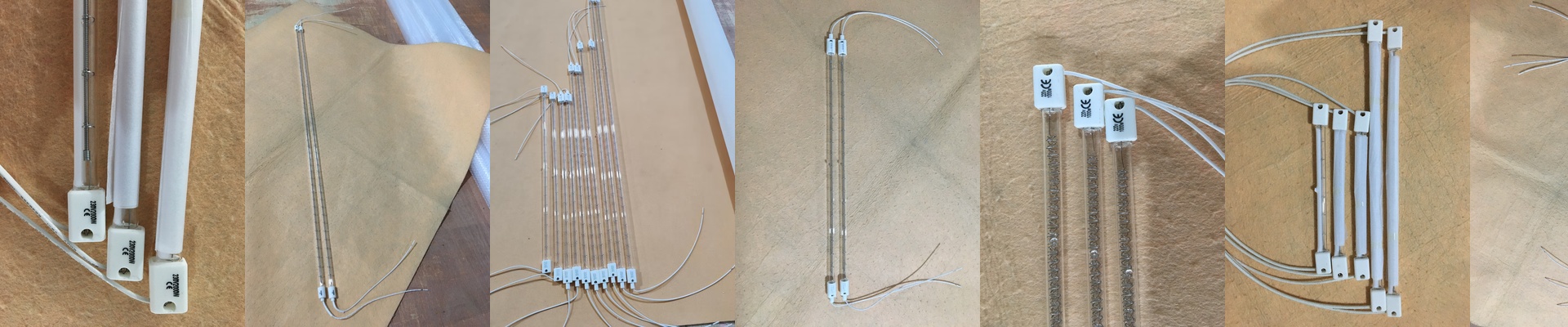
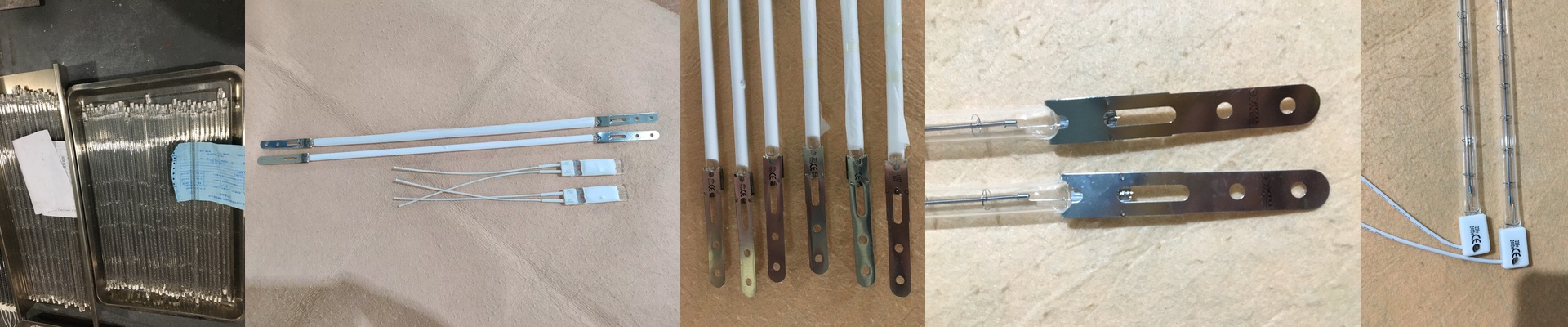
Matching the wavelength makes things efficient, but it puts a lot of stress on the lamp housing. Because the energy is so concentrated, things get hot. Fast. You’ve got to make sure your reflectors are polished and your cooling blowers are actually up to the task. If the housing overheats, you’ll fry your connectors or kill the filament early. And for heaven’s sake, use high-temp leads. Nobody wants to deal with melted insulation in the middle of a shift.