
How to actually make your coating line lamps last
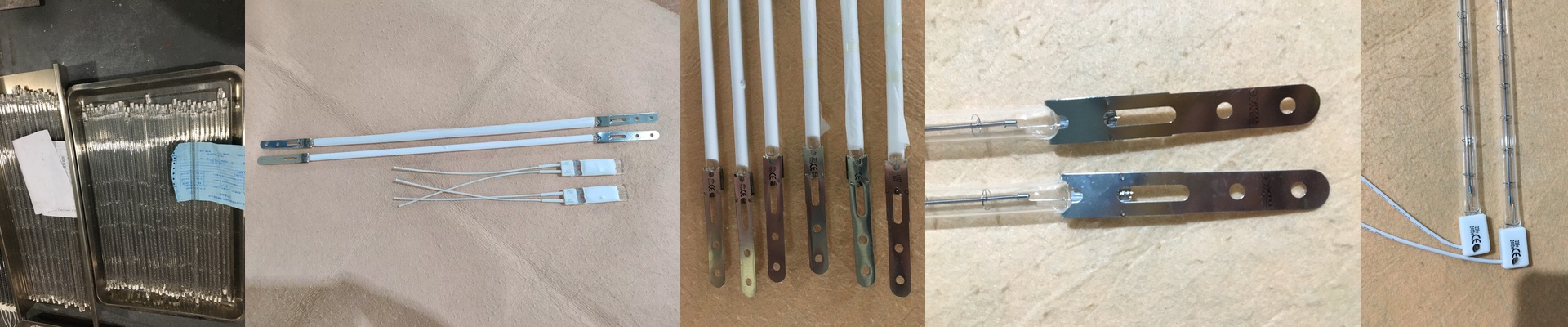
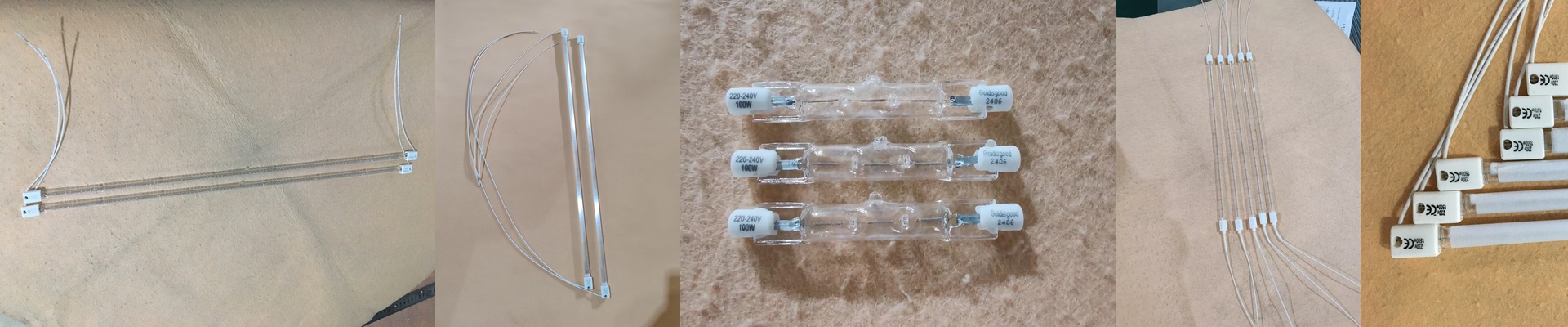
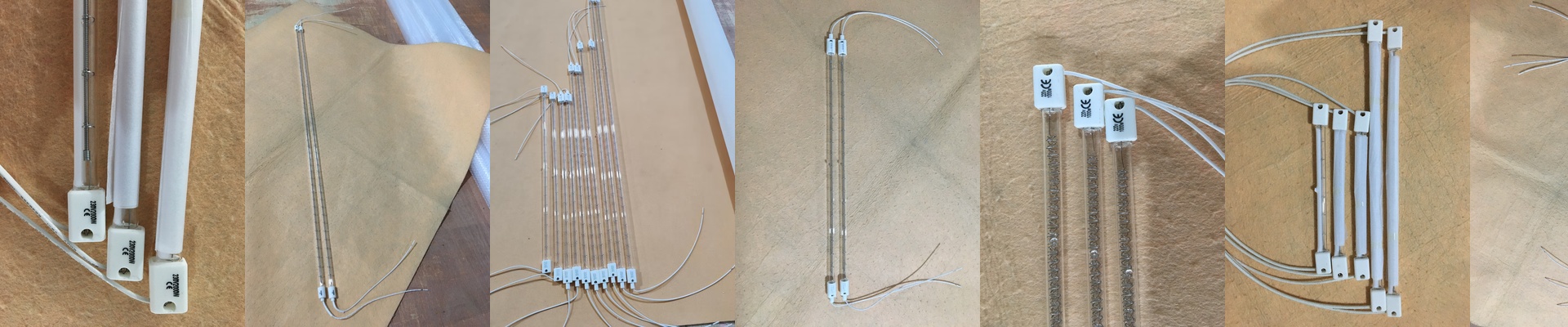
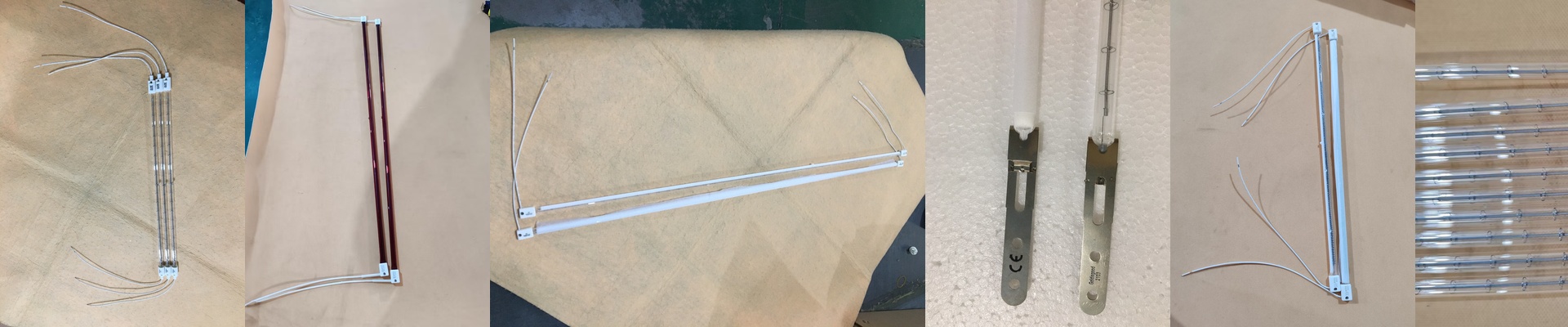
When you’re running industrial coating and curing lines, the heat is brutal. Most bulbs just can’t take it. That’s why we build our halogen lamps differently. We use high-purity quartz glass and a specific halogen cycle. Basically, it stops the tungsten filament from evaporating and gunking up the inside of the tube. The result? Your light stays steady, and you aren’t replacing bulbs every other week. Let’s talk power. First things first: check your voltage. If you plug a 230V lamp into a 400V circuit, it’s gone. Poof. Instant burnout. We design these for high wattage-per-centimeter because we know you need your parts to hit curing temperature fast. Speed is everything for throughput. But here’s the catch—that kind of heat puts a lot of stress on the ends of the lamp. **Pro tip:**Keep your reflectors spotless. If they’re dirty, the heat bounces right back into the bulb and can literally melt the seal. The “secret sauce” coatings A lot of our long-life tubes come with a special coating. It’s not just for show. It shifts the light spectrum so the paint or powder you’re using actually absorbs the energy instead of letting it waste away into the air. As for the fit, we use R7s or Sk15 bases. They just slide right into most standard industrial housings. No fuss, no fancy adapters, and—most importantly—no electrical arcing when the current hits. Managing your stock without going crazy Nobody wants a warehouse full of every single wattage and length imaginable. It’s a waste of money. That’s why we set up our pricing to help distributors keep things lean. You don’t need to hoard every single SKU. Just keep a small amount of the basics and pull the specific specs from us whenever you need them. It stops bulbs from sitting on a shelf for years and losing their edge. One last thing. Please, tell your technicians:don’t touch the quartz with bare hands. The oils from your skin create tiny hot spots on the glass. When the lamp heats up for the first time, those spots can cause the glass to crack. It’s a small mistake that ruins a perfectly good lamp.