
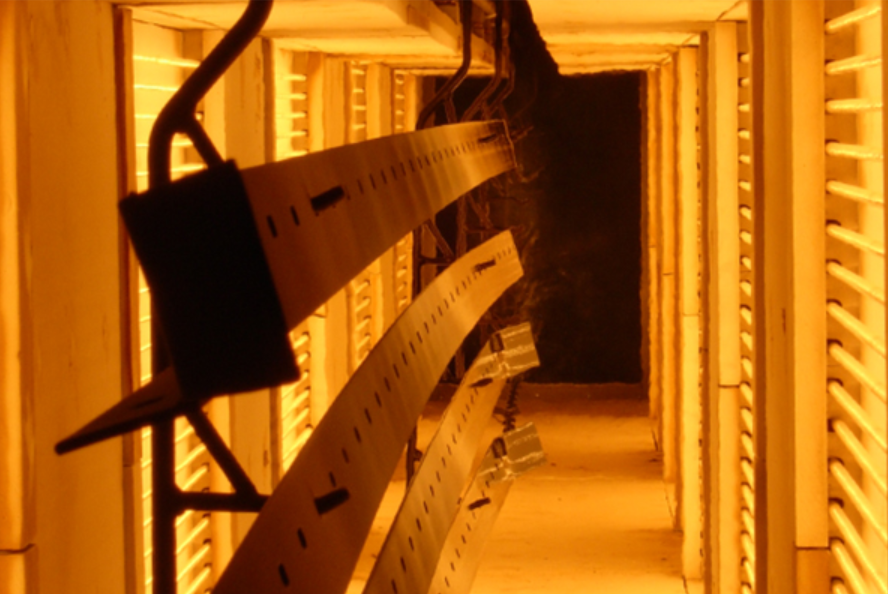
Stop Throwing Money Out the Window: A Real Look at Oven Insulation
Ever feel like you’re replacing heater lamps way too often? Or maybe your curing cycles just aren’t hitting the mark, and you can’t figure out why. Here’s the thing: most shops ignore the temperature of the oven shell. They don’t realize that when heat leaks out, it isn’t just a higher electric bill. It’s a direct hit to your productivity. You’re losing time, money, and your sanity.
Why your heaters are dying
Most ovens use mineral wool or ceramic fiber. Sounds fine, right? But over time, that stuff settles. It degrades. Suddenly, you’ve got cold spots in your oven. When that happens, your heating elements have to work overtime—basically running at 100% just to keep up with the set point. It’s like trying to heat a house with the front door wide open. Eventually, the lamps just give up. If you’re dealing with high-temp zones, try switching to high-density rock wool or microporous silica boards. They actually keep the heat where it belongs: inside the chamber and away from your expensive electrical parts.
The “Thermal Shock” Trap
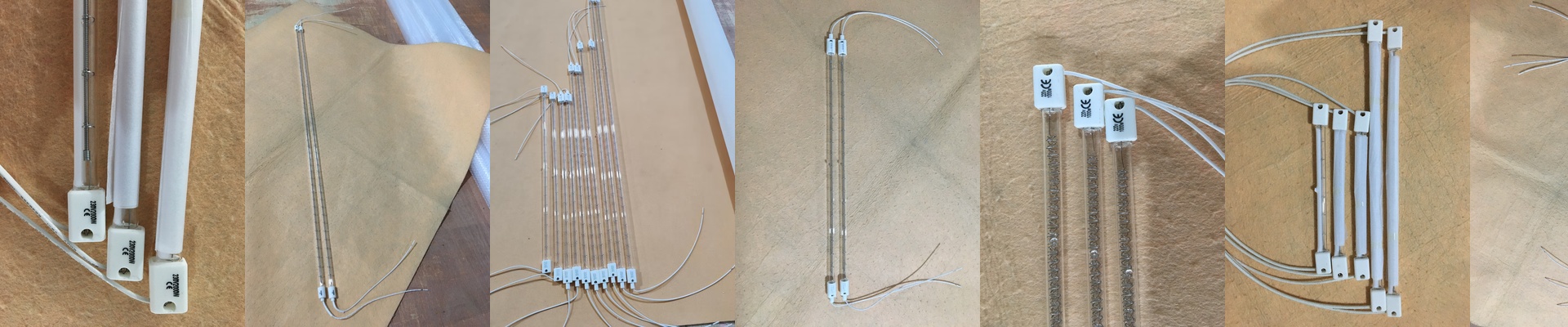
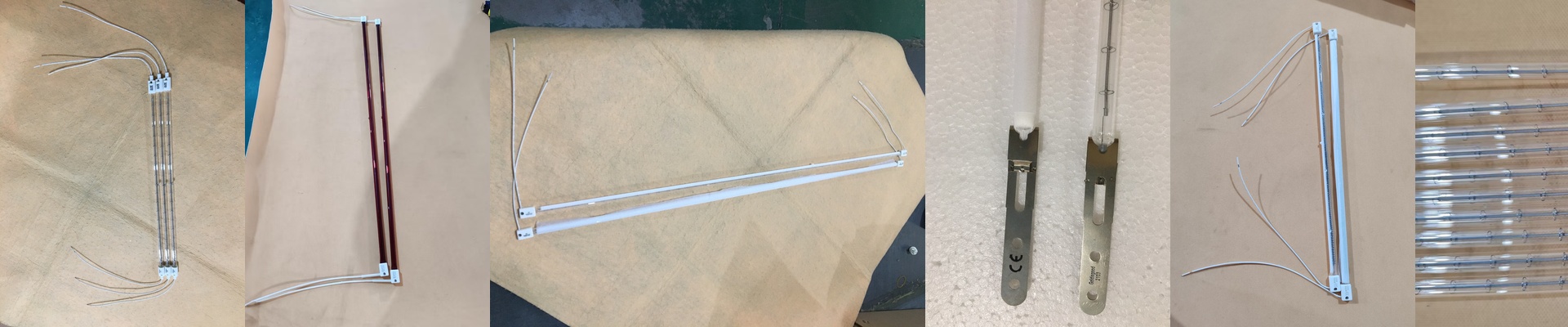
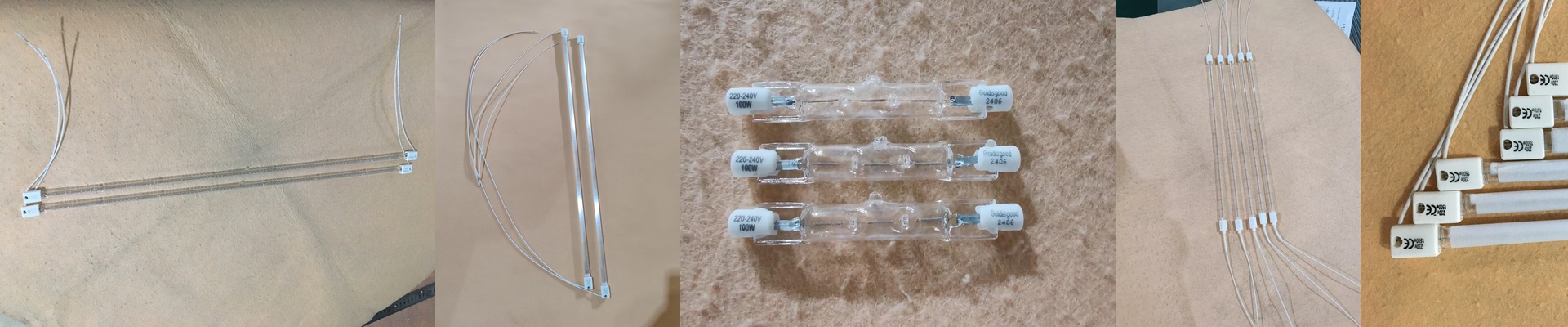
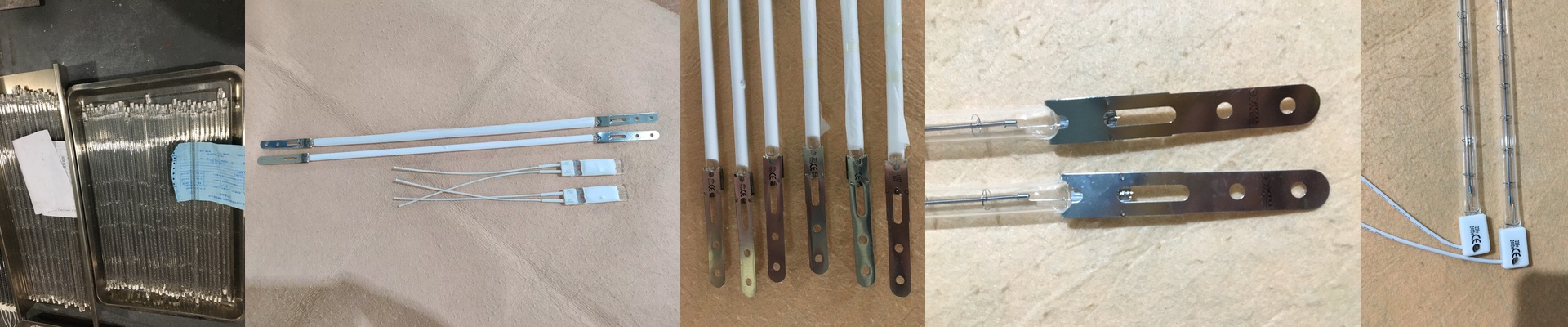
When your insulation is actually doing its job, the oven hits temperature faster. You stop that frustrating cycle of “over-firing” just to get the heat up. This is huge if you’re using shortwave infrared lamps. Those quartz tubes are sensitive. If the ambient temperature is swinging wildly because of poor insulation, the tubes expand and contract too fast. Snap. That’s the sound of a premature failure. A stable environment means your lamps actually last.
Space vs. Savings
Now, I get it. Adding thicker insulation means the oven takes up more room on your shop floor. It’s a trade-off. But think about this: if you can drop the outer shell temperature from 60°C down to 30°C, your energy bills will drop noticeably. Plus, you stop the endless cycle of replacing burnt-out elements. Just a heads-up—once you plug those heat leaks, double-check your ventilation. You’ll want to make sure your system can handle the internal heat load now that it’s actually staying inside. Fix the leak, and you fix the downtime. It’s as simple as that.