Fixing the “Cold Spot” Nightmare in Aluminum Coating
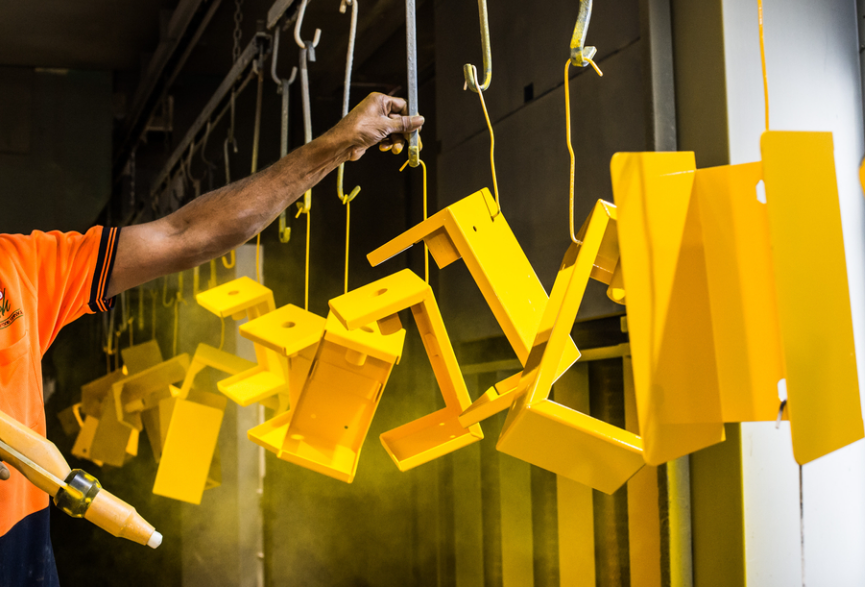
We recently spent some time at a big aluminum plant that was having a rough go of it. For six months, their powder coating line was a mess. They kept getting these “cold spots” on their profiles—basically patches that didn’t cure properly. It’s a nightmare for any shop. You spend all that time and money on a batch, only to have to toss it in the scrap bin because the finish is inconsistent. The weird part? The oven temperature looked fine on the gauges. But the heat wasn’t actually getting where it needed to go.
The trick to getting a perfect cure
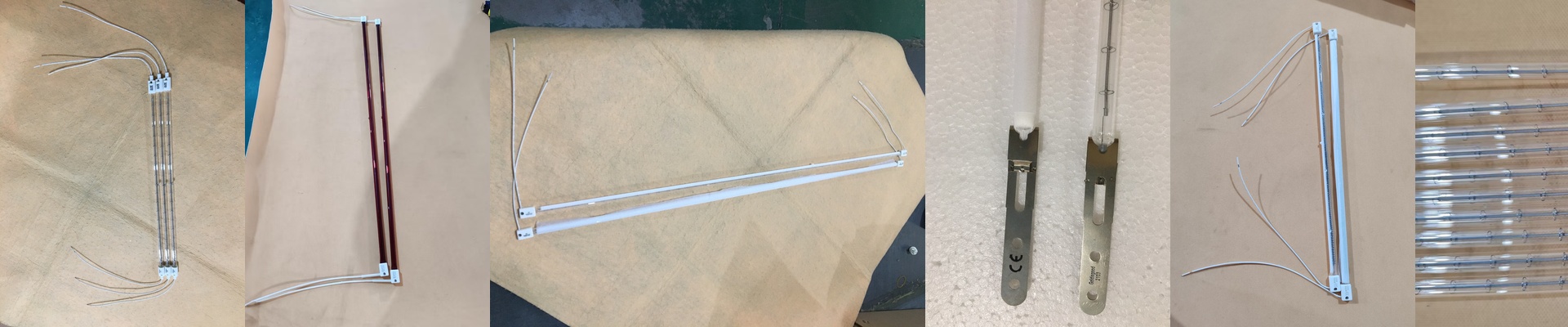
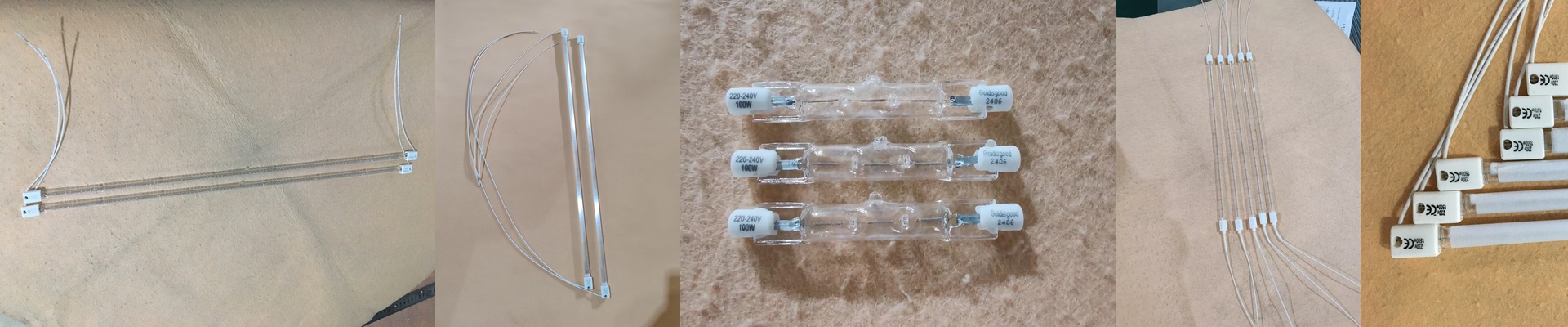
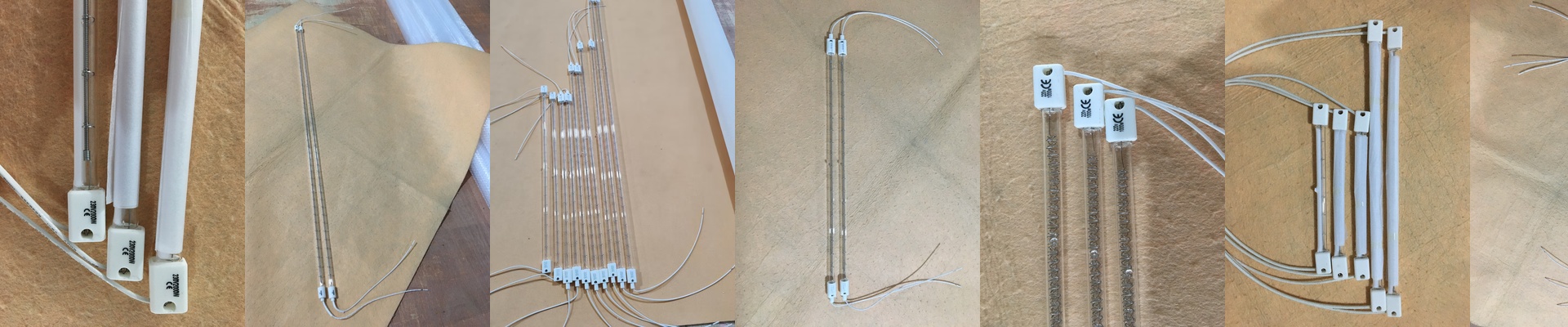
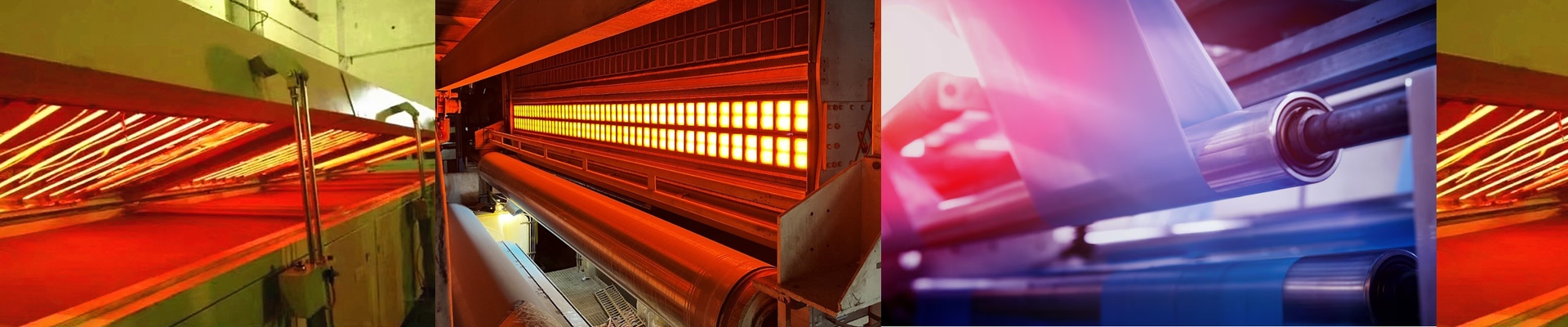
The plant was using standard heating elements, but they just didn’t have the punch to get through the powder layer quickly. We swapped those out for professional shortwave IR curing lamps. Here’s why that matters: shortwave radiation hits the surface and turns into heat almost instantly. It stops that annoying “skinning” effect, where the outside looks done but the base is still raw and under-baked. We didn’t just throw them in, either. We mapped out the lamps to fit the exact width of their conveyor. By tweaking the wattage for every meter, we made sure the heat stayed steady across the whole profile. No more guessing games.
The gear we used
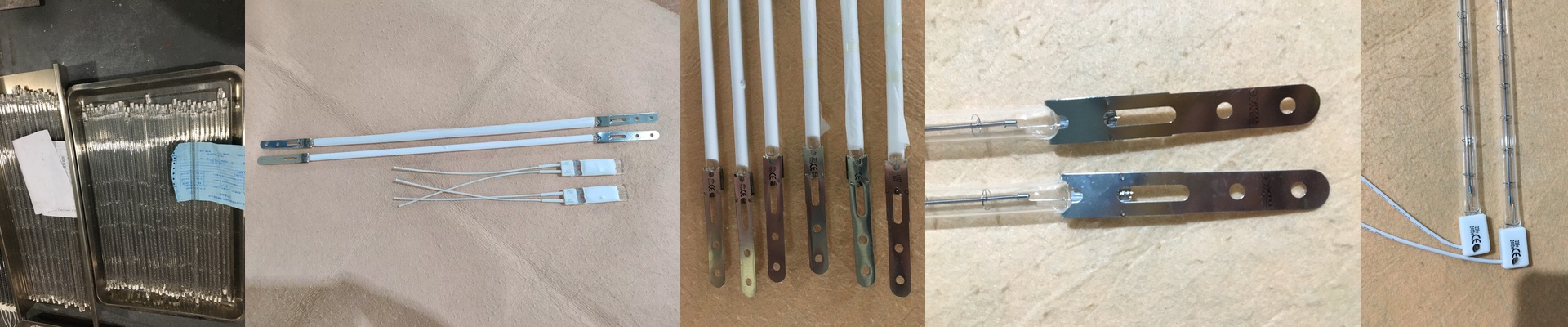
We went with quartz-halogen tubes. These are built for the grind of industrial cycles. They use a tungsten filament in a halogen cycle, which is just a fancy way of saying the filament doesn’t wear thin over time. That keeps the heat stable and the color consistent. Since we’re dealing with massive amounts of heat, we used heavy-duty connectors. You don’t want your wiring melting while the line is running. The best part? These were drop-in replacements. We didn’t have to rip apart the oven or rebuild the structure.
A few warnings (the trade-offs)
Now, these high-density IR lamps pack a punch, but they’re hungry for power. You can’t just plug these into any old circuit and hope for the best. We had to double-check the plant’s voltage stability first. If your voltage spikes, these tubes will pop. Simple as that. Once we got the power sorted, the struggle ended. The finishes are smooth, the cure is uniform, and the line is finally moving at a steady clip without the constant fear of rejected parts.