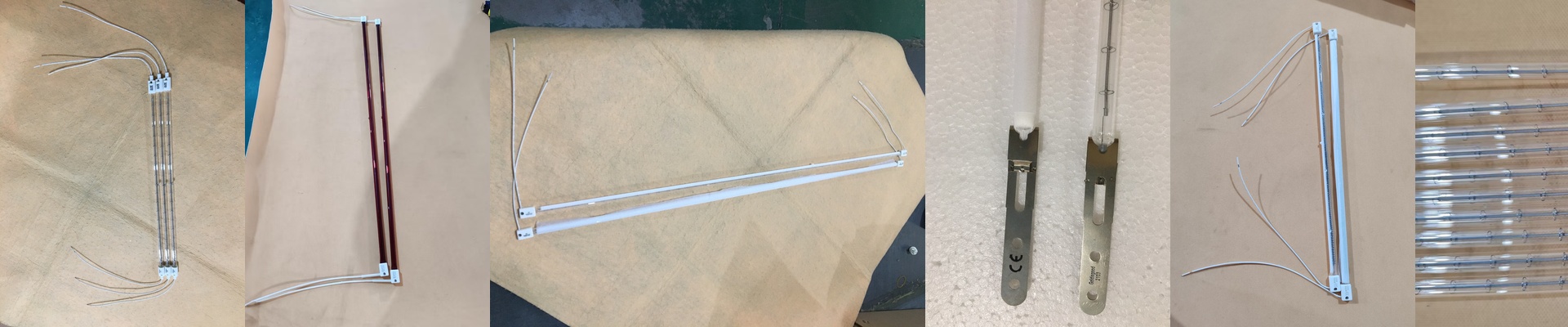
Stop Just Buying Lamps. Start Engineering Your Cure.
Most suppliers will just toss a tube in a box, throw in a datasheet, and call it a day. But that’s not how we see it. To us, a heating element isn’t just a part you swap out. It’s the heartbeat of your entire process. It’s what actually decides if your parts look professional or if you’re wasting a fortune on electricity.
Let’s talk heat density
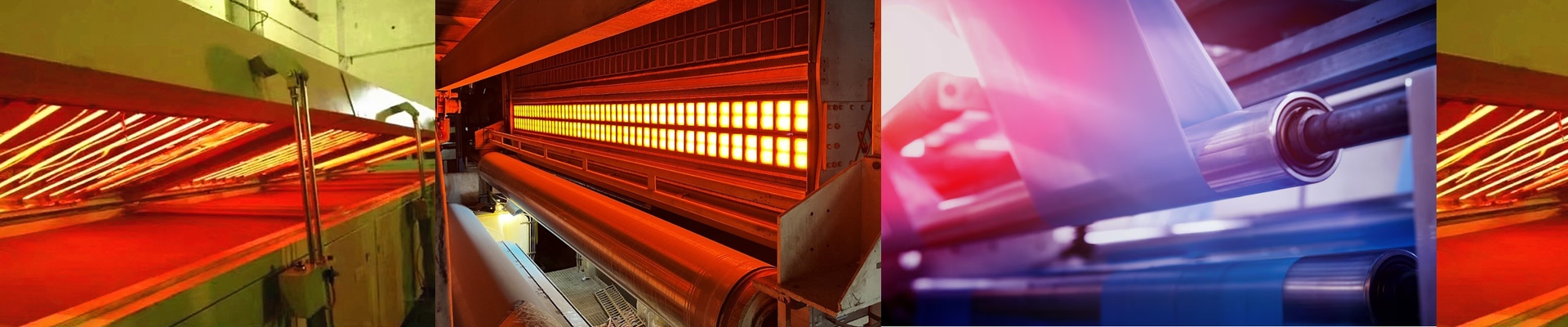
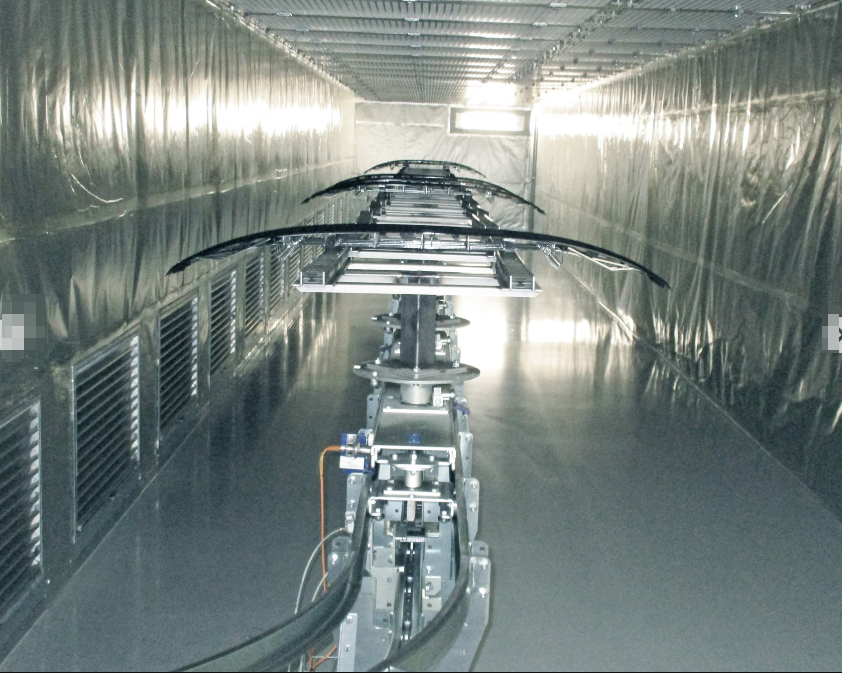
When we’re figuring out which heater fits your line, we’re looking at the math between voltage, wattage, and the actual space you have to work with. High-wattage shortwave lamps are beasts. They hit the powder layer hard and fast, which means you can either speed up your conveyor or use a shorter oven. It’s a huge win for your turnaround time. But there’s a catch. If you get too aggressive or the lamp is too close to the part, you’ll end up with scorched edges or a patchy finish. It’s a delicate balance. We help you nail that gap so you aren’t throwing ruined parts in the scrap bin.
The nuts and bolts (literally)
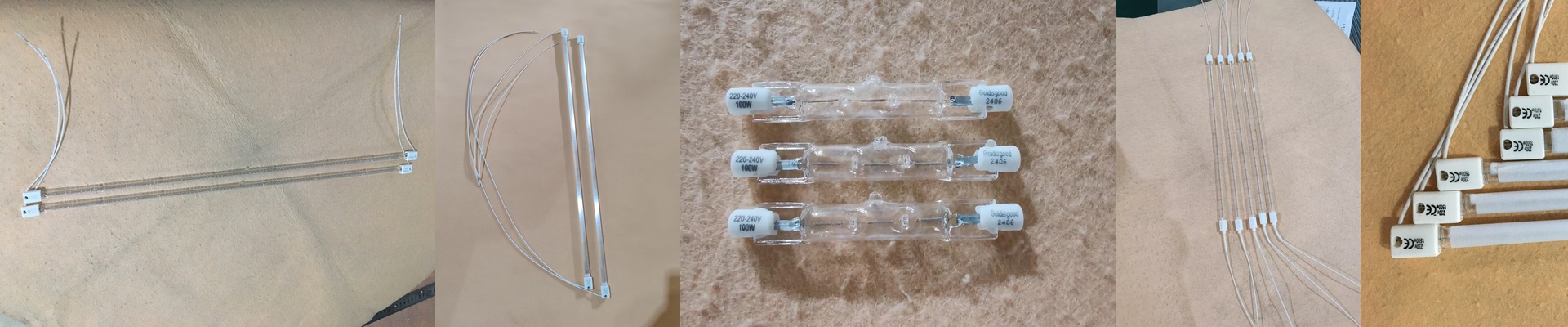
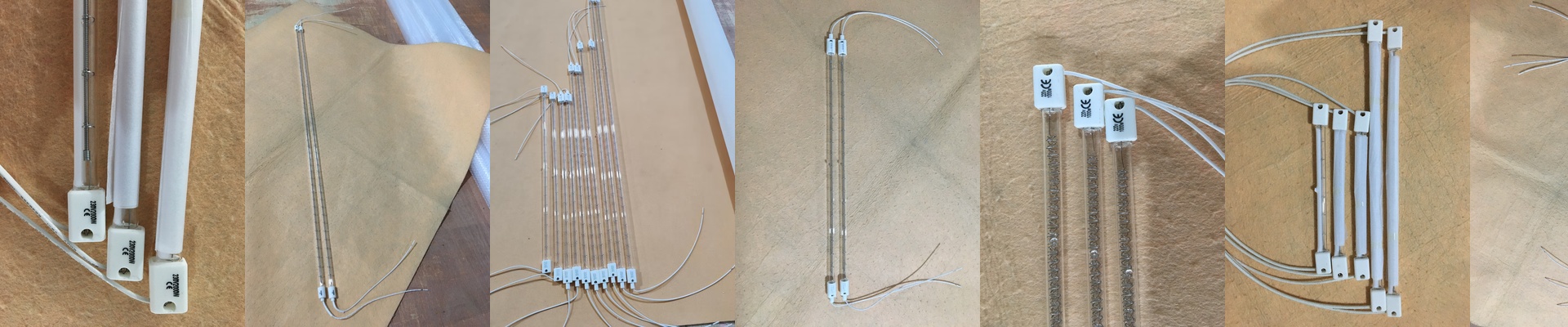
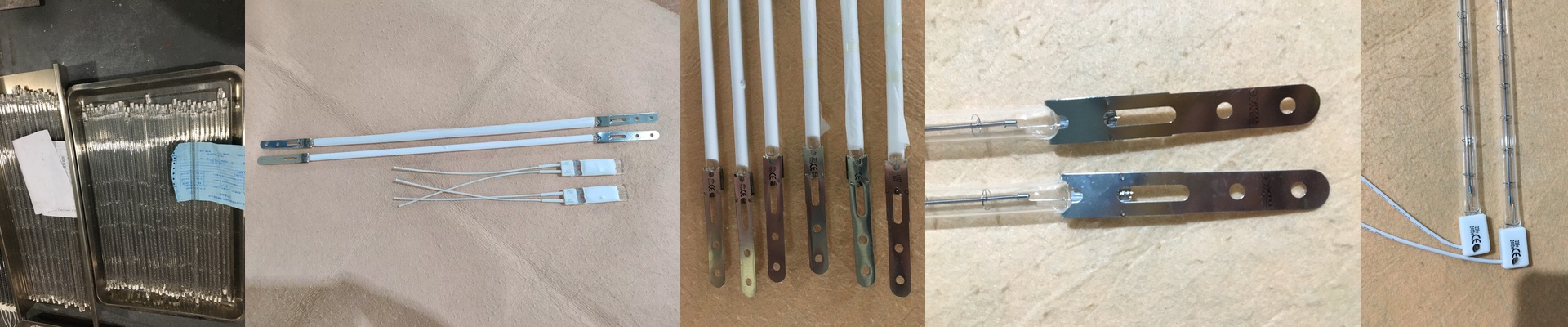
Industrial shops are brutal on equipment. That’s why we stick with quartz and halogen—stuff that can actually take a beating. Then there’s the connectivity. Whether you’re using an R7s or an SK15, the fit has to be perfect. Why? Because your conveyor vibrates. A loose connection leads to arcing, and arcing fries your socket. Simple as that. We obsess over the tolerances so you don’t have to deal with a dead line on a Tuesday morning.
Fixing the actual problem
Here’s the thing: if your parts are coming out with “orange peel” or cold spots, the lamp usually isn’t the culprit. It’s almost always about where the lamp is sitting or how the power is cycling. Instead of just selling you a replacement, we look at the whole thermal gradient. We’ll help you tweak the layout and make sure your power supply isn’t stressing the filaments. It keeps the gear living longer and, more importantly, keeps your line moving.