Why we insist on 99.99% high-purity quartz for textile heaters
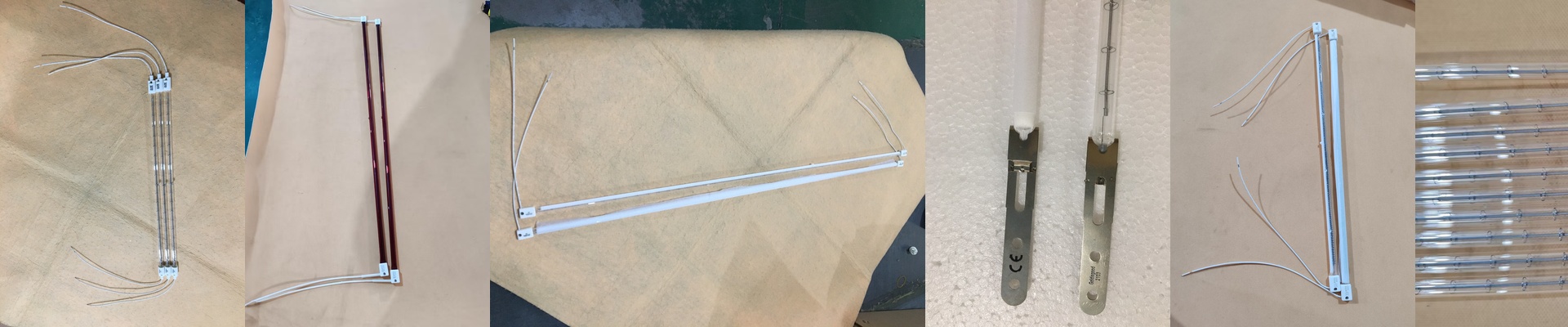
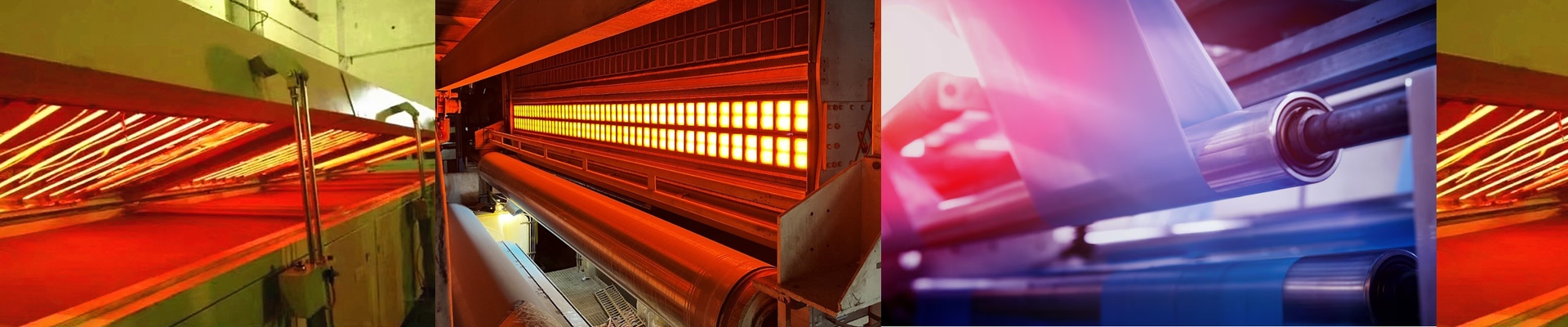
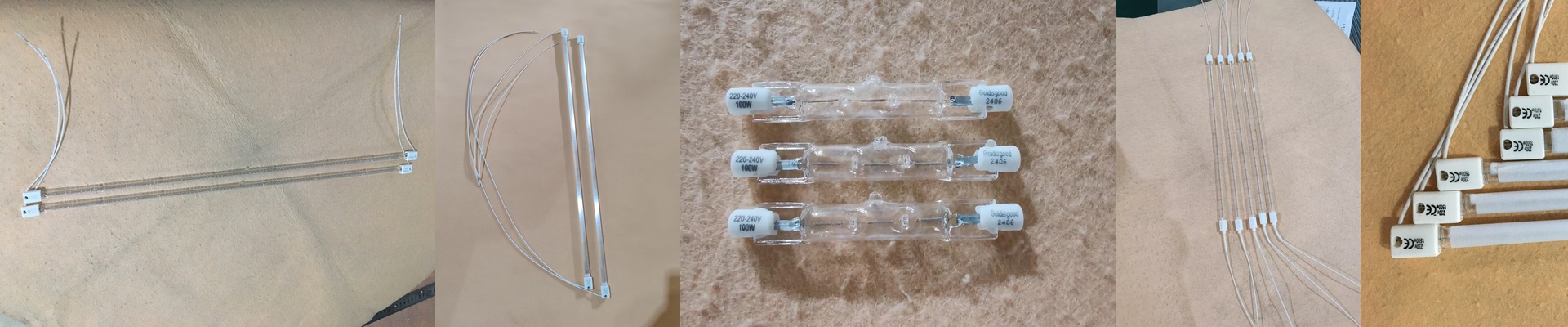
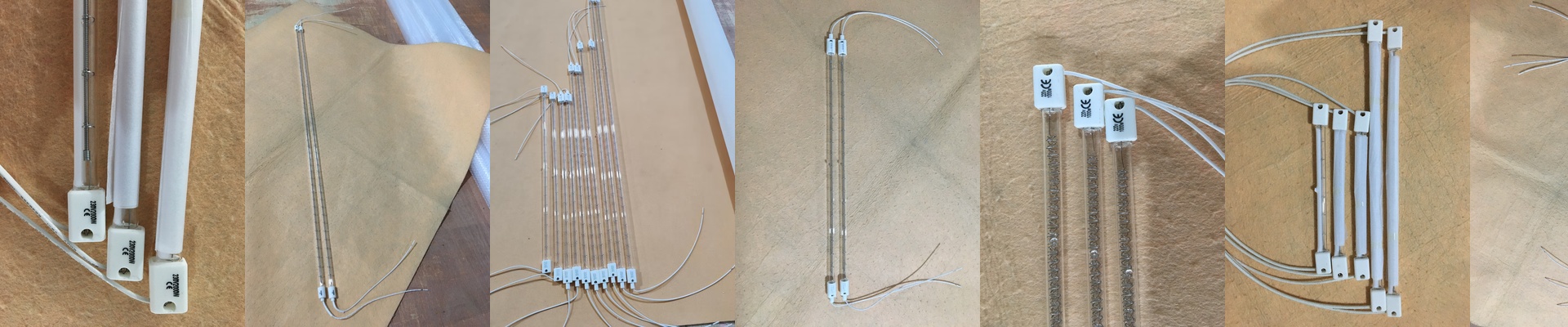
When you’re curing or drying textiles, it’s easy to think of the quartz bulb as just a glass shell holding a filament. But it’s actually doing a much bigger job. It’s acting as a filter. Here’s the problem: most standard quartz tubes have tiny bits of aluminum or iron hiding in them. You can’t see them, but they’re there. Those impurities act like a sponge, soaking up the infrared radiation and trapping the heat inside the glass. Instead of that heat hitting your fabric, it just stays in the bulb. That’s why we use 99.99% high-purity synthetic quartz. It clears the bottleneck. Getting the heat where it belongs At this level of purity, the glass is basically invisible to short-wave infrared. When you use this material, more photons actually make it to the fabric. Less energy is wasted heating up the bulb itself. Because the glass isn’t “clouding” or fighting the energy, the tube stays cooler while your workpiece gets hit with a much stronger flux of heat. It’s just more efficient. Handling the heat stress Purity isn’t just about light, though. It’s about survival. In a textile line, bulbs are constantly cycling on and off. They face brutal temperature swings. High-purity quartz handles this stress way better because it doesn’t expand and contract as violently as the cheap stuff. We’ve seen lower-grade quartz develop these tiny micro-fractures over time. Once that happens, it’s only a matter of time before the bulb burns out completely. The real cost of “budget” quartz Look, the higher purity costs more. There’s no way around the fact that the chemical refining process is expensive. But you have to look at the bigger picture. If you go with a budget bulb, you’ll probably find yourself cranking up the wattage just to get your drying speeds back to where they need to be. That puts a lot of unnecessary strain on your power supply. Worse, it increases the risk of scorching your material. If your process needs tight temperature control and you’re pushing for high throughput, the 99.99% purity is the only way to go. It saves you money on energy and saves you the headache of ruined fabric.