
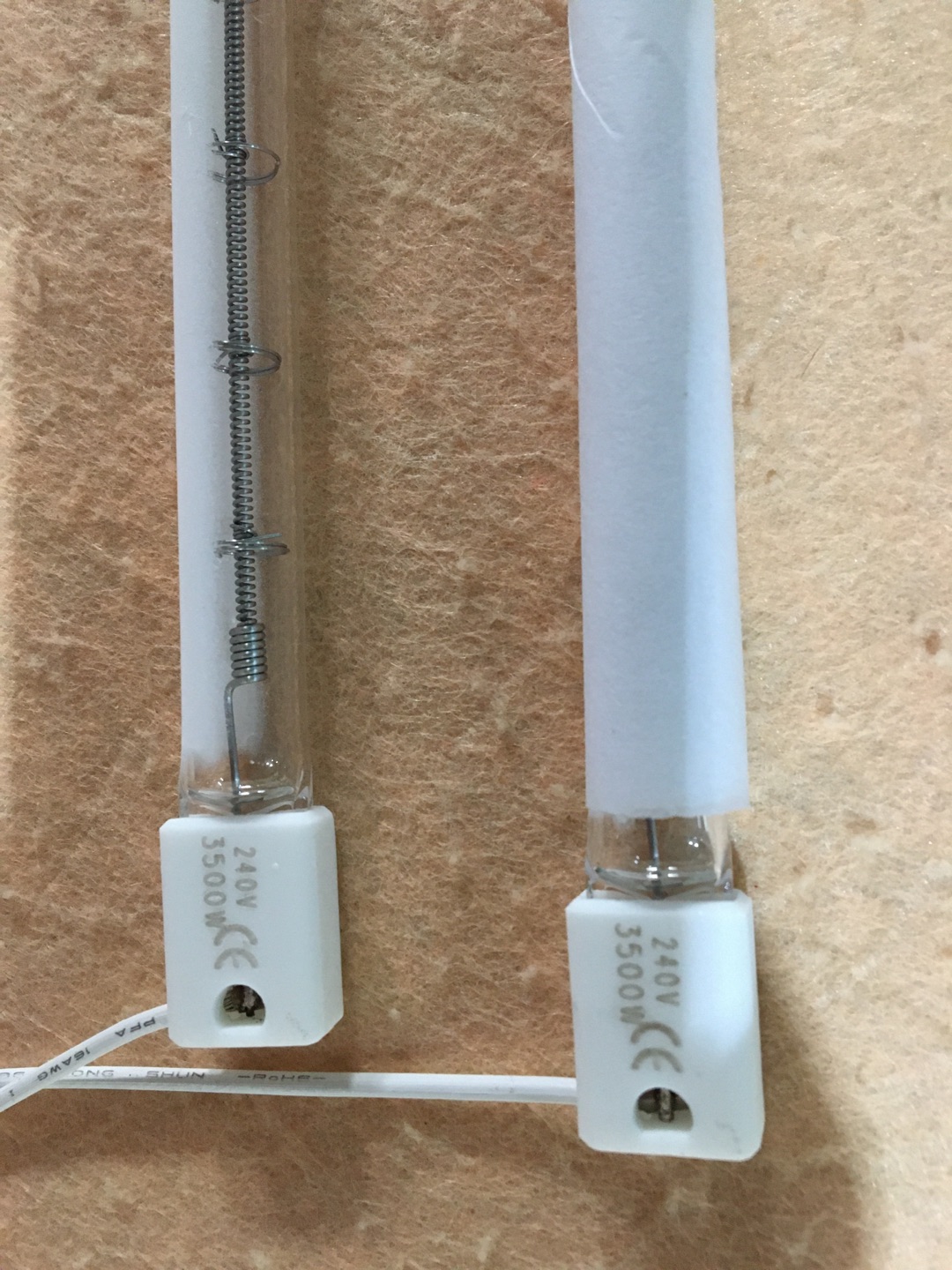
Getting the Most Out of Your SK15 Halogen Lamps
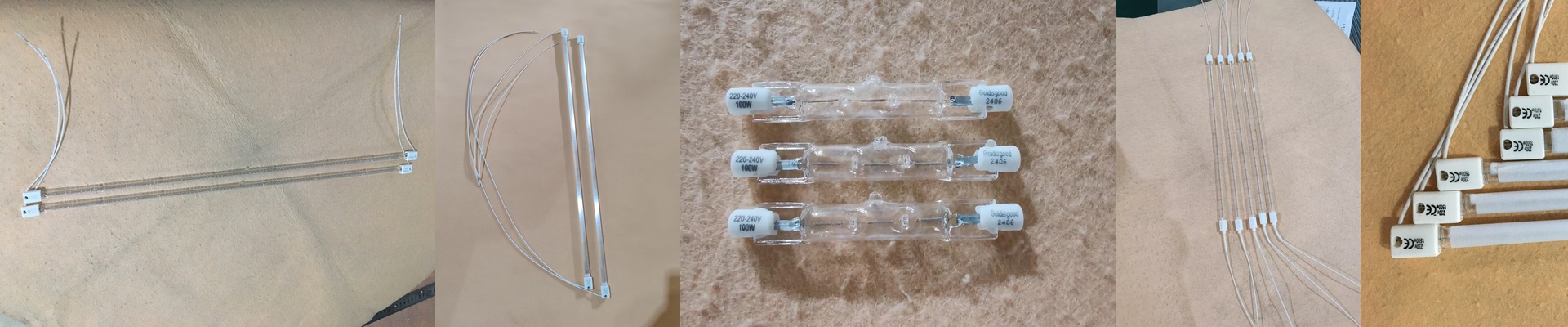
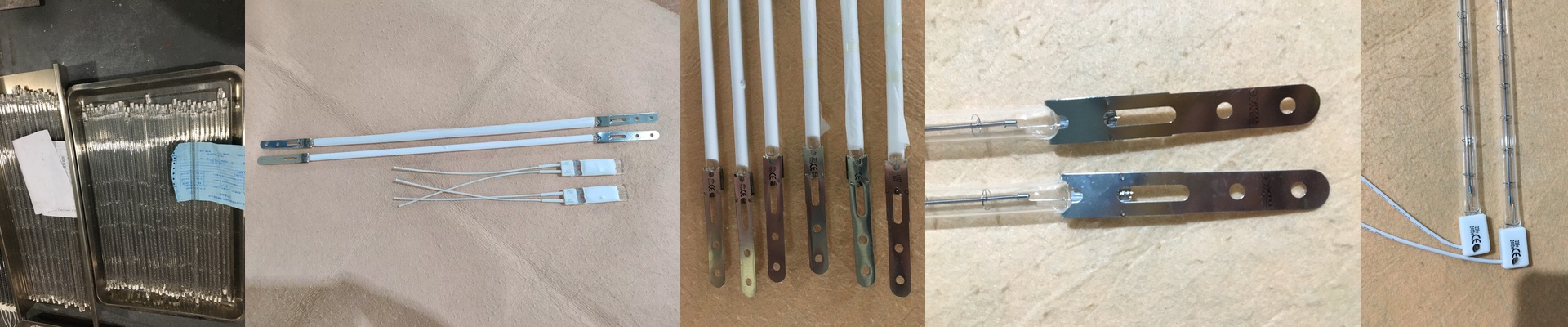
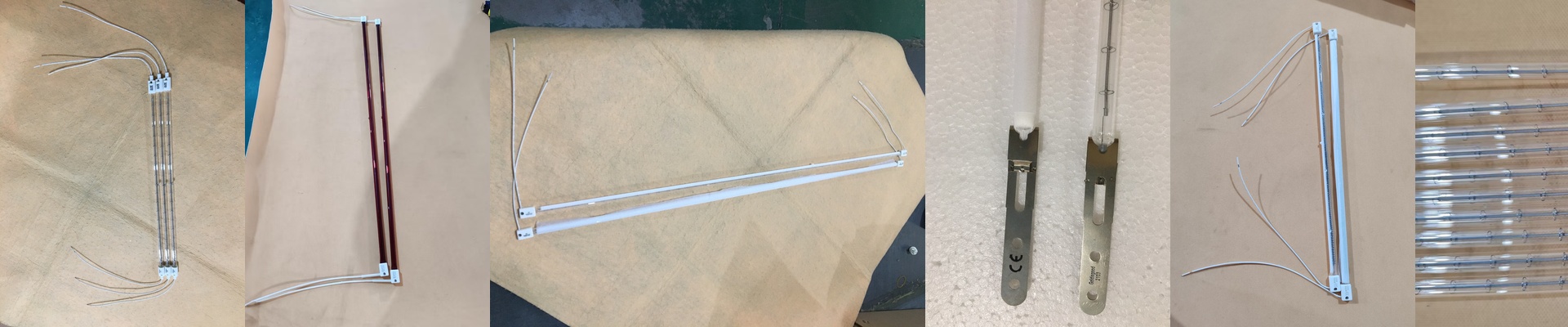
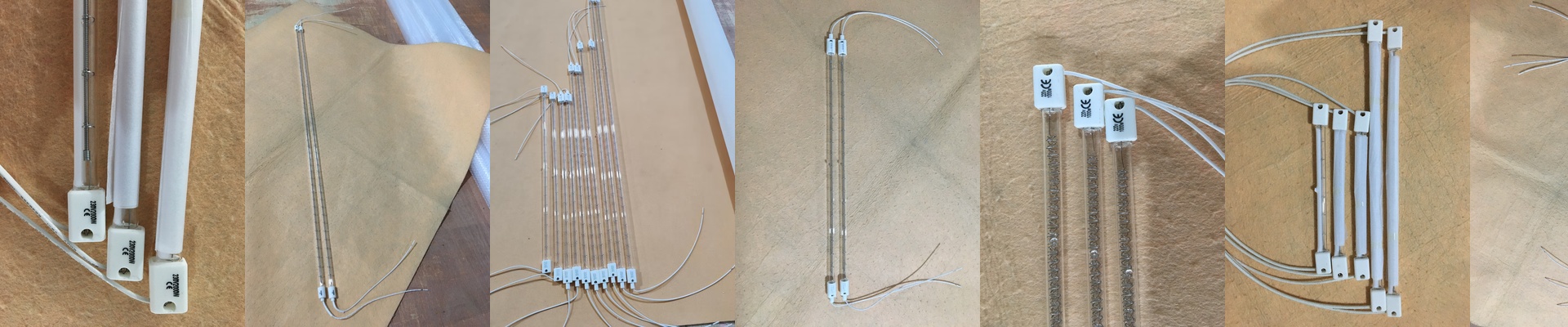
If you’re dealing with industrial curing or heavy-duty heating, you know that heat isn’t just about “turning it on.” It’s about precision. That’s where the SK15 lamps come in. Basically, these things are built to pump out high-intensity infrared heat. We use a tungsten filament tucked inside a quartz envelope and fill it with a specific halogen gas mix. Why? Because it stops the filament from evaporating, which lets the lamp run way hotter than your average lightbulb. It pushes more energy into that shortwave infrared spectrum, which is exactly what you need to get the job done. Let’s talk power and voltage. This is where people usually trip up. We build these lamps to fit your specific machine, but you have to get the wattage and voltage right. Take a 400V setup, for example. High voltage is your friend when you have a longer tube because it keeps the current from dropping off. It keeps the heat steady from one end to the other. If you try to use a low-voltage lamp in a long tube, you’ll end up with “cold spots” at the edges. Not a great look. Just make sure your lamp matches your transformer’s capacity. If they don’t play nice, you’re going to burn out that filament way faster than you should. The build quality The SK15 connector is a simple push-in or spring-loaded design. It stays put. Even if your machine is vibrating like crazy, the electrical contact stays secure. We use high-purity quartz for the glass because it can handle the thermal shock. You can heat it up and cool it down repeatedly without the whole thing cracking. Some of our lamps even have a special coating. It makes the heat penetrate deeper into your materials, even if the lamp doesn’t look quite as bright. Making it work in your shop These are designed as drop-in replacements for PET blowing or plastic welding lines. They pack a ton of heat into a tiny space. But here’s the catch: that kind of intensity is demanding. You’ve got to keep your reflectors clean and your cooling fans humming. If dust builds up or a fan dies, the quartz envelope will overheat and pop. Just wire them up according to your voltage specs, and you’ll see them hit that operating temperature almost instantly.