A No-Nonsense Guide to Replacing Your Halogen Heater Bulbs
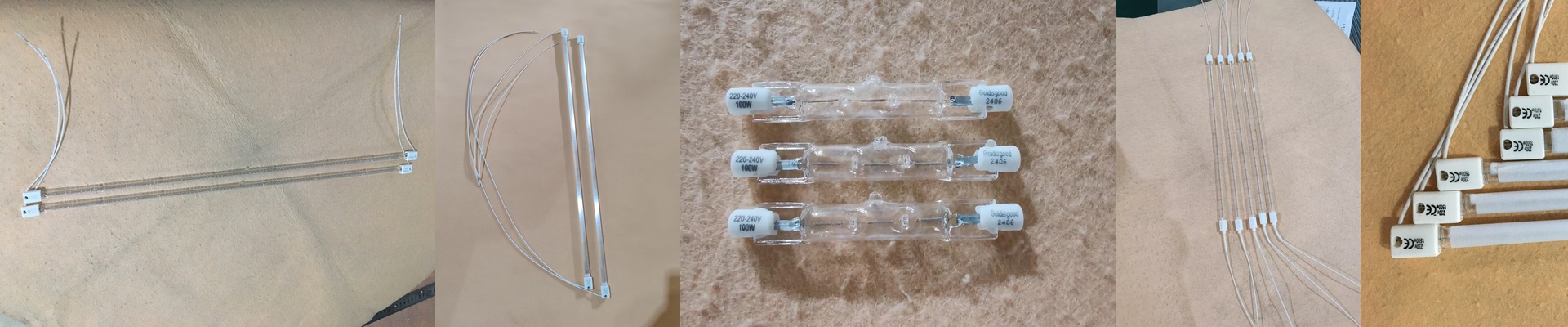
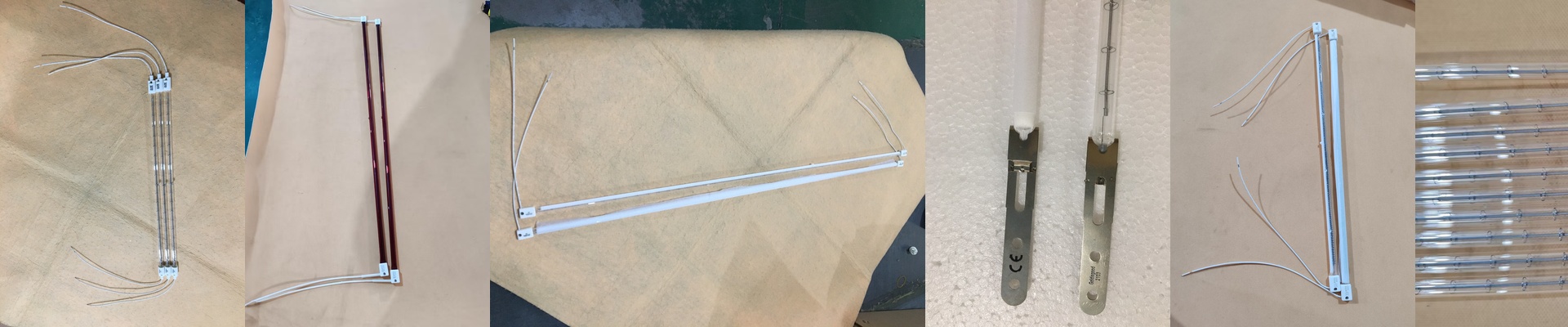
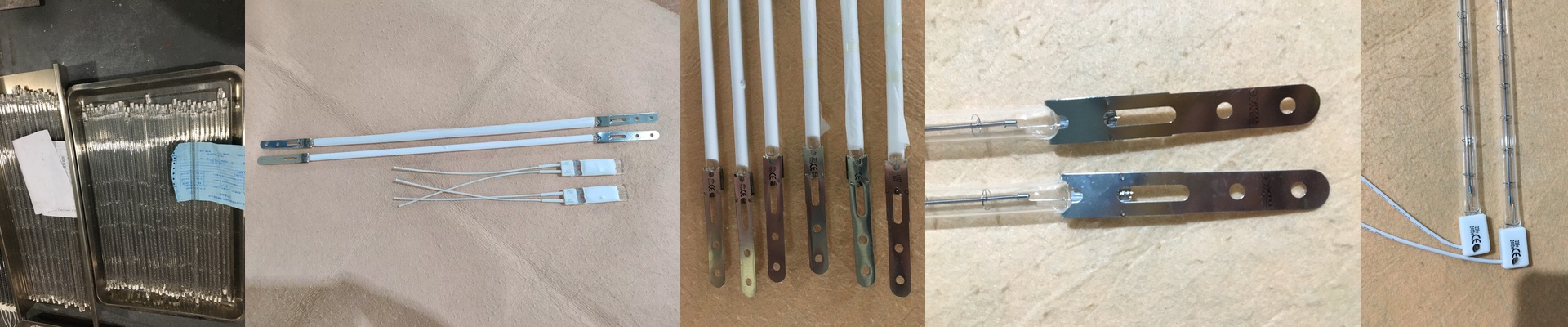
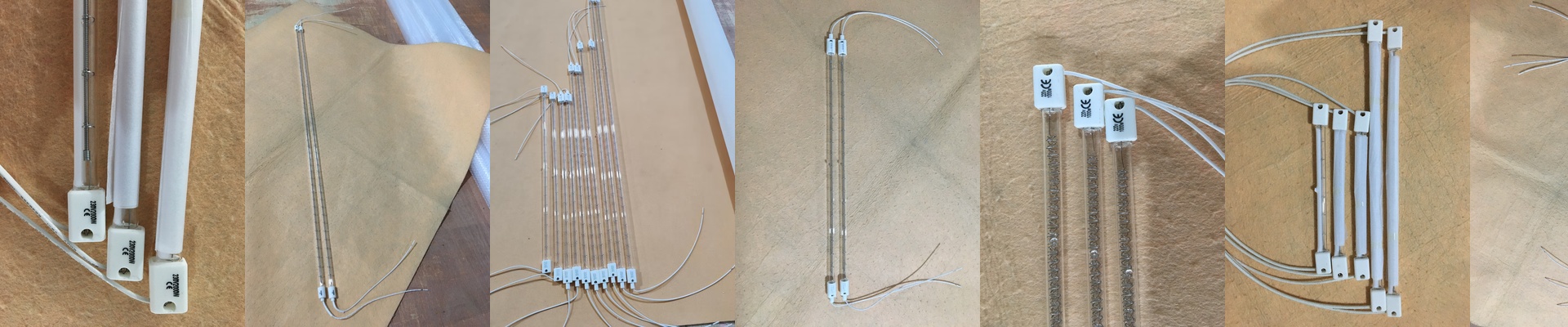
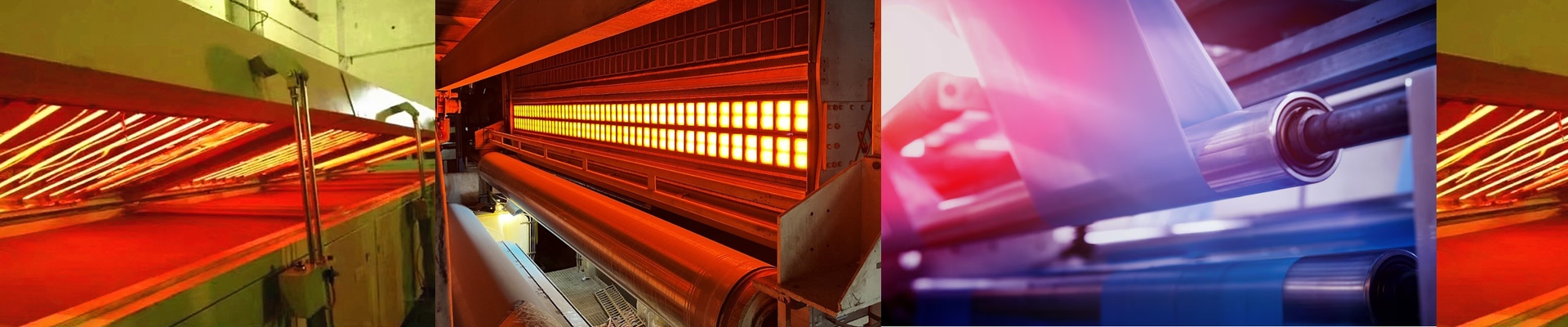
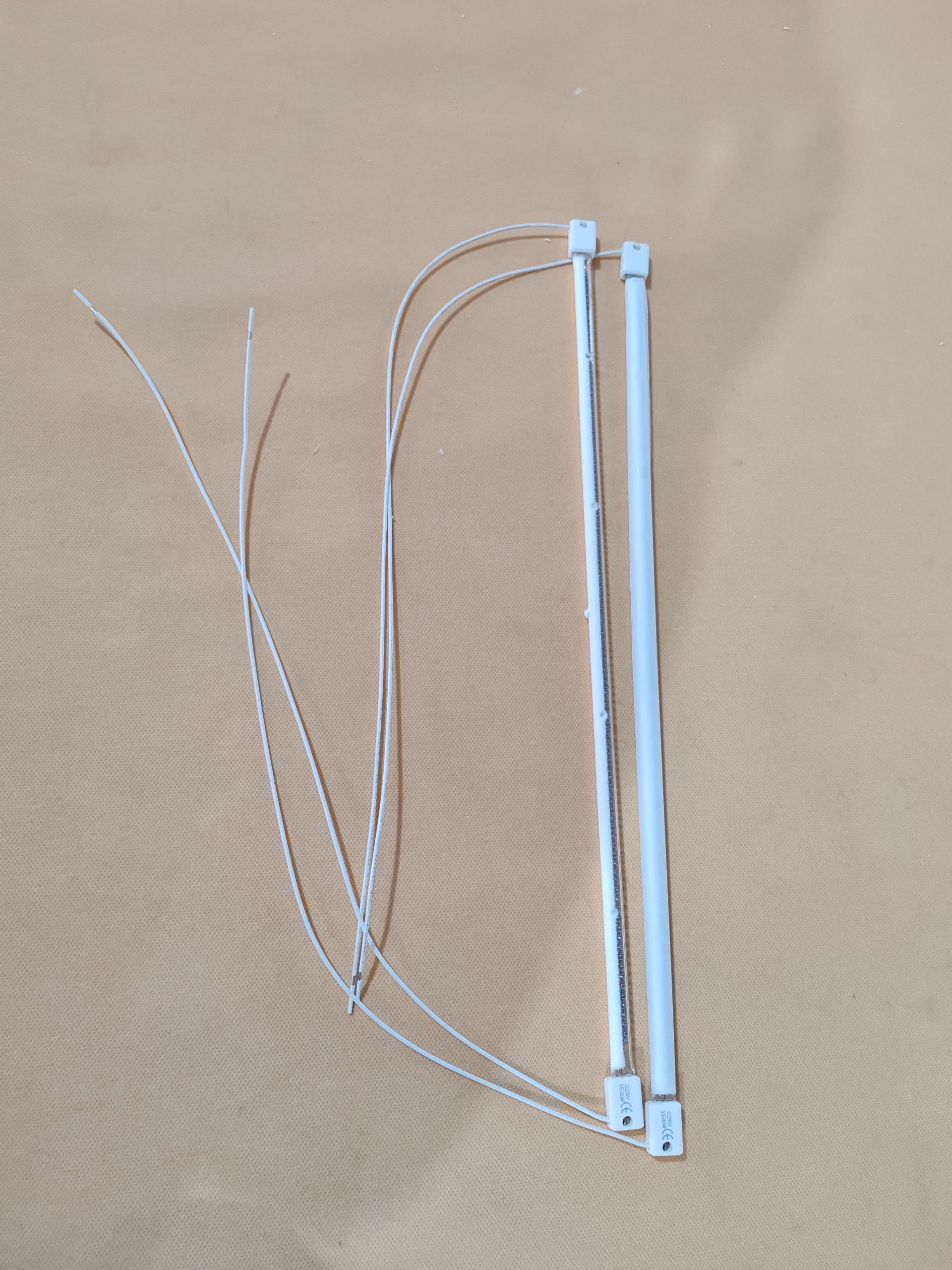
Look, when you’re buying wholesale bulbs for an industrial heating array, you’re not just shopping for a light bulb. You’re basically managing a heat explosion in a controlled space. We build these halogen tubes to take a beating from high thermal loads so they don’t just burn out the second you flip the switch. Let’s talk power and voltage. Here’s the thing: wattage and voltage have a very specific relationship. If you try to push a high-wattage tube through a standard voltage line, you’re going to draw too many amps. Then? Pop. Your breakers trip. We make sure our tubes match exactly what your machine’s transformer is putting out. If you’re on a 400V system, stick with a 400V bulb. If you get this wrong, the bulb will either be lukewarm or it’ll blow the moment you wire it up. Not a great way to start the shift. The gear and the fit We use high-purity quartz glass because, frankly, the internal temperatures of a halogen cycle are brutal. Most of our replacements use R7s or SK15 connectors. They’re the industry standard for a reason—they lock in tight. You don’t want your bulbs wiggling loose while the machine is vibrating. Plus, some of our options come with a special coating to shift the infrared spectrum. It’s a neat trick that lets you hit your materials with heat without melting the rest of your chassis. Making it all work together These are designed to be drop-in replacements. You swap them out, and you’re back in business. Simple. But wait—there’s a catch if you’re looking to “upgrade.” If you put in a higher wattage bulb to speed things up, your cooling fans and heat sinks have to keep up. If they can’t handle that extra ambient heat, your quartz envelope is going to die a lot faster. Just keep your contacts clean and make sure the seating is tight. It keeps the arcing at the base from ruining your day.