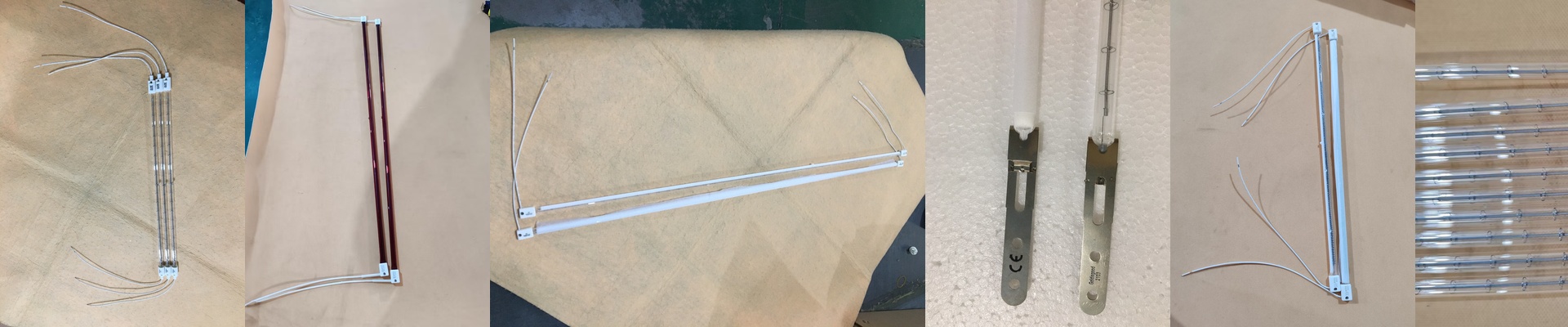
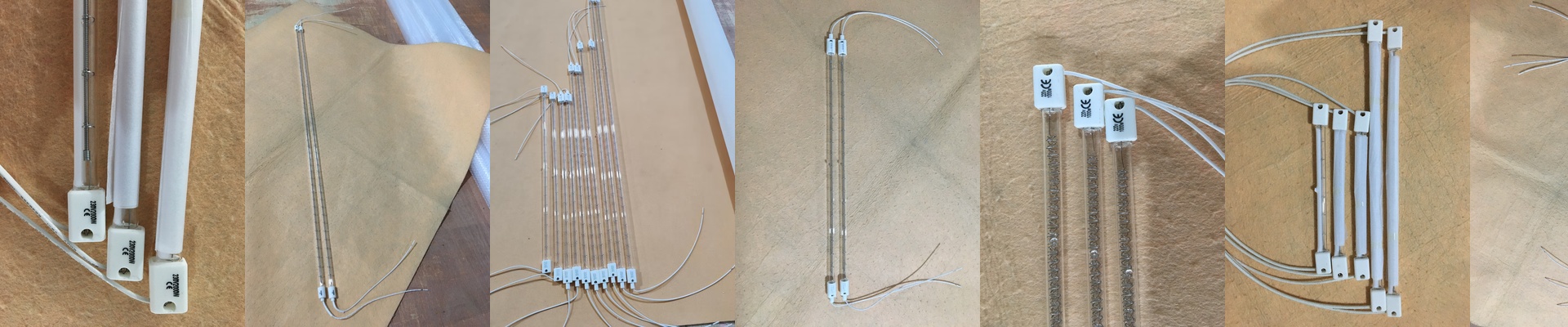
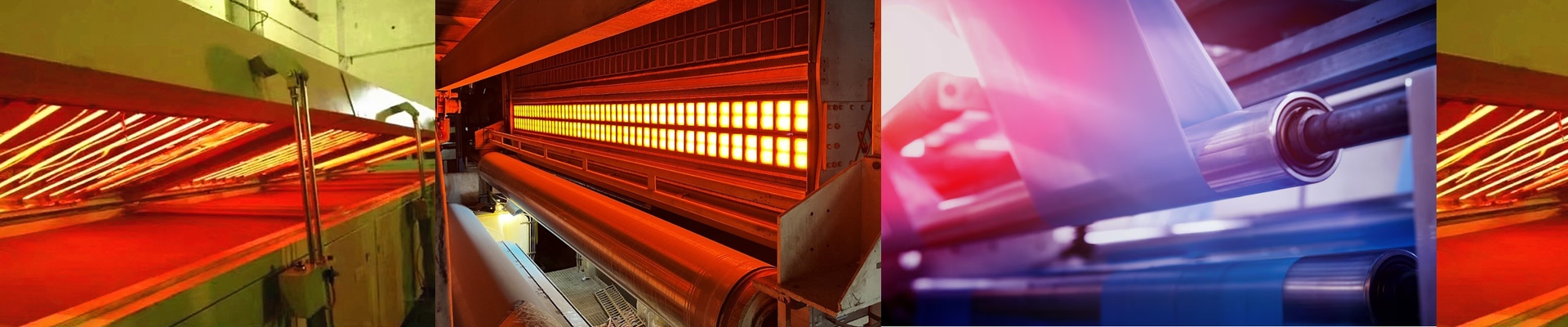
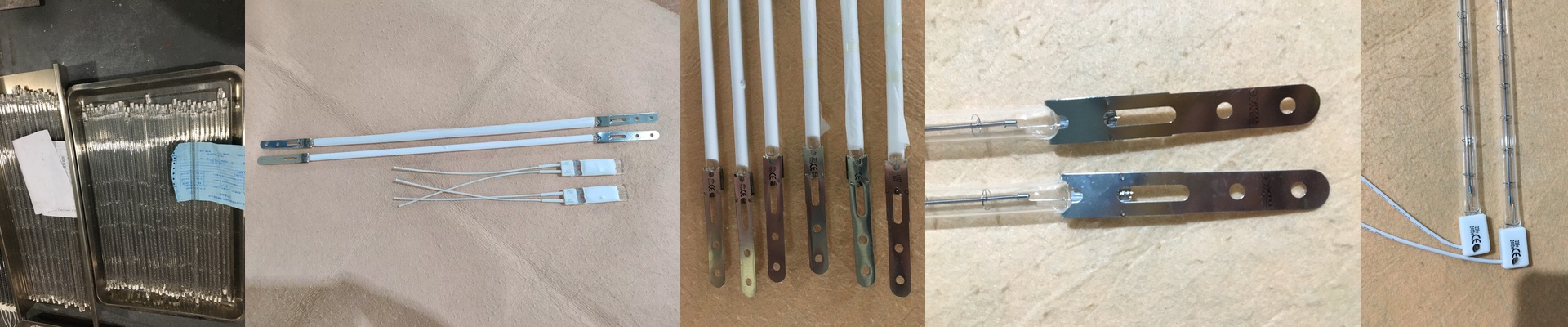
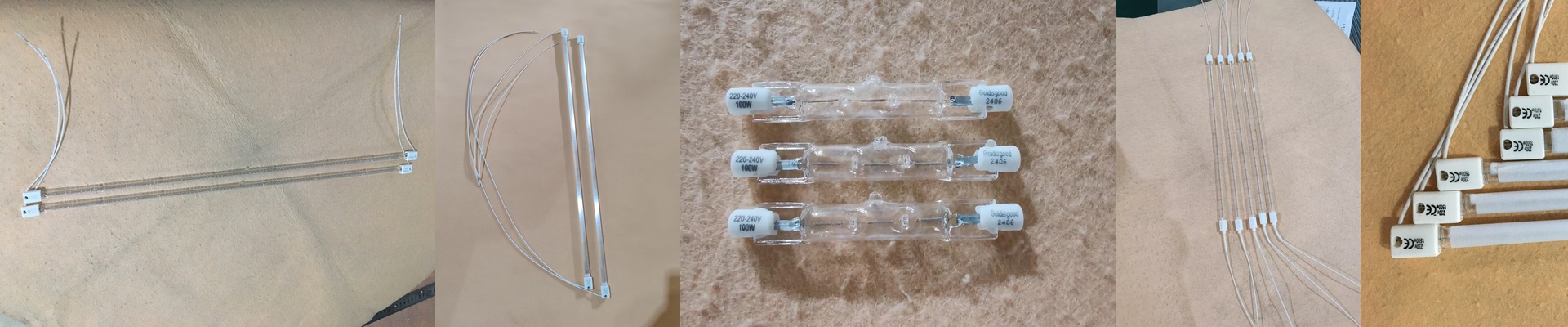
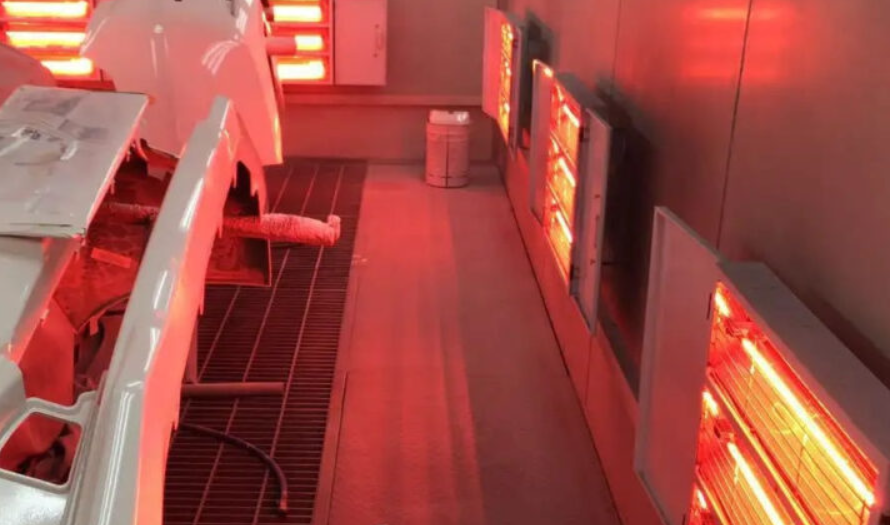
A buddy of mine runs a big aluminum extrusion plant, and for about six months, he was losing sleep over his powder finishing line. It was a mess. Some parts of the profiles were coming out over-baked and discolored, while other spots weren’t cured enough. The powder just wouldn’t stick. He was staring at a mountain of scrap and didn’t know why. Here’s the thing: he was using standard convection ovens. They rely on hot air, but air is lazy. It creates these “dead zones,” especially when you’re dealing with complex shapes. The heat just can’t get into the deep recesses. When we checked the numbers, we found a 15°C temperature swing across a single piece of metal. That’s a huge gap. So, we ditched the air and brought in a Shortwave Infrared (SWIR) system. Instead of trying to push hot air around, IR radiation goes straight through the powder and hits the aluminum itself. It basically turns the metal into its own heat source. It’s a completely different beast. We didn’t just throw some lamps in there and hope for the best. We used high-density quartz lamps and carefully balanced the wattage so the heat stayed consistent across the whole width of the conveyor. We also split the tunnel into four separate zones. This meant we could tweak the power for the front and back edges of the profiles individually. Plus, these lamps are fast. Like, really fast. They hit full temp in seconds, so you can stop wasting an hour every morning just waiting for a massive oven to warm up. But it wasn’t a total plug-and-play situation. You can’t just slide high-intensity IR lamps into an old oven without a plan. The heat density is massive. If your ventilation isn’t up to the task, you’ll end up melting your conveyor belts or warping the oven housing. We had to beef up the reflective shielding to bounce that energy back onto the parts and keep the rest of the machine cool. Once we got that dialed in, the cold spots vanished. Every profile came out uniform. No more guessing, no more discoloration, and definitely no more scrap.