Stop Wasting Money Heating Air: A Better Way to Cure Powder
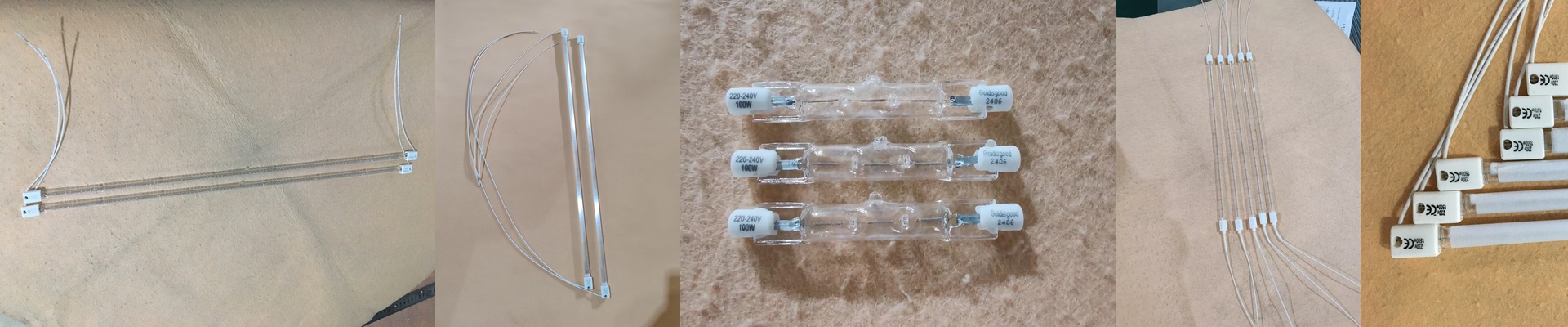
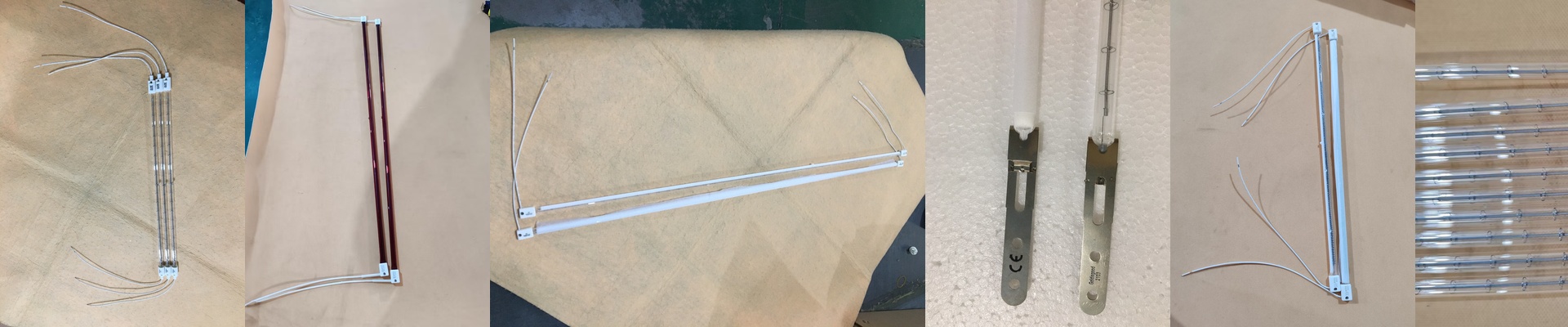
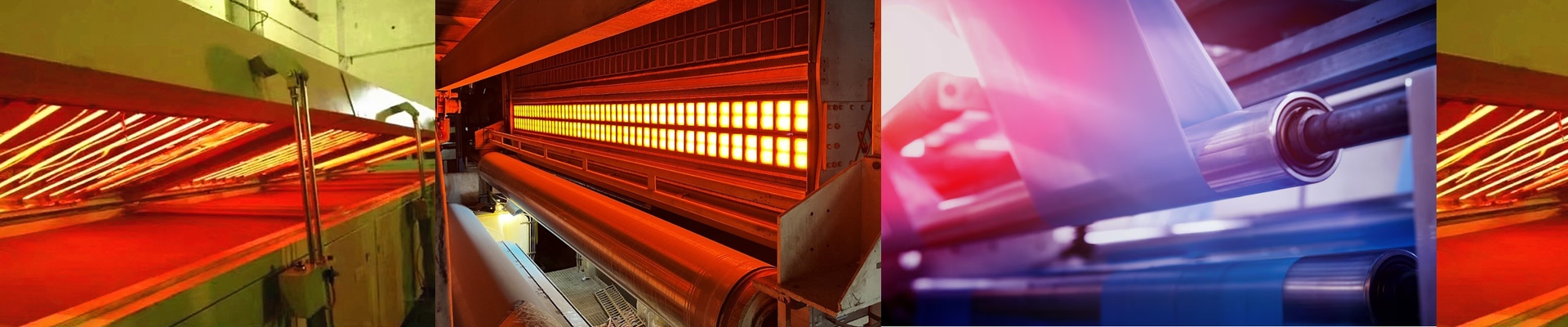
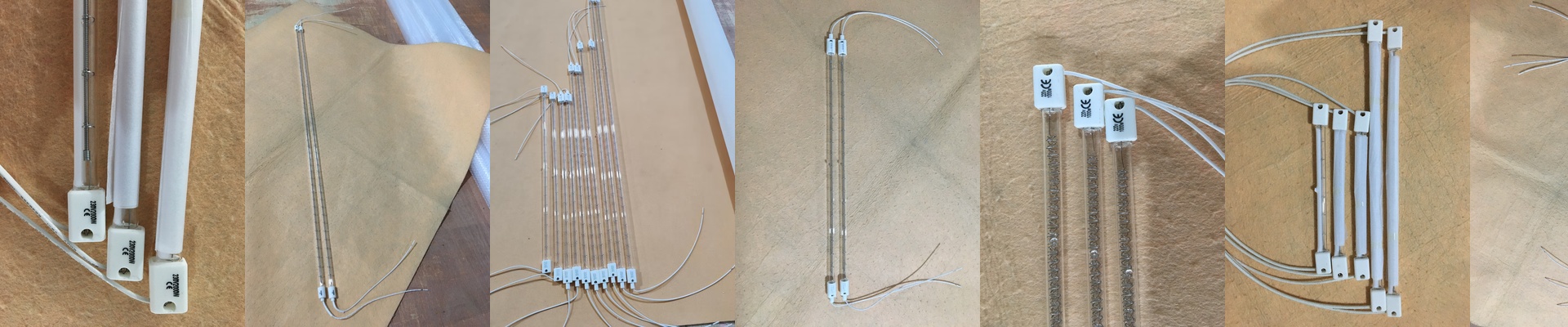
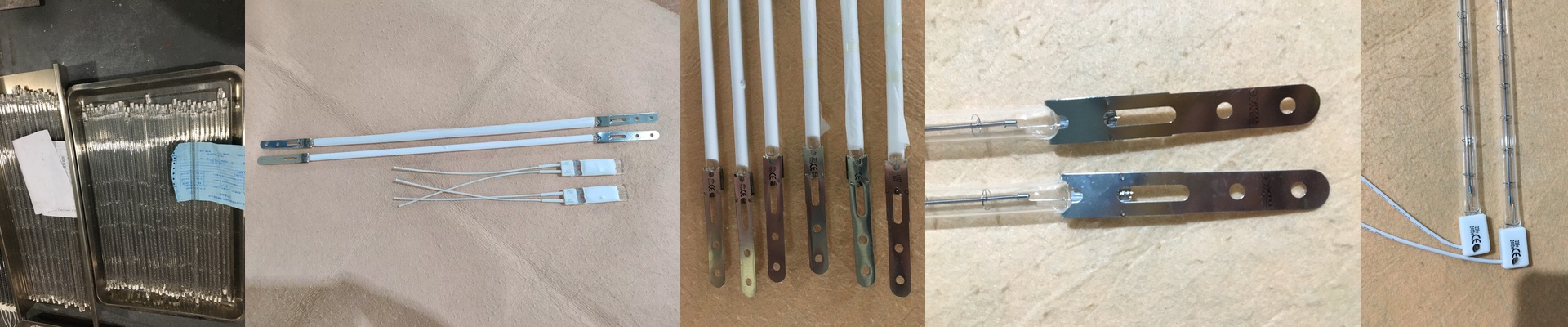
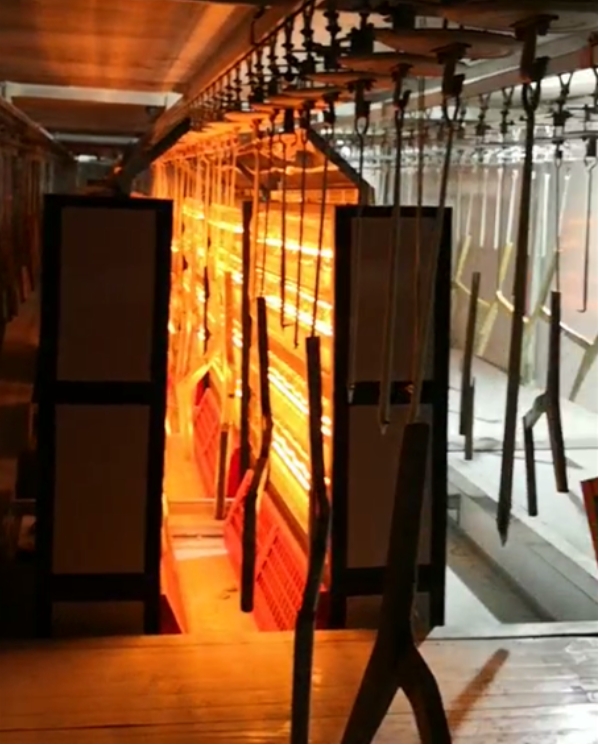
Most powder coating shops do things the old-fashioned way: they heat up a giant box of air and hope that heat eventually soaks into the part. It works, but it’s slow. And it’s expensive. If you switch over to high-output infrared (IR) lamps, the whole process changes. Instead of waiting for the air to get hot, IR sends electromagnetic radiation straight through the coating and right into the metal. It’s a different kind of physics. It’s faster. Much faster. And for a shop trying to kill two birds with one stone—cutting cycle times and lowering the electric bill—it’s the way to go. The hit to your wallet Think about a standard convection oven. You’re spending a fortune heating the walls, the ceiling, and thousands of cubic feet of empty air just to get your parts to temperature. It’s a waste. When you move to industrial IR lamps, you’re putting the heat exactly where it needs to be: right next to the workpiece. The “warm-up” period basically disappears. If you’re running a high-volume line, you’ll see your monthly kilowatt-hour usage drop significantly because the parts cure in a fraction of the time. The “Gotchas” (What to watch out for) Now, you can’t just toss these lamps into any old oven and call it a day. You’ve got to look at your power. High-wattage tubes are picky. If your voltage jumps around, the filaments will burn out way too soon. It’s a headache you don’t want. I always suggest going with quartz glass lamps and picking a coating that matches the specific powder you’re using. Then there’s the heat density. Since IR is so intense, it’s easy to overdo it. If the parts are too close to the lamps, you’ll end up with “orange peel” or, worse, scorched finishes. You have to find that sweet spot between how the lamps are spaced and how fast your conveyor is moving. Is it actually worth it? Replacing those pricey imported heating elements with solid, domestic IR alternatives usually brings the cost per part down. The payoff comes from two places: you stop paying for wasted energy, and the replacement parts don’t break the bank. Just do yourself a favor and double-check your wiring. Make sure it can handle the current draw of the new array, or you’ll be smelling melted connectors by Tuesday.