Stop Guessing Your Curing Times
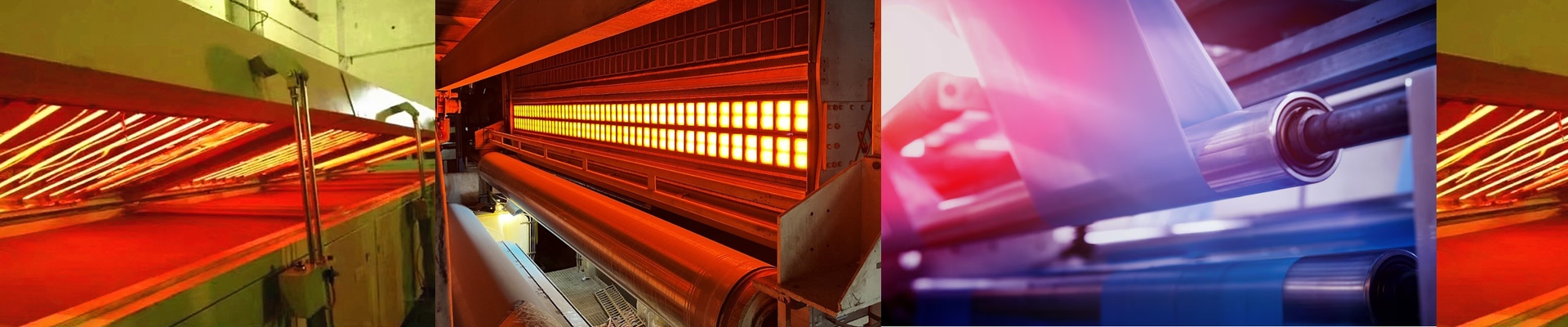
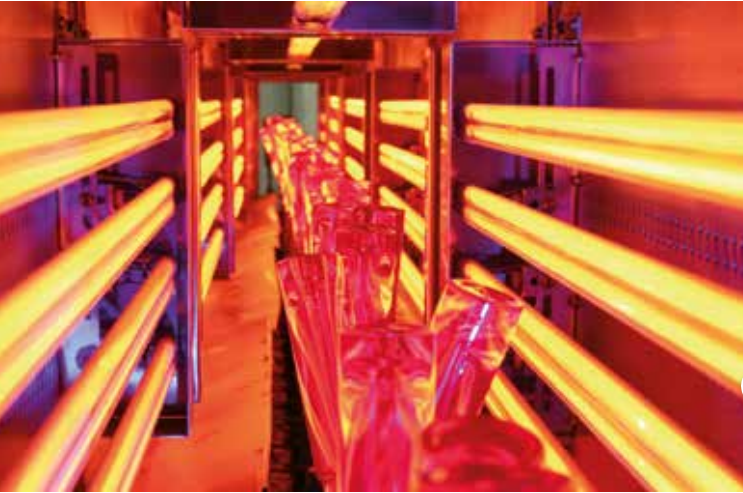
For way too long, we’ve been running painting lines on a wing and a prayer. You set the belt speed, hope the lamps are actually hitting their wattage, and just… cross your fingers that the parts didn’t under-cure. It’s a stressful way to work. But things are changing. Over the next few years, we’re moving toward lamps that actually “talk” to us. Think integrated IoT systems that tell you exactly how they’re doing in real-time, without you having to go hunting for the problem.
Turning Heat into Information
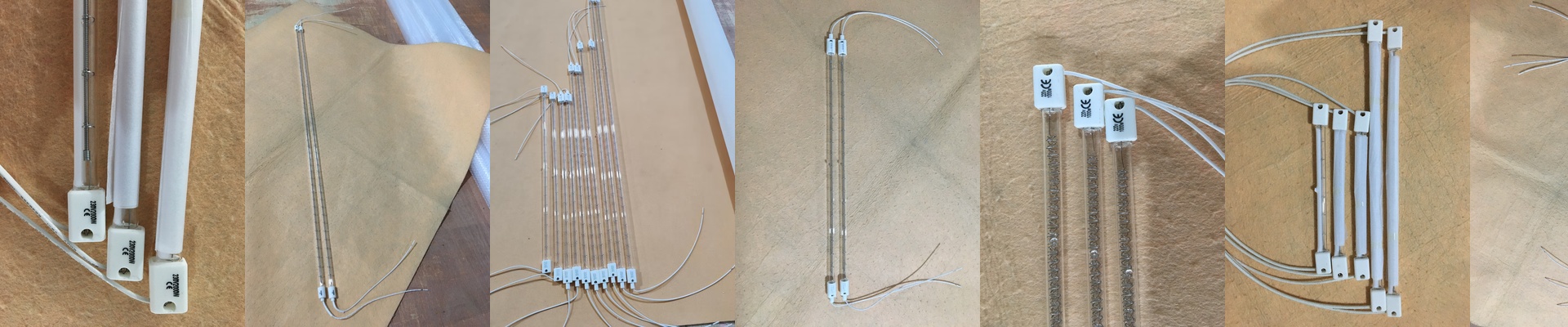
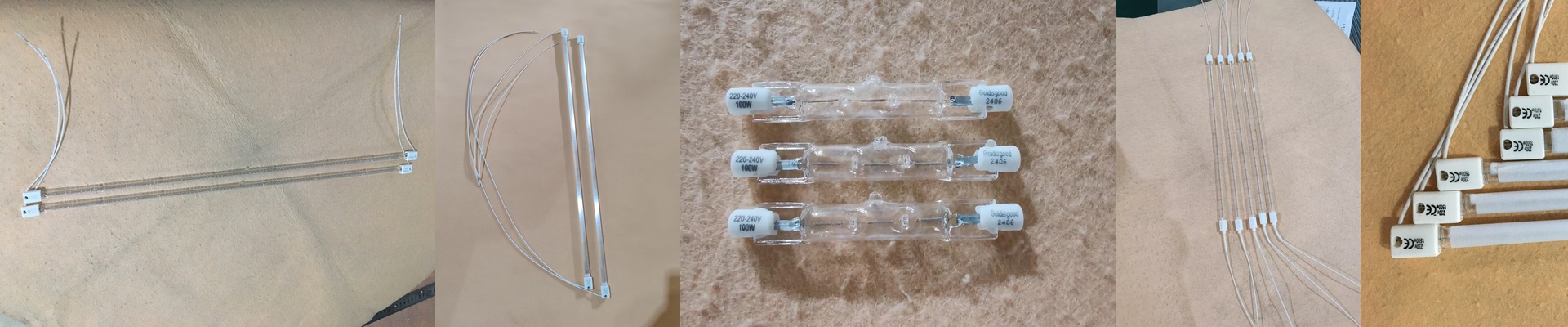
Let’s be honest: standard IR tubes are pretty basic. They take power, they get hot, and that’s about it. The problem is that when a tube burns out or the voltage dips, you usually don’t find out until you’re looking at a pile of ruined finishes at the end of the line. That’s a nightmare. By putting sensors and communication modules right into the lamp housing, the hardware finally gives us some answers. Now, we can keep an eye on the actual surface temperature and the lamp current while the line is still moving. No more stopping everything just to check the heat.
The Catch (Because there’s always one)
Now, putting electronics next to a high-heat zone isn’t exactly easy. You can’t just tape a Wi-Fi chip to a quartz tube and call it a day. We have to get clever with heat shields and remote telemetry units so the sensors don’t just fry the moment they turn on. And here’s the trade-off: more sensors mean more things that could potentially break. You’ll have to be a bit more disciplined with your maintenance schedule for the electronics than you were with the old-school lamps.
What This Actually Does for the Shop Floor
When your lamps can talk, the guesswork disappears. Imagine a zone in the oven drops 10% in output. Instead of finding out three hours later, the system flags it immediately. You can just tweak the conveyor speed on the fly to make up for it. Suddenly, you’ve saved an entire batch from the scrap bin. It turns your curing log from a boring history book into a tool you can actually use. It’s about spending less time stressing over quality checks and catching a failure before the parts even leave the oven.