Picking the Right IR Setup for Metal Curing
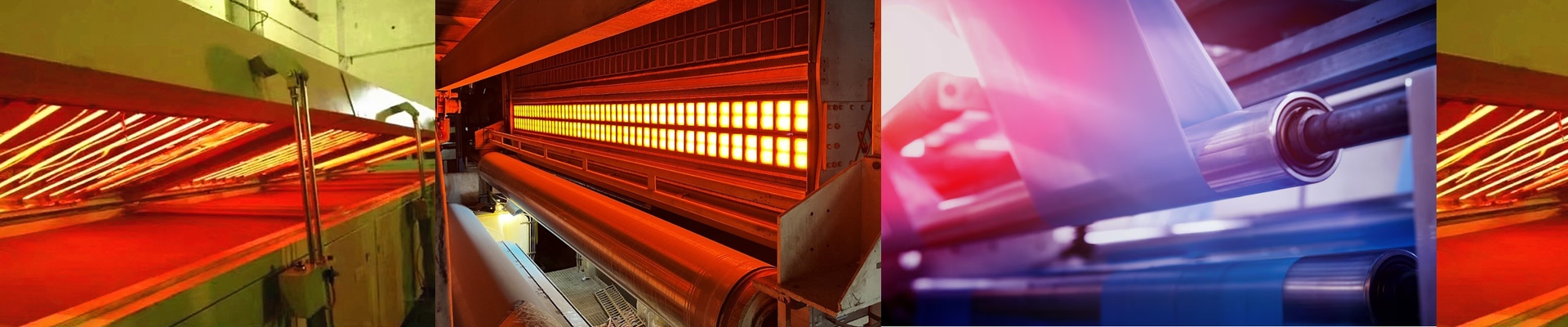
If you’re trying to figure out which IR system to use for curing metal, it usually boils down to two things: how the metal actually takes in the heat and how fast you need that part to get hot.
The Deal with Wavebands
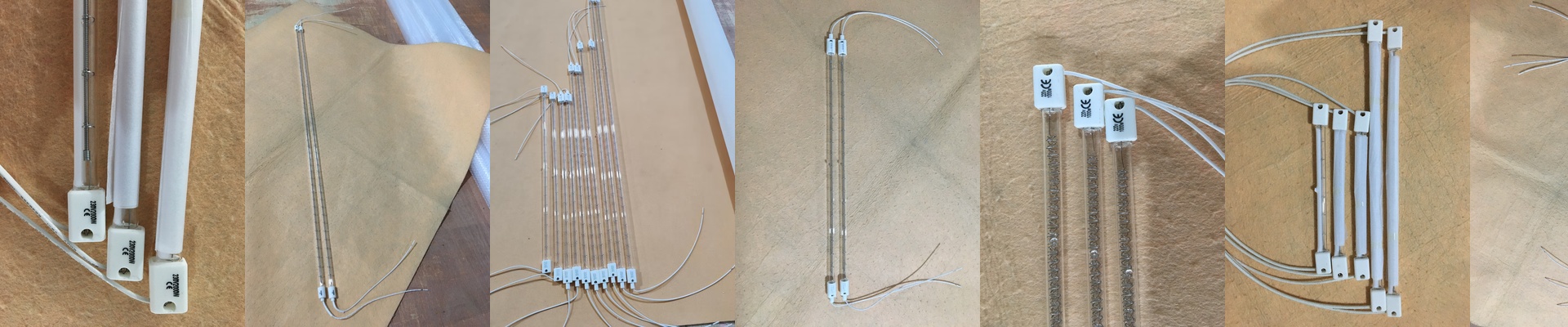
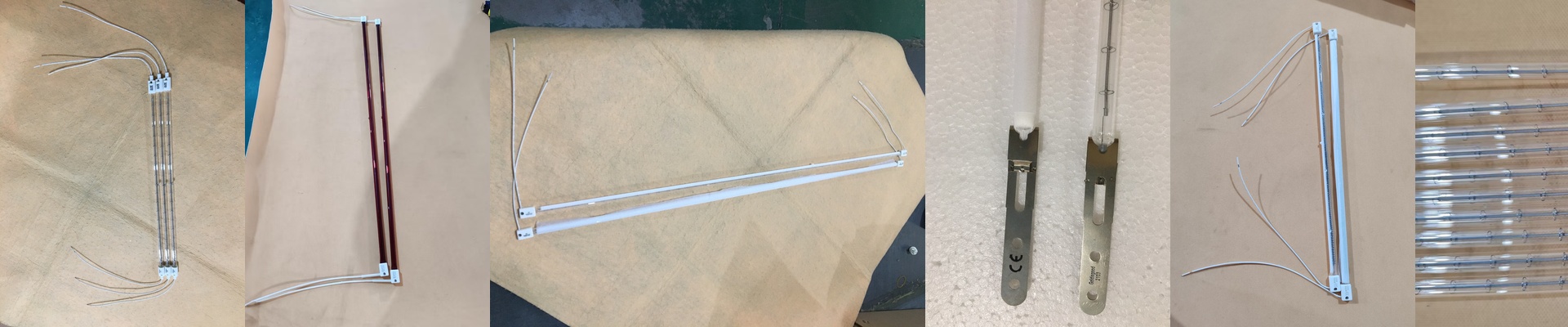
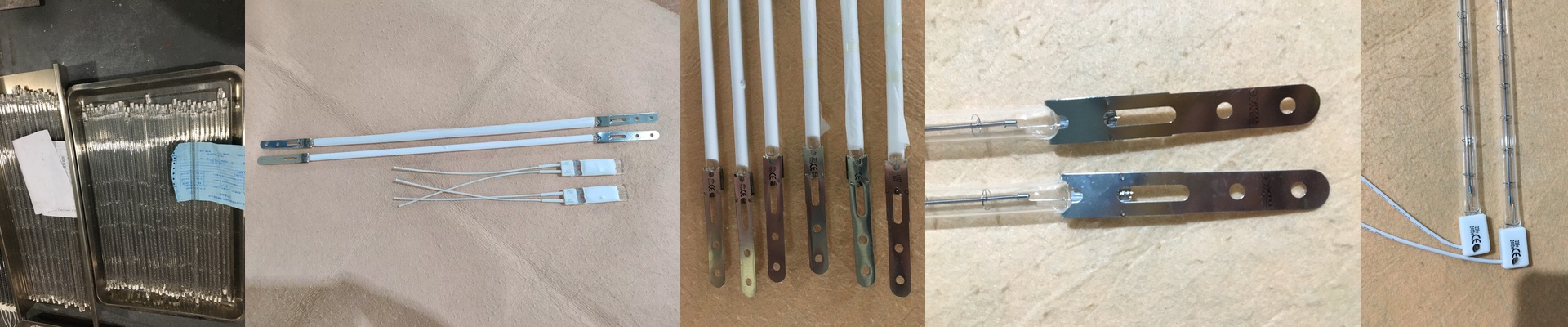
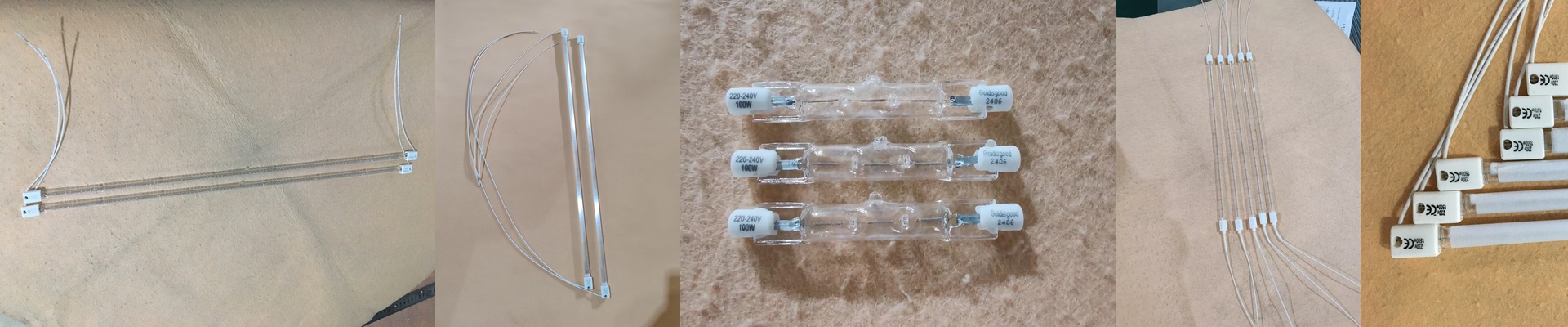
Shortwave lamps are the heavy hitters. They run hot and push energy deep into the coating. If you’re in a rush and need a fast ramp-up, this is usually the way to go. Mediumwave is a different story. These lamps just seem to “get along” better with the organic curing agents you find in a lot of coatings. Instead of a blast of heat, you get a more controlled soak. Then you’ve got twin-tube designs. Think of these as a way to double your firepower without taking up more space. We use these when you need more wattage, but you don’t want to stretch the tube longer or risk burning out a single filament by pushing it too hard.
The Trade-offs (Because there’s always one)
Shortwave is incredibly intense. It’s fast. Really fast. But that intensity can be a double-edged sword. Sometimes the top layer cures so quickly that it “skins over,” trapping everything underneath. Mediumwave avoids that headache. It penetrates the material more evenly, so you don’t end up with a finished surface and a raw center. As for those twin-tubes? They’re great for the health of your equipment. By spreading the load across two tubes, you can drop the wattage on each one. You still get the same amount of heat, but your quartz lasts a lot longer because it isn’t under as much stress.
Real-world Setup
When you’re actually wiring this stuff on the floor, keep an eye on your power. High-wattage shortwave lamps are hungry—they pull a lot of current. If you’re moving to a twin-tube array, double-check your cabling and contactors. You don’t want to find out the hard way that your wires can’t handle the load. Also, remember that metal is basically a mirror for IR energy. That heat wants to bounce right back at the lamp, which can crack the quartz. To stop that, use reflectors with a high specular coefficient. And one last tip: check your fans. If your cooling isn’t built for the ambient heat of a shortwave setup, your lamp life is going to tank.