Stop Wasting Your Heat: Getting Your IR Reflectors Right
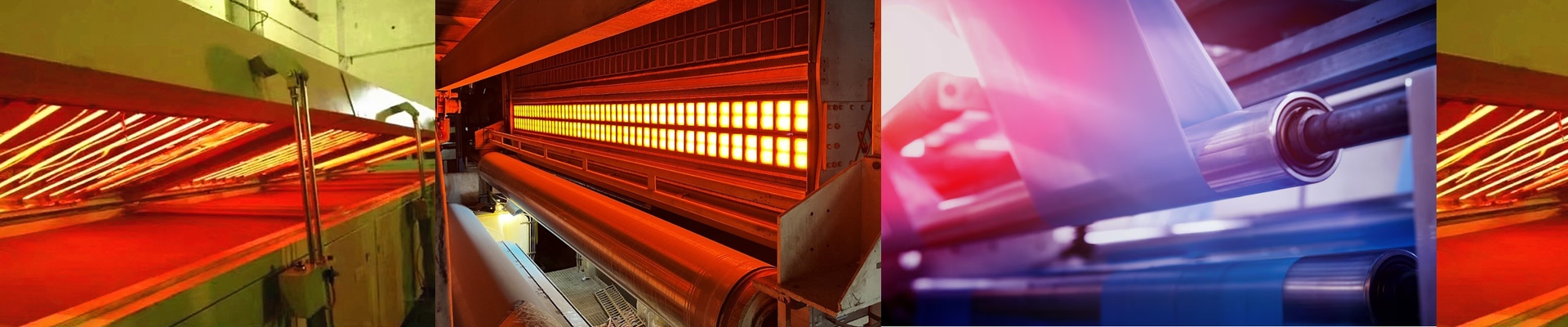
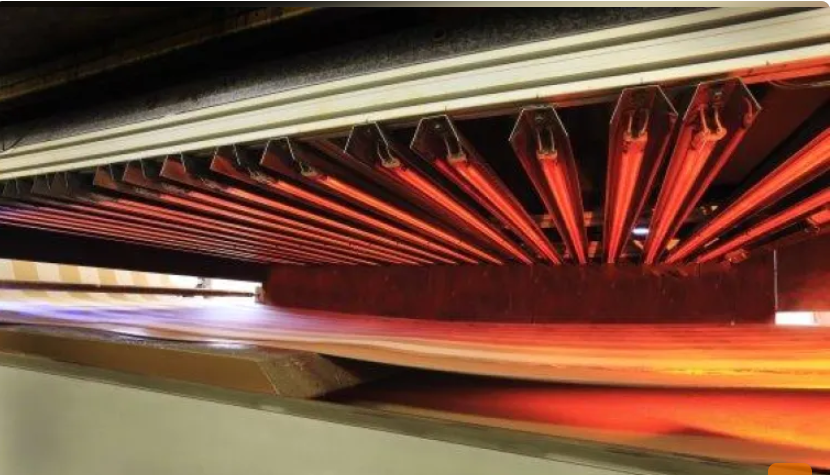
Here is the problem with IR lamps: they throw heat in every single direction. If you don’t have a reflector, you’re basically spending half your electricity heating up the metal frame of your machine. It’s a total waste. That’s where the reflectors come in. They grab that stray energy and push it right back onto the fabric. But it isn’t just about “having” a reflector—it’s about the shape. Depending on the geometry, you can either get a soft, wide glow or a concentrated beam that hits like a hammer.
The Trick to the Perfect Beam
You’ll see a lot of parabolic and elliptical shapes in the shop. There’s a reason for that. A parabolic curve takes the light from a halogen tube and straightens it out into parallel rays. It keeps the heat from spreading out too much. When you tighten that focus, you get way more power hitting every square inch of the material. But here is the catch:precision is everything. If the lamp is off-center by even 2mm, you’ll start seeing “cold spots” or weird stripes on your fabric. Most people try to fix this by cranking up the voltage. Don’t do that. All you’re doing is burning out your filaments faster. Just fix the alignment.
The Trade-off: Speed vs. Scorching
When you tighten that optical path, things happen fast. Your curing and drying cycles shrink, and you can actually make your machine smaller because you don’t need as many heating zones. But it’s a balancing act. High-density heat is intense. If your conveyor belt isn’t synced perfectly, you’re going to scorch the textile. Plus, you’ll need to make sure your cooling fans can actually handle the heat buildup inside the housing, or you’re just asking for trouble.
Real-World Tips for Your Line
If you want to get the most out of your setup, look at the finish of your reflectors. Polished aluminum is okay, but gold-coated reflectors are much better for mid-to-long wave heat. They reflect more energy and they don’t get chewed up as easily in a gritty factory environment. And please, pair the whole thing with a solid PID controller. It keeps the heat steady so you don’t accidentally overshoot your target and ruin a batch of fabric.