Why the Shape of Your Reflector Actually Matters for IR Heating
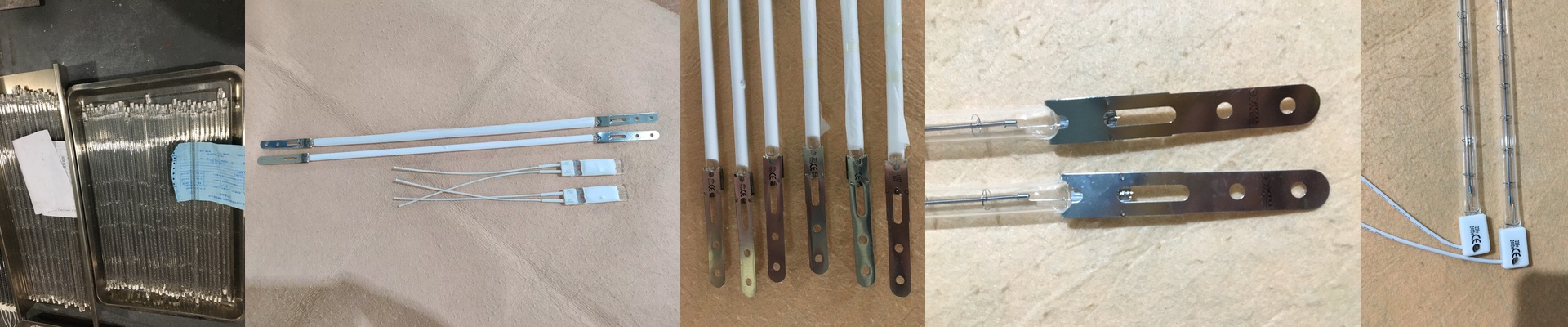
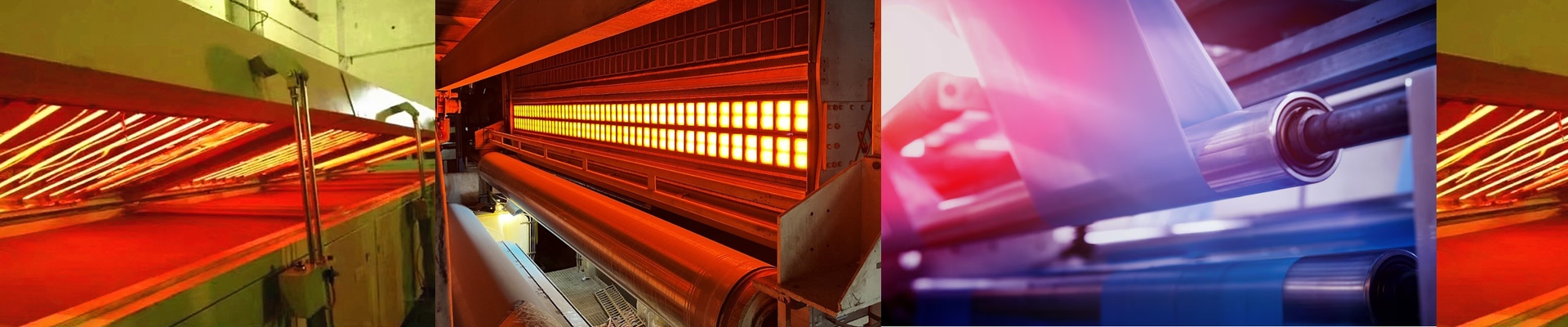
When you’re curing or drying textiles, most people obsess over the lamp. But here’s the secret: the lamp is only half the battle. The real magic is in the reflector. If the geometry is off, your heat just bounces around the machine frame and disappears. We spend a lot of time obsessing over the optical path because we want that energy hitting the fabric, not the walls of your oven.
Getting the Path Right
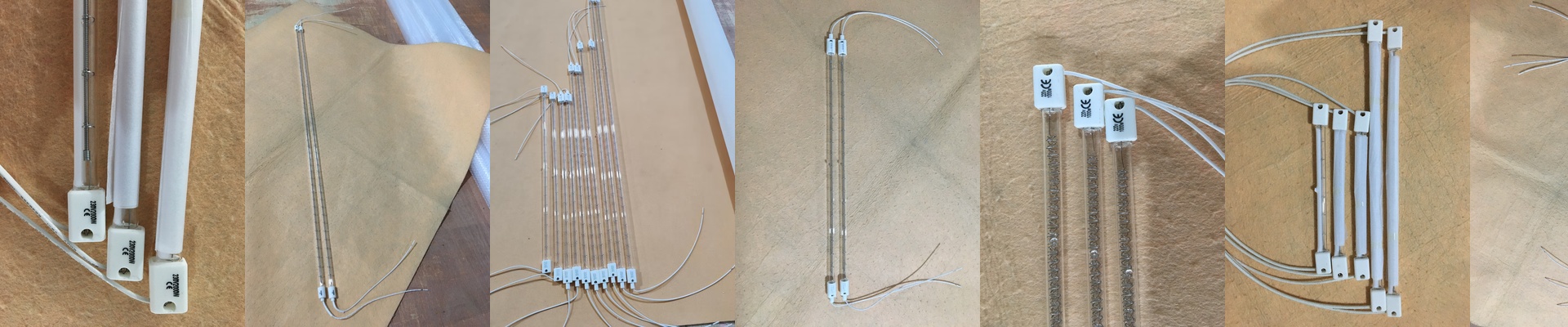
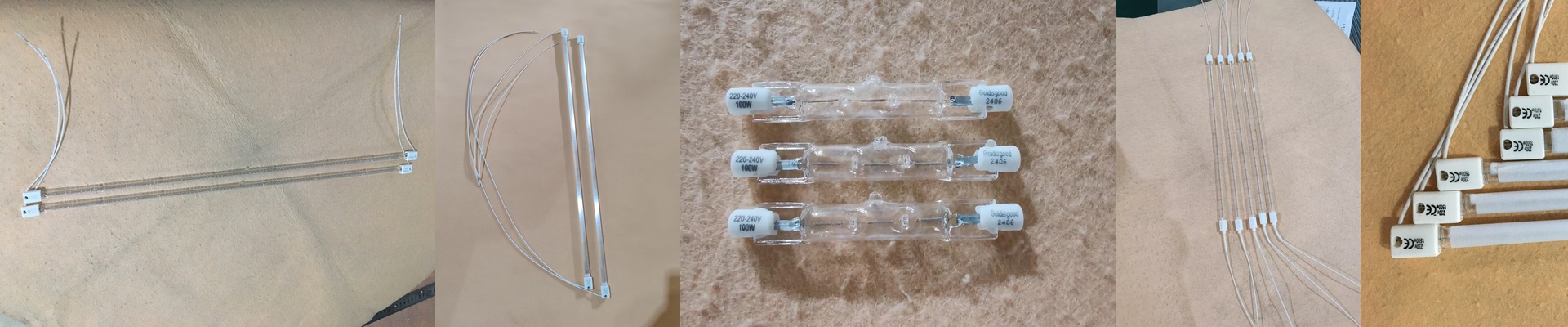
Think about a standard cylindrical lamp. It throws heat in every direction—a full 360 degrees. If you don’t have a reflector, you’re basically throwing away half your power before it even reaches the material. That’s why we use parabolic or elliptical shapes. It’s all about redirection. By tweaking the focal point, we can change the heat from a soft, wide glow into a concentrated beam. **The tighter the curve, the more punch you get.**This means you can get your fabric to the temperature it needs without having to crank up the wattage and waste electricity.
The Balancing Act: Intensity vs. Uniformity
Now, you might think “more concentration is always better,” but it’s not that simple. If the beam is too sharp, you get hot spots. One second your fabric is drying, and the next, you’ve scorched a hole right through it. It’s a nightmare. We calibrate the angle to make sure the heat is intense enough to work, but smooth enough to be even across the whole piece. Distance plays a huge role here too. If your lamp is far away, a deep parabolic reflector is your best friend. But if you’re doing close-contact drying? Go with a shallower curve. It keeps things from overheating the surface.
The Trade-offs (The Part Nobody Tells You)
Here’s the catch. When you push for maximum energy density, you’re putting a lot more stress on your gear. Concentrating all that heat into a small area makes the lamp tube run much hotter. If you aren’t careful, the quartz can warp or the filaments can just snap. That’s where your cooling comes in. You’ve got to make sure your fans or water jackets are up to the task. If your airflow is weak, you might actually have to dial back the energy density just to keep your lamps from burning out. It’s all a bit of a tug-of-war.