Stop Letting Steam Kill Your IR Lamps
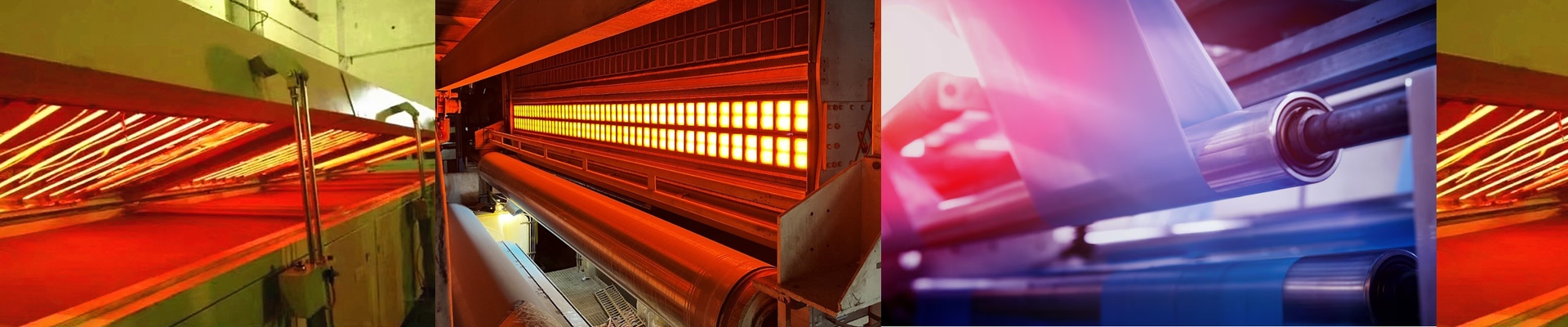
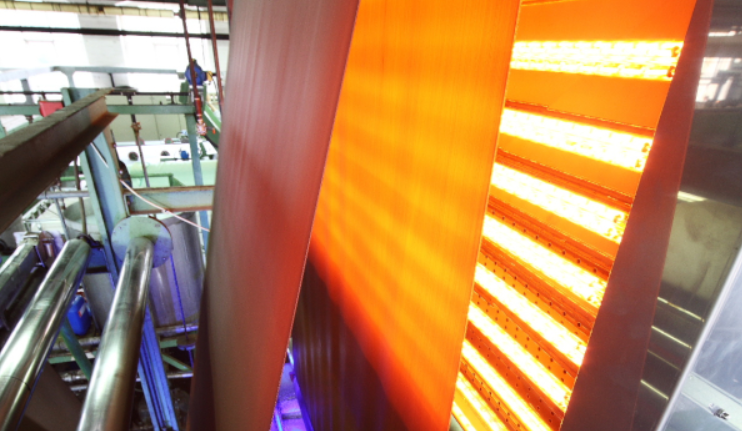
If you’ve ever run a textile drying line, you know it’s a brutal environment. As the water leaves the fabric, it creates this thick cloud of steam right where your heating elements are. Here’s the problem: that moisture loves to settle on the quartz envelopes. When a cold drop of water hits a scorching hot tube, you get thermal shock. Then, snap. Your lamp is dead, and your shift is interrupted.
How we keep things dry
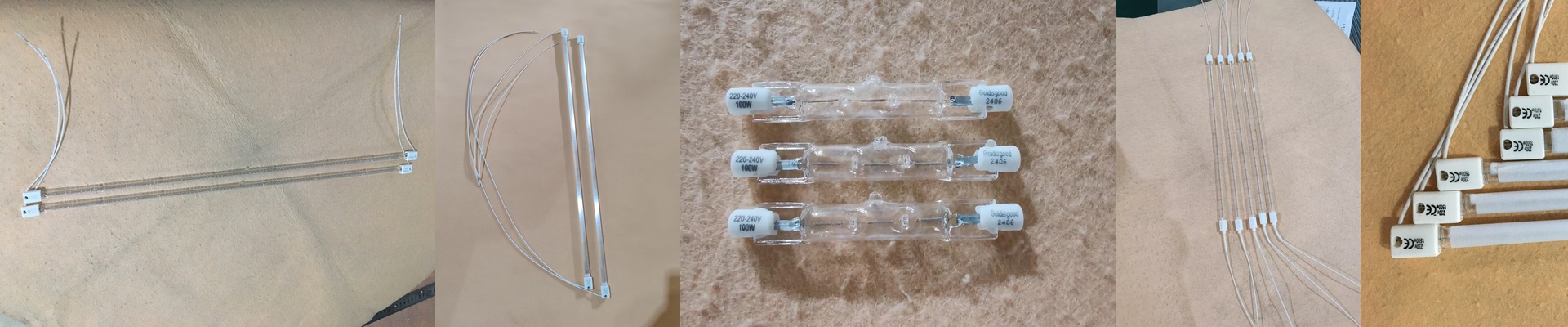
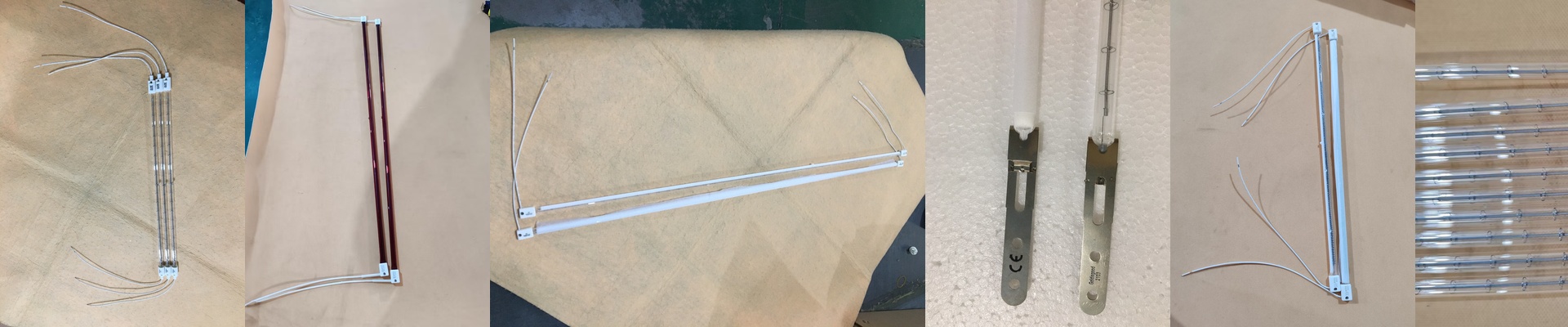
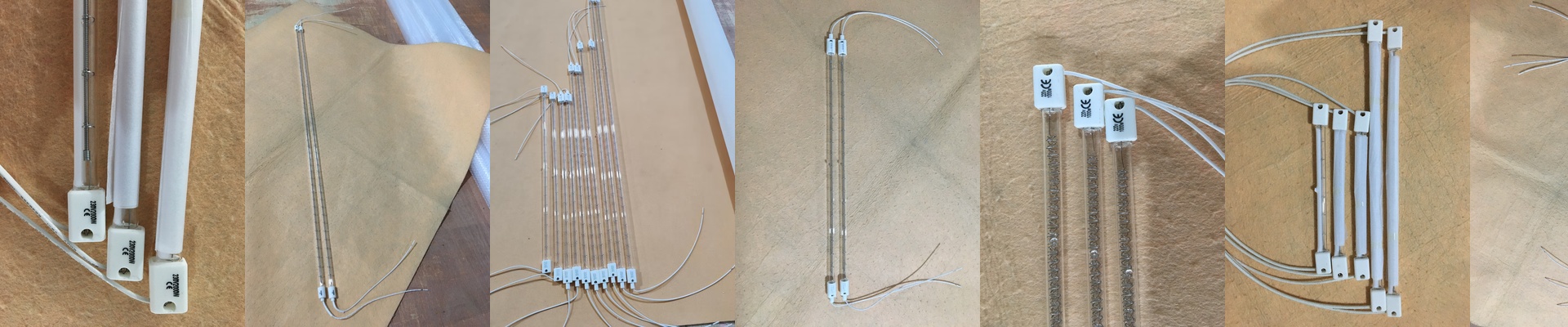
We built an anti-fog module to stop this from happening. Instead of just hoping the steam disappears, the module uses a specific airflow design to physically push the vapor away from the quartz. It stops those “cold spots” from forming. No droplets, no localized stress on the glass, and—most importantly—no sudden cracks in the middle of a production run. It just keeps the tubes dry and happy.
A quick word on the power
We use short-wave infrared emitters here because they actually get deep into the fibers. It’s fast. Really fast. But keep in mind, these high-wattage layouts pull a lot of juice. Before you go all-in on a massive array, double-check your wiring and contactors. You don’t want your electrical bus overheating just because you’re pushing for a faster drying cycle.
The trade-offs
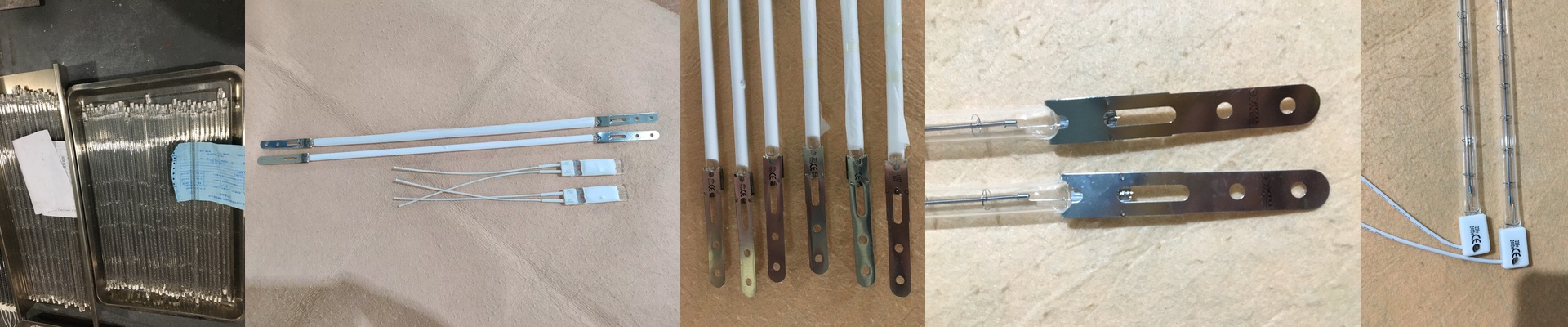
Now, this isn’t a “plug and play” swap for an open-tube system. Because of the protective housing, the heater takes up more physical space. You’ll likely need to tweak your mounting brackets and maybe spend a little time recalibrating your PID controllers. The housing changes the air turbulence around the fabric slightly, so a few adjustments are usually needed to get it dialed in.
Keeping it running
The real win here is the lifespan. By keeping the steam off the glass, your lamps last way longer. That means you spend less time on the factory floor swapping out burnt-out tubes and more time actually shipping product. Just do me a favor:**keep the intake vents clear of lint.**If the airflow gets choked, the anti-fog magic stops working, and you’re right back where you started.