

High-Output IR Curing: The Middle Ground Your Shop Actually Needs
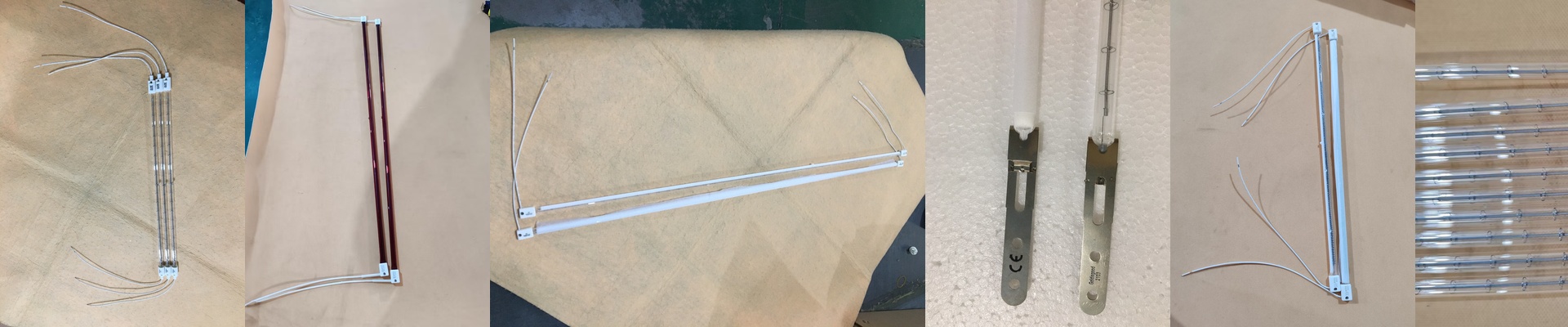
If you run a mid-sized powder coating operation, you’ve probably noticed a frustrating gap in the market. On one side, you have the “big brand” infrared systems. They work great, but they cost a fortune and will eat your entire yearly budget in one go. On the other side, you’ve got the cheap, low-wattage lamps that barely put a dent in a thick coat. It’s a lose-lose. That’s why we build our IR lamps. We wanted to give you that same heavy-hitting heat density and speed you see in the premium systems, just without the ridiculous brand-name markup.
Why it actually works
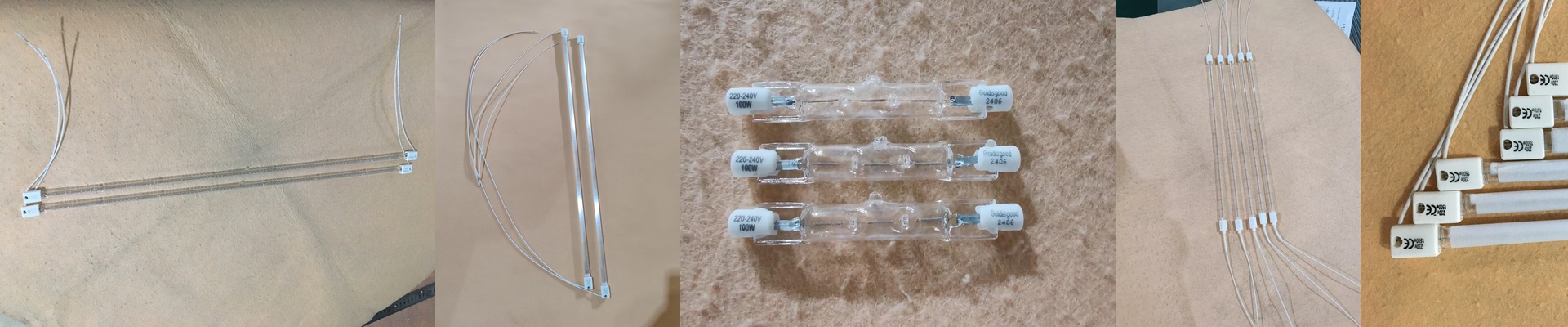
Here is the deal with curing: you need a precise heat ramp-up to melt the powder and get that chemical cross-linking to happen. We use short-wave infrared because it doesn’t just warm up the air—it punches straight through the coating and hits the substrate. It’s way faster than waiting on a convection oven to do its thing. You can pick your lamps based on how fast your line moves. More wattage means you can push more parts through the door. But a word of caution: don’t go overboard. If you crank the wattage too high while your conveyor is crawling, you’re going to scorch your finish. It’s all about finding that sweet spot between the heat and the belt speed.
Built for the grind
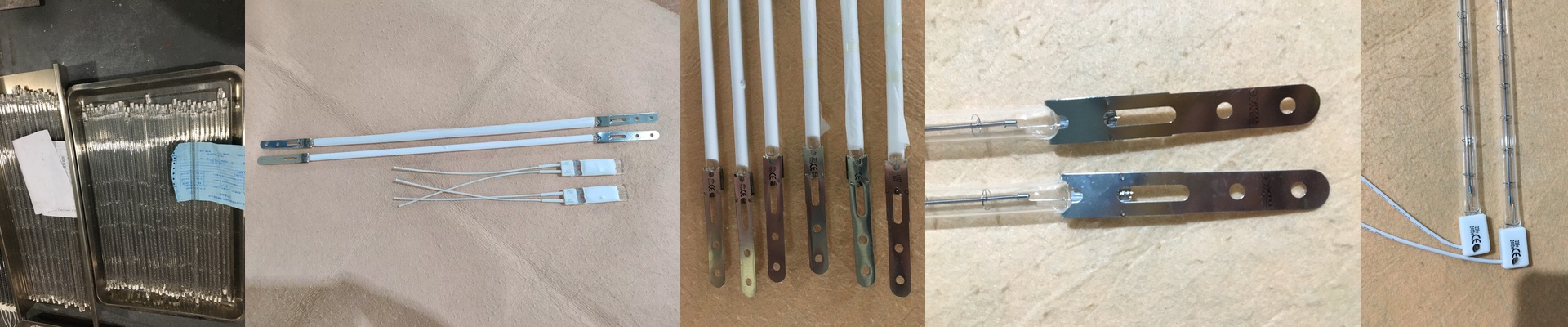
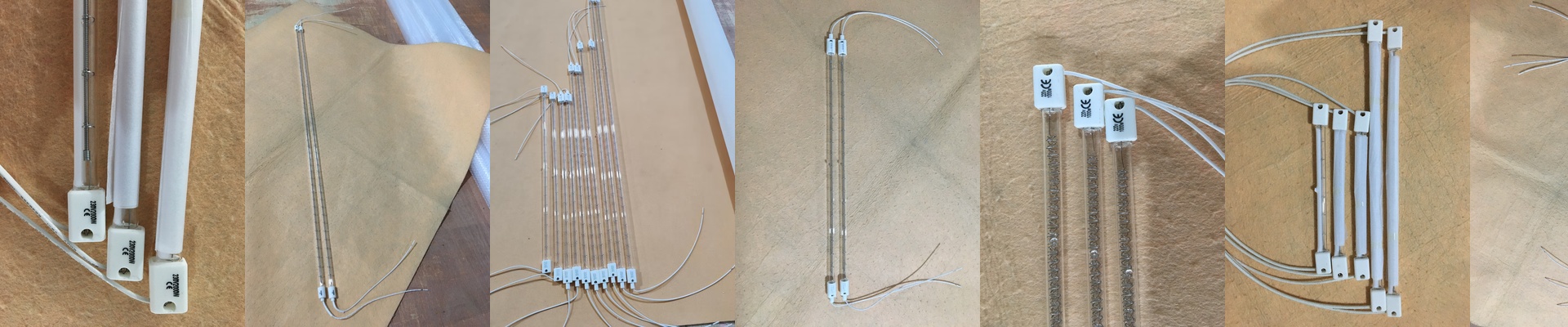
Shop floors are messy, hot, and generally brutal on equipment. We use heavy-duty quartz glass because it can handle the shock of temperature swings and the gunk that floats around a factory. We also kept the connectors simple. Look, when a lamp burns out, the last thing you want is your entire line sitting dead for half a day while you fiddle with wiring. These are drop-in replacements. Swap them out, plug them in, and get back to making money in a few minutes.
One thing to watch out for
There is a trade-off with high-efficiency heat: these things are thirsty. They pull a lot of current. If you’re swapping out old gear for these, do yourself a favor and check your electrical panel first. A high-density IR array can trip a breaker in a heartbeat if your power setup isn’t ready for the load. It’s an incredible tool, but only if your grid can actually feed the beast.