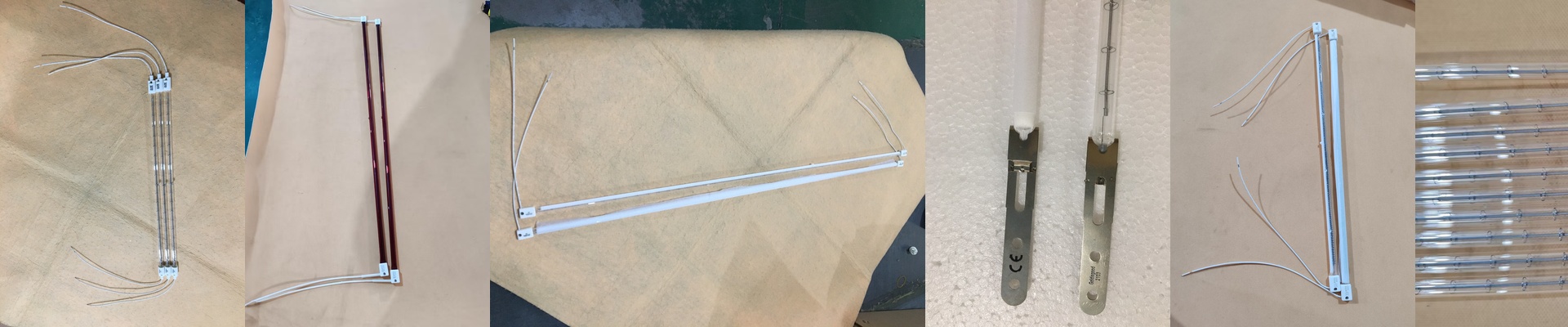
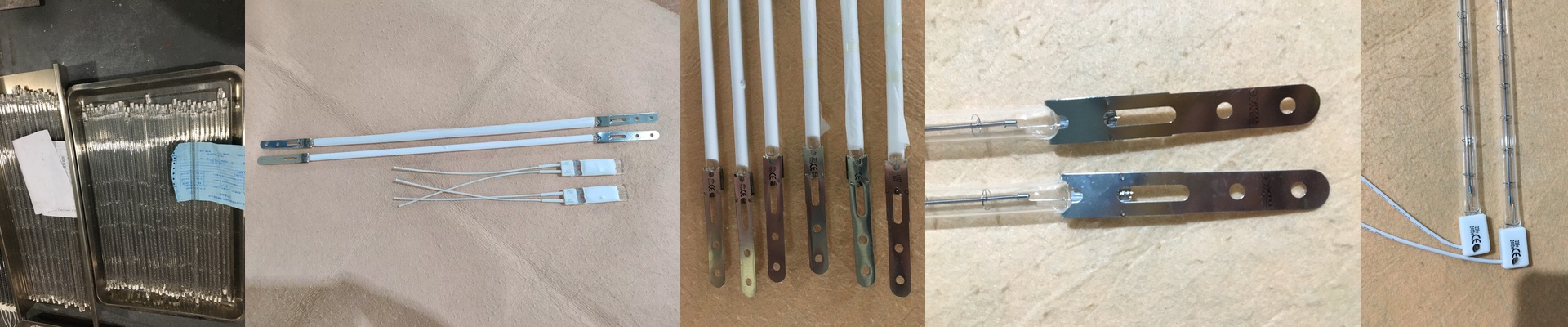
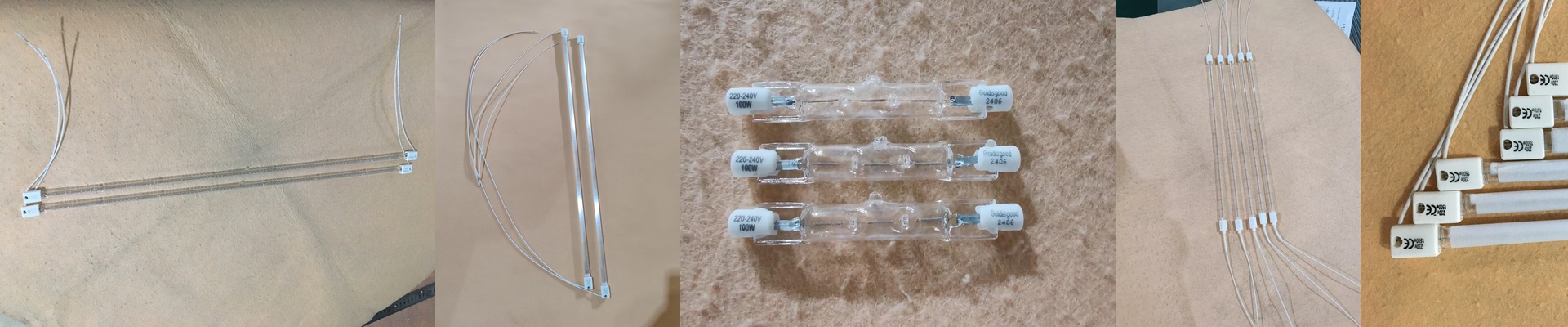
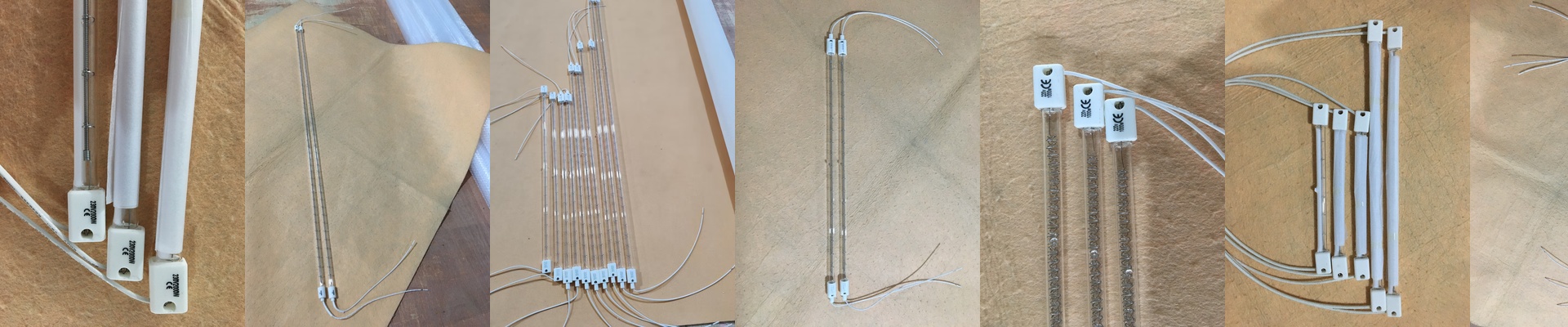
Meet the LED Halogen Infrared Heating Lamp
We built this lamp for the jobs that demand precision. The kind of industrial work where you can’t afford to guess, and reliability isn’t optional. Forget the idea of a regular bulb. This is a compact powerhouse, an infrared emitter that throws intense, focused heat right where you need it. It takes electricity and turns it into radiant heat with almost zero waste. Perfect when you need to hit a temperature fast, in one specific spot, and then move on.
Power, Voltage, and Size—Simplified
These things are all about packing a punch in a small space. A typical unit runs at 2500W, but it’s designed to run on 400V. Why does that matter? Well, higher voltage means lower current for the same power. That lets you use thinner wires and means you don’t lose power over long runs. As for the size, the standard tube is 300mm long. It’s a sweet spot that gives you a tight, focused heat spot without taking up a ton of room in your machine.
What’s Inside and How It Stays Tough
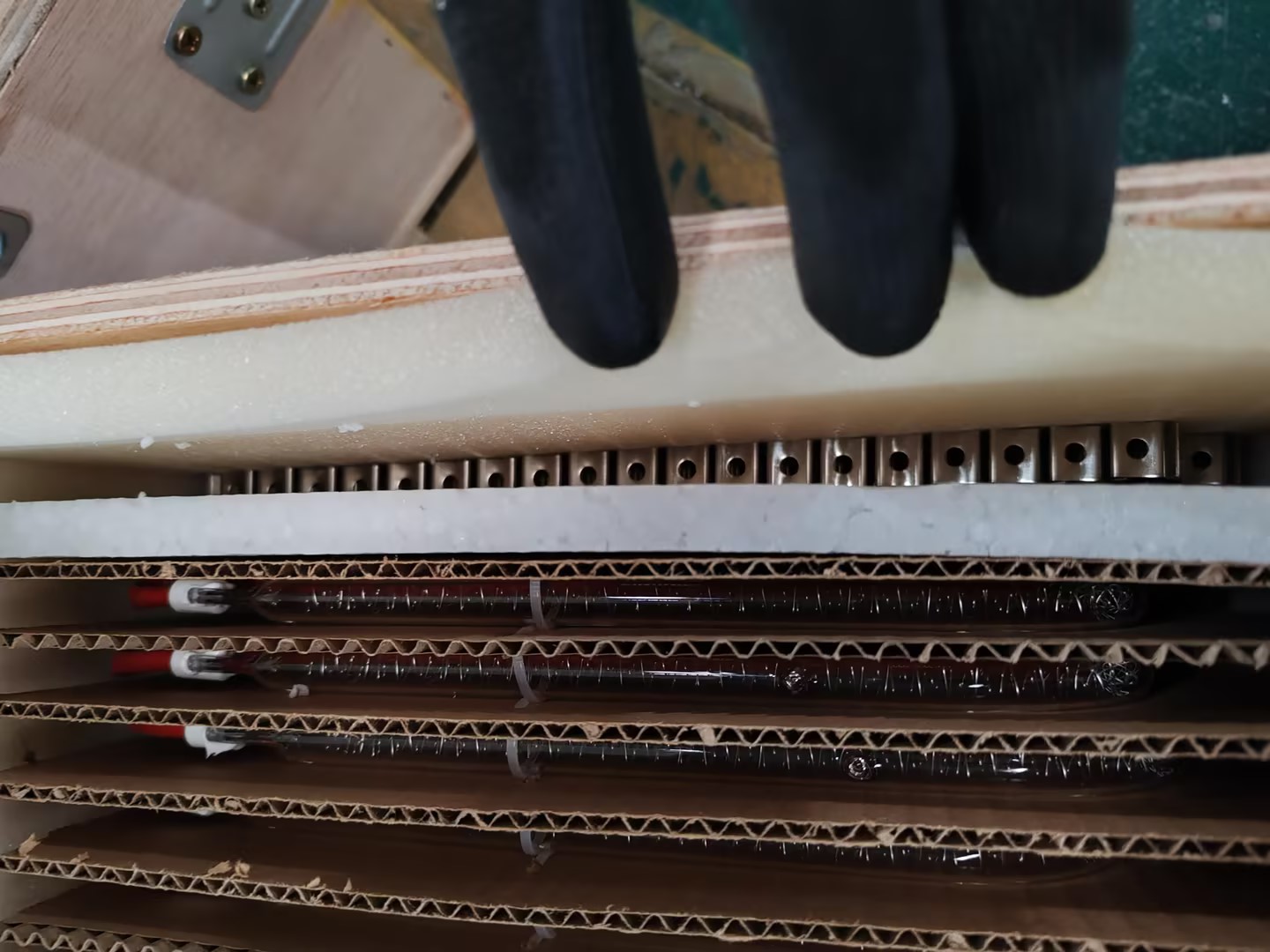
At the core is a quartz envelope. It’s chosen because it can take serious heat and lets infrared energy pass through like a champ. Inside, a halogen cycle protects the filament, so you don’t get premature burnouts and the output stays steady over the life of the lamp. An internal reflective coating makes sure the heat goes forward—where it’s supposed to—instead of spilling out the sides. And the R7s connector? It’s a simple, two-pin design that locks in tight. It’s built to handle the constant heating and cooling, and the vibrations of industrial equipment. That means you can swap it in and trust it to stay put.
Where It Shines—And What to Watch For
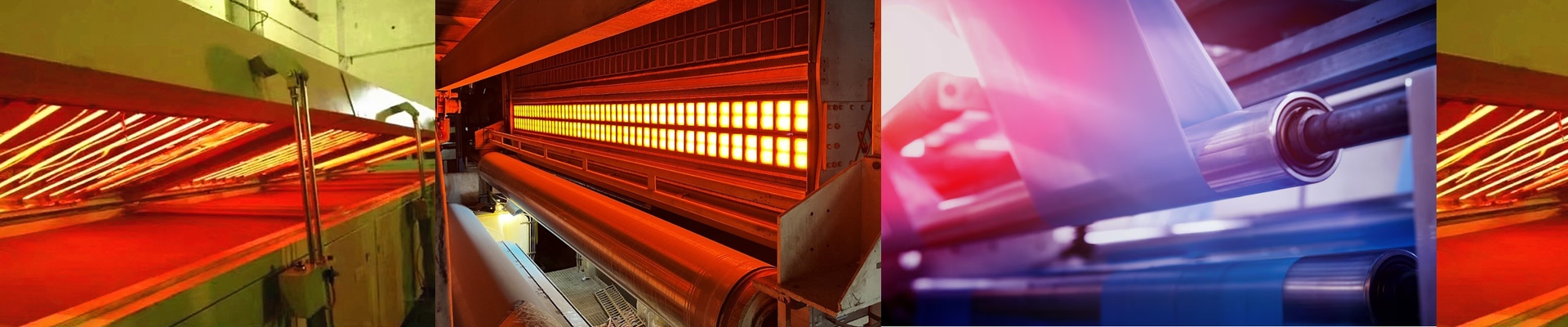
You’ll see these lamps in action wherever industrial heating needs to be fast and controlled. Think PET blowing, plastic welding, and other processes where speed is everything. The concentrated infrared output means you get rapid temperature rise, which can really speed up your cycle times. But here’s the catch: all that heat density has to be managed. These lamps run hot, no question. So the fixture and the parts around it need proper cooling or shielding. Plan your airflow and mounting carefully. If you don’t, you’ll be shortening the life of the whole setup. Do it right, and you’ve got a workhorse.