Getting the Heat Right in Fabric Processing
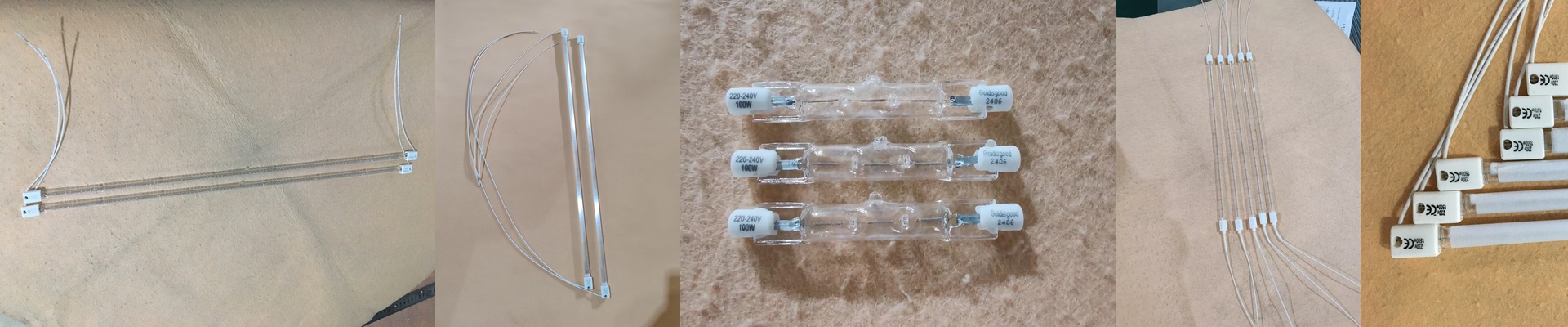
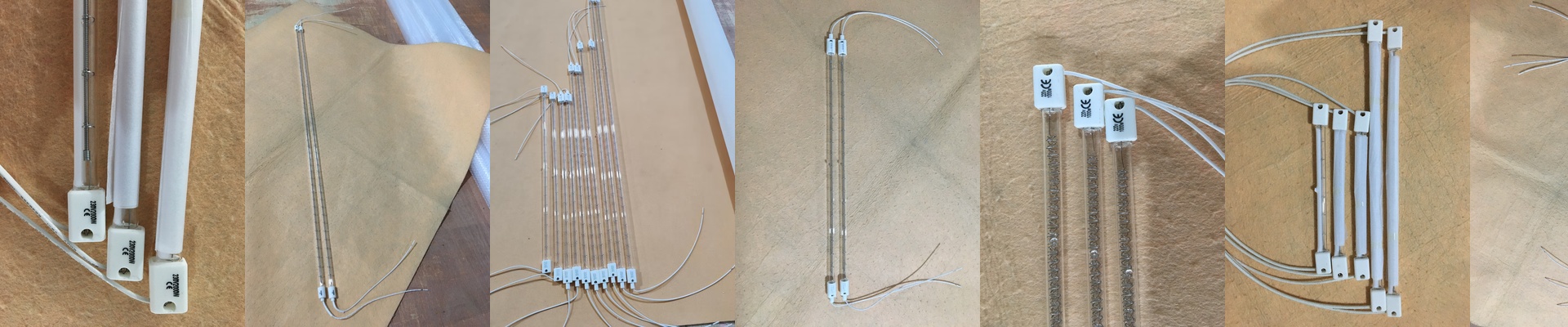
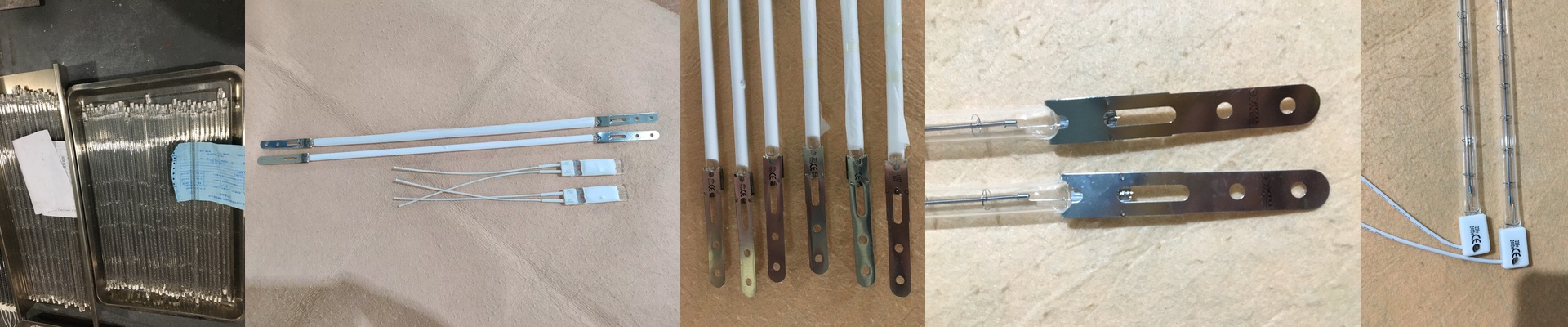
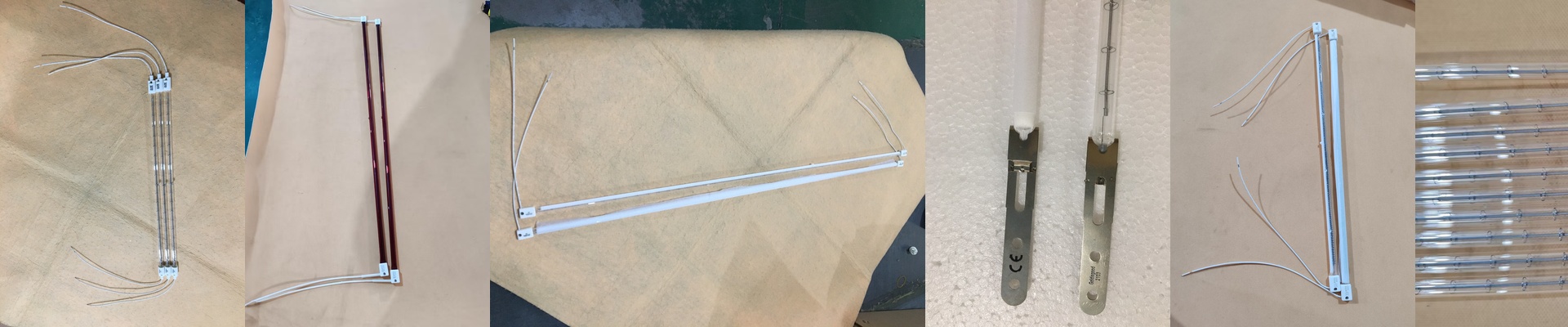
When it comes to heating fabric, it’s not just about cranking up the temperature. It’s more like a balancing act. If you’re off by just a few degrees, you’re not just wasting power—you’re risking scorched fibers or ruining the whole structure of the material. That’s why we treat our IR lamps as precision tools, not just another part you buy in bulk. Let’s talk about heat density. Energy costs are a killer, so we focus heavily on the wattage-per-centimeter ratio. By tweaking the voltage and the length of the quartz tube, we make sure the heat actually hits the fabric instead of just warming up the air in the room. The best part? High-density heat lets you run your lines faster. You get more product moving through the tunnel without having to build a bigger, more expensive setup. The nitty-gritty of the gear We use high-purity quartz and halogen gas because nobody wants a filament to burn out in the middle of a shift. But the real secret is the coating. If you need a quick hit on the surface, you go with a shortwave emitter. If you need the heat to soak deep into the material, longwave is the way to go. It all depends on how thick and dense your fabric is. We also stick to standard R7s or Sk15 connectors. Why? Because when it’s time for maintenance, you can just swap them out and get back to work without having to rewire the whole rack. The honest trade-offs Look, this kind of precision isn’t free. High-output lamps pack a punch, but they put a lot of stress on your power supply. You’ve got to make sure your electrical panels can handle that initial surge. And keep an eye on your cooling fans. If they can’t pull the heat away from the housings, your lamps won’t last nearly as long. One last tip:**keep the tubes clean.**It sounds simple, but dust buildup creates hotspots on the glass. Those hotspots are what kill the tubes prematurely. A little cleaning goes a long way.