Why Your Infrared Lamp Supports Keep Failing (And How We Fix It)
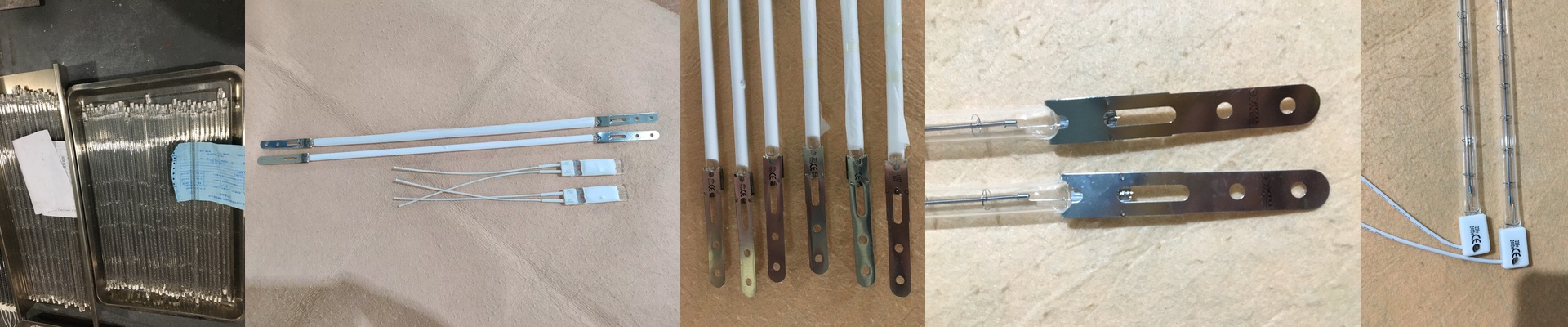
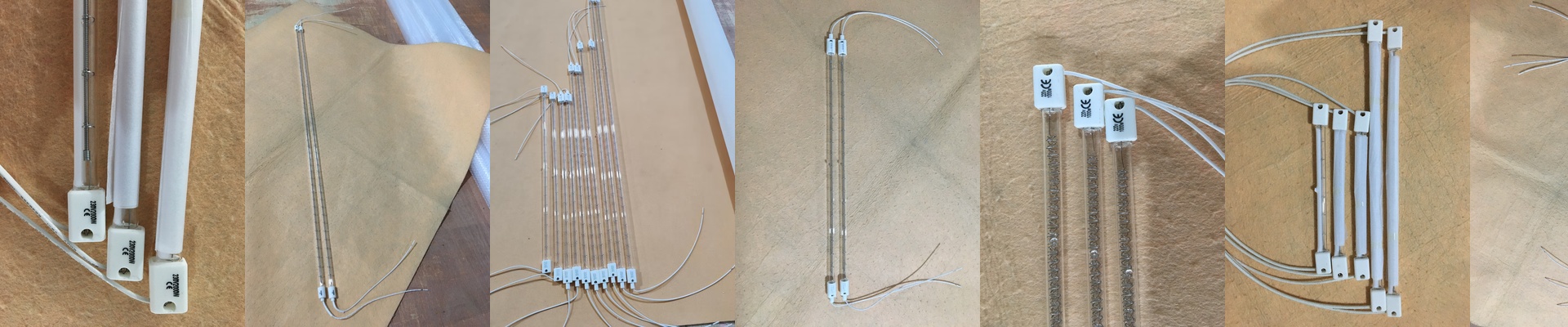
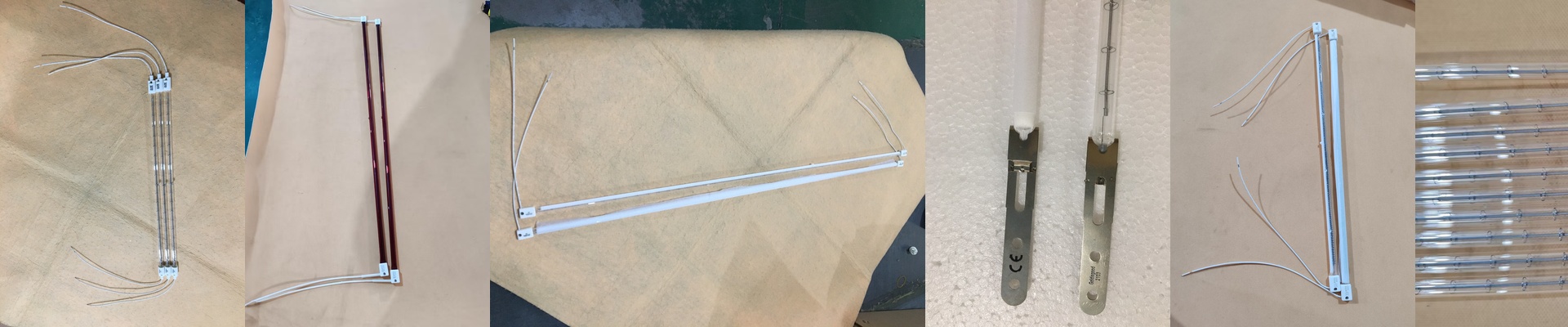
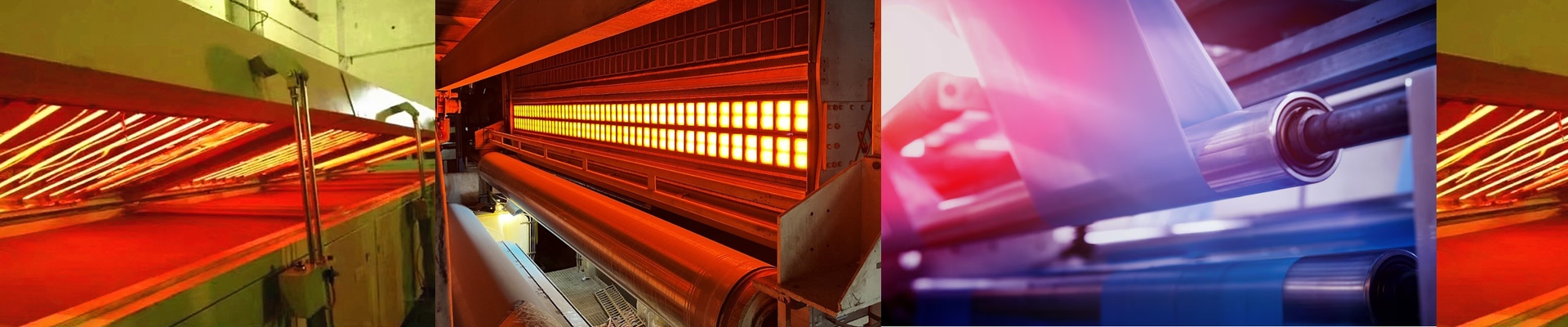
If you’ve worked with textile heating, you know the drill. You flip the switch, the lamps glow, and the metal starts to grow. Then you kill the power, and it shrinks back down. It sounds simple, but doing that thousands of times is brutal on the equipment. Every single power cycle is like bending a paperclip back and forth. Eventually, the filament supports just give up. When that happens, the lamp bows or the filament sags. Suddenly, your heat isn’t even, and you’ve got a problem on your hands. The fight against “creep” We spend a lot of time obsessing over the fatigue limit of these brackets. There’s this thing called “creep”—basically, the metal gets tired of the heat and stress and just decides to permanently deform. We don’t play guessing games with the lifespan. We put these supports through the wringer, simulating 20,000 to 50,000 start-stop cycles. We’re talking about measuring shifts in tiny fractions of a millimeter. If it moves too much? We scrap the material and try a different temper or coating until it stays put. The balancing act Here’s the tricky part: you can’t just make the supports rock-solid. If the bracket is too stiff, the quartz tube has nowhere to go when it expands. It’ll either snap the lamp or crack the seal. It’s a nightmare. So, we design the supports to “float.” It gives the tube a little room to breathe while keeping the filament exactly where it needs to be. What this actually means for your floor In the real world, a warped lamp means hot spots. And hot spots burn your fabric. By making sure those supports don’t warp after ten thousand cycles, we keep your heat profile flat and your fabric safe. One quick tip: keep an eye on your mounting bolts. Check them every six months. No matter how strong the bracket material is, the constant vibration from the conveyor will try to shake everything loose. A quick tighten saves a lot of headaches later.