Stop Your IR Lamp Brackets From Giving Out
If you’ve spent any time around textile processing, you know that infrared lamps aren’t just sitting there—they’re getting hammered. Between the constant heat and the machinery shaking everything to pieces, those lamp brackets go through an absolute war of start-stop cycles. When a bracket warps, everything goes sideways. Your heat distribution gets wonky, and suddenly you’re staring at uneven curing or, even worse, scorched fabric. Not a great look.
Why they actually break
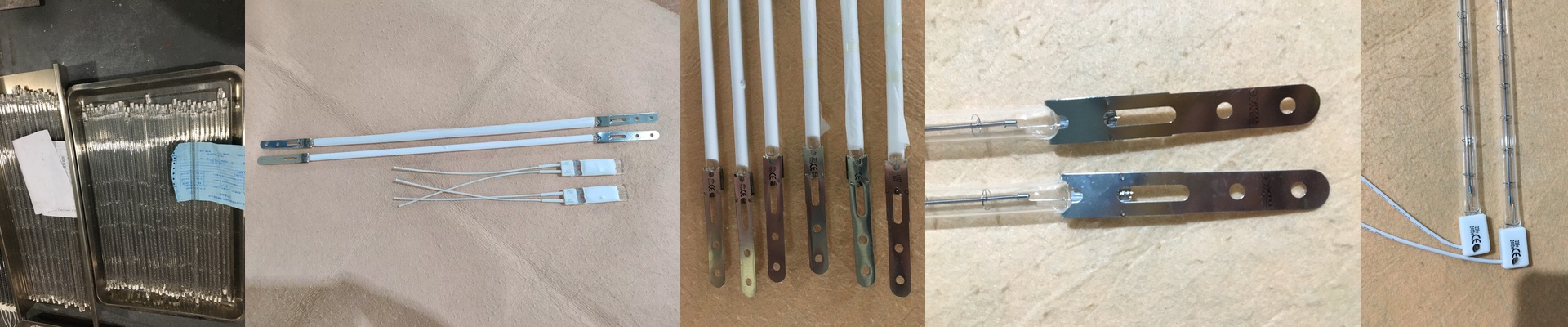
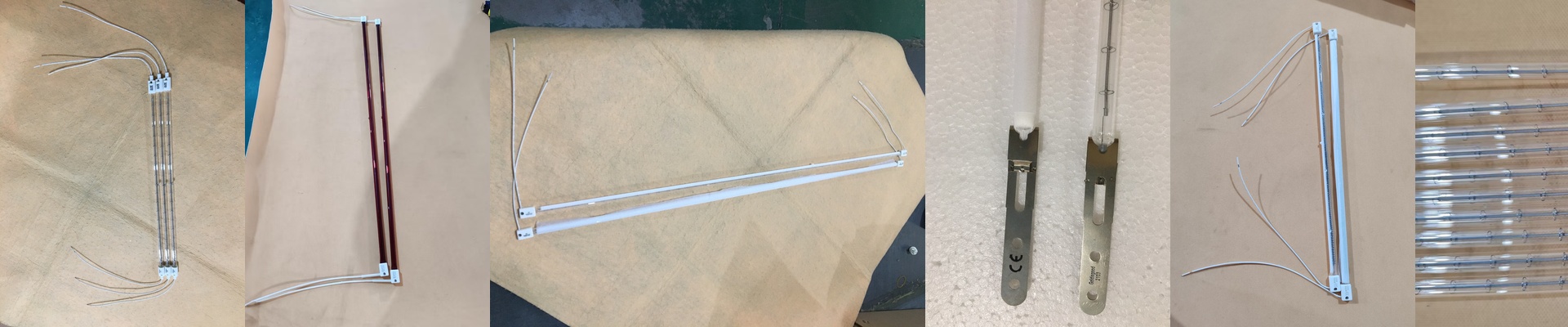
Here is the thing: every time you flip the switch, that quartz tube expands. When it cools down, it shrinks. Do that ten thousand times and you’ve got a real problem. That constant movement puts a ton of stress on the mounting points. If you’re using some cheap, low-grade alloy, the metal eventually just gives up. It reaches its limit and starts to deform. We handle this by using specific heat-treated alloys. We make sure the metal expands and contracts at almost the exact same rate as the quartz tube. That way, the bracket isn’t “fighting” the lamp every time it heats up. Plus, we use a floating mount. It basically gives the tube some room to breathe so it doesn’t push against the ends.
We break things so you don’t have to
We don’t believe in guessing. To make sure these things actually hold up, we run structural fatigue tests. We take the lamps and cycle them from room temperature to peak heat 20,000 times. Then we pull out the calipers and measure everything in millimeters. If the bracket shifts by more than 0.5mm? We scrap the material and start over from scratch.
The honest trade-off
I’ll be straight with you: using these high-grade alloys costs more upfront. Your initial bill is going to be higher than if you just used standard steel. But it’s worth it. It stops that slow “creep” that eventually snaps a lamp or shuts down your entire line for unplanned repairs. Just do me one favor:**watch your torque.**Make sure your mounting bolts are tightened exactly to our specs. If you over-tighten them, you kill that floating effect and bring back the exact same stress we worked so hard to get rid of.