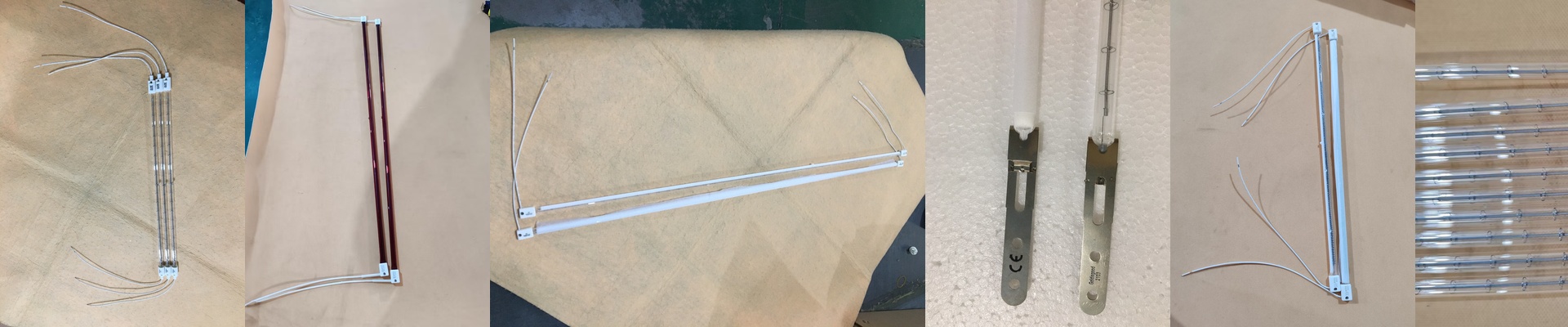
Let’s Talk Quartz Halogen Heating Tubes
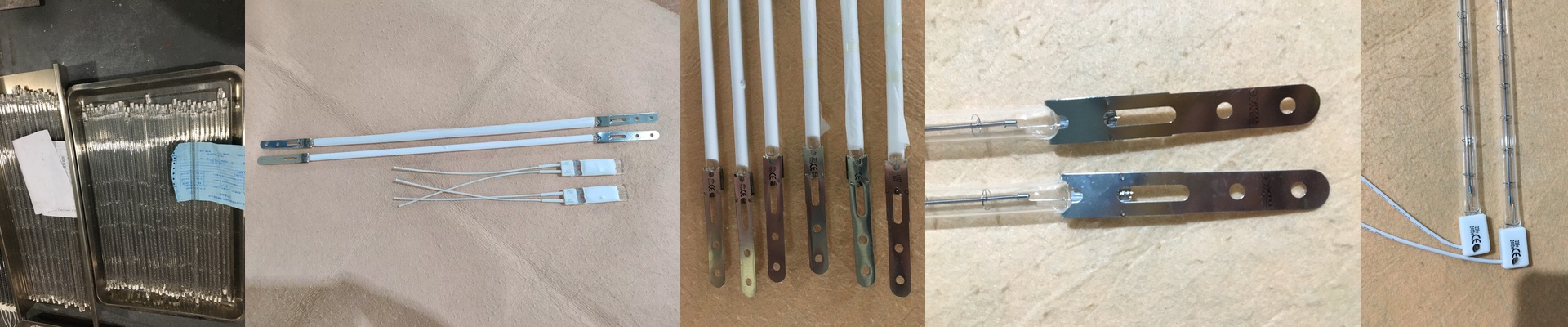
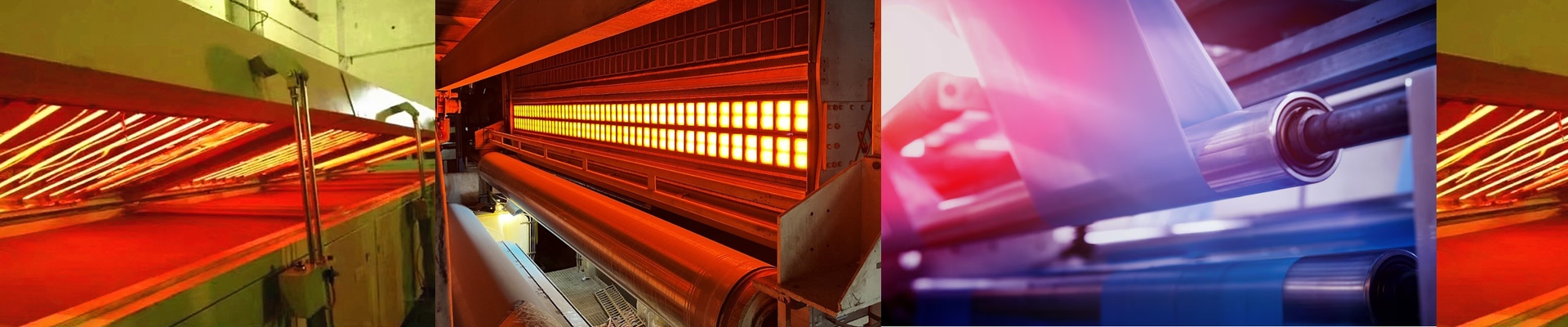
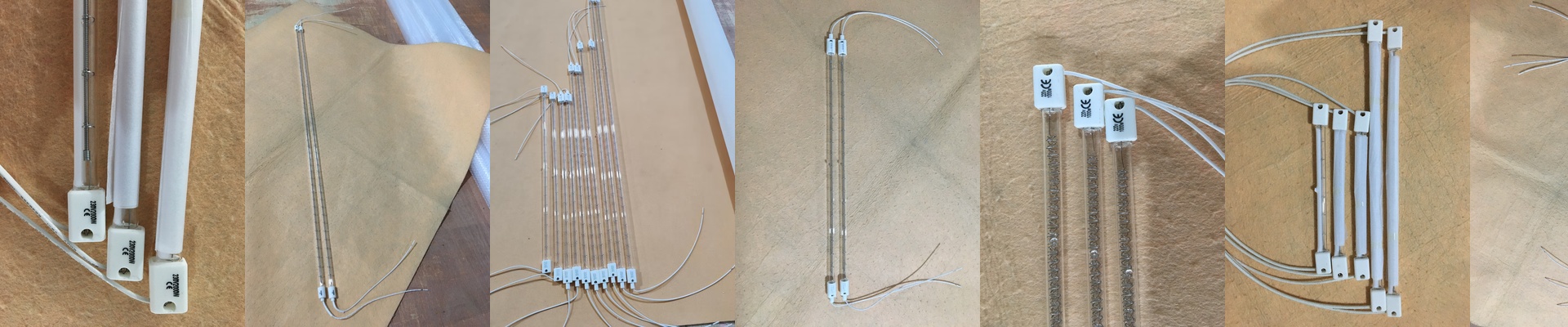
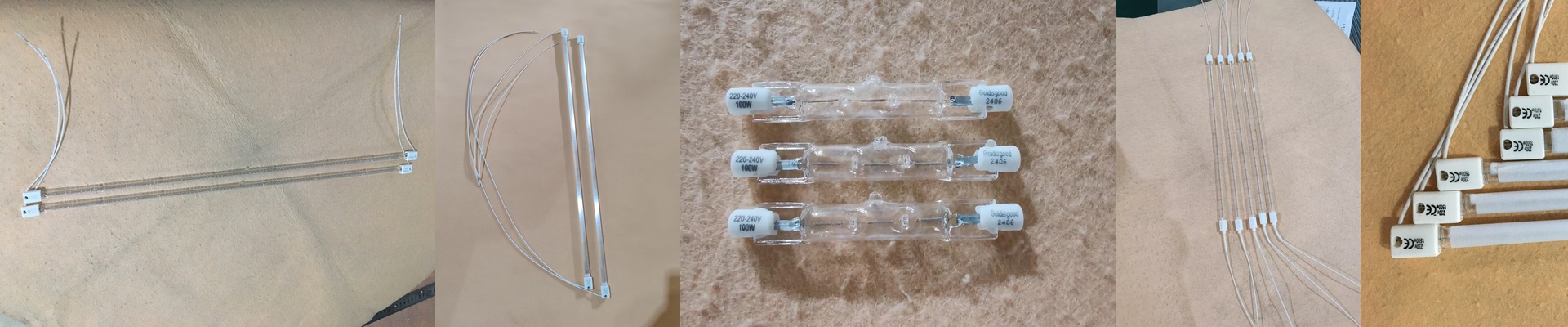
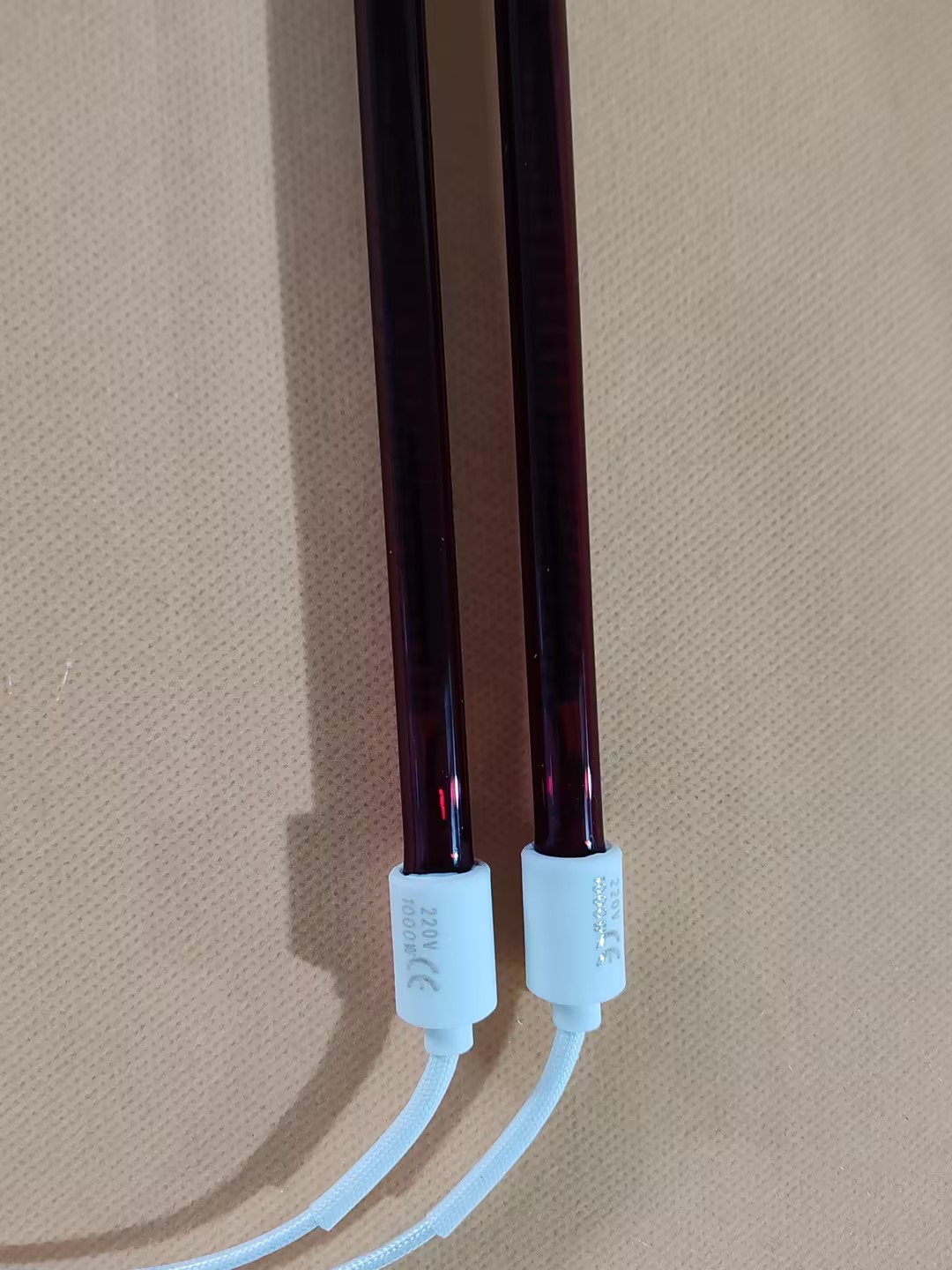
If you need to move heat fast, these are your best bet. Basically, we take a tungsten filament, tuck it inside a high-purity quartz tube, and pump in a halogen gas mix. Why the gas? It keeps the filament from burning out too quickly, even when it’s screaming hot. It’s a simple setup, but it’s incredibly effective. The deal with power and voltage Here’s the thing: your heat flux depends on how you balance voltage, wattage, and the length of the tube. If you cram a lot of wattage into a short tube, you get an insane amount of heat density. It ramps up almost instantly. If you’re running 400V systems, you can push more power through without worrying about your current loads getting out of hand. But a word of caution. High-density tubes are hard on your reflectors. If your reflectors are dirty or pitted, you’re just wasting energy. That heat ends up soaking into your chassis instead of hitting your target. Materials and the “fit” We stick with quartz because it doesn’t get in the way. It lets shortwave IR pass right through without absorbing it. Depending on what you’re doing, we can add coatings to shift the spectrum or keep the glass from getting gunked up by chemicals. For the plugs, we usually go with R7s or Sk15 connectors. They’re standard, so they should slide right into most industrial banks. Plus, they fit tight. You don’t want your tubes vibrating loose while the machine is humming along. Putting them to work You’ll see these in everything from PET blowing and powder coating to drying semiconductors. The whole point is to hit your target temp in seconds. Not minutes. Seconds. That’s how you actually shave time off your cycle. Just remember: these things runhot. Really hot. Make sure your cooling fans and housing can take the heat soak, otherwise, you’ll end up with warped mounting brackets. And for heaven’s sake, use the right thermal fuses. It’s a lot cheaper to replace a fuse than to deal with a total bank failure.