Making Industrial Curing Lamps That Actually Work
Let’s be honest: nobody wants to slow down their production line just because they switched lamp brands. We build our curing lamps to replace those expensive, big-name tubes without forcing you to throttle your speed. When you’re running an oven, consistency is everything. If your radiation density starts jumping around, your coating won’t bond. Simple as that. And when that happens, your scrap pile grows, and your day gets a lot worse.
The Heat Factor
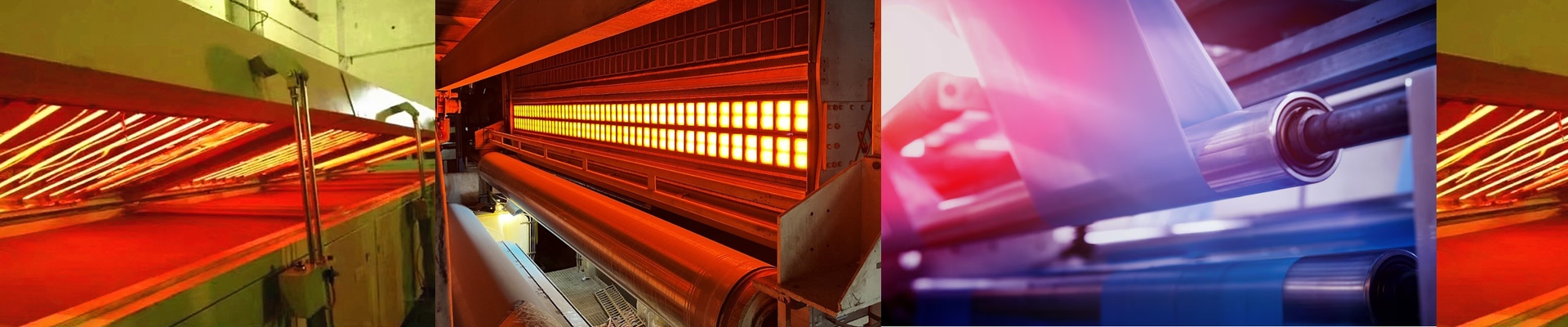
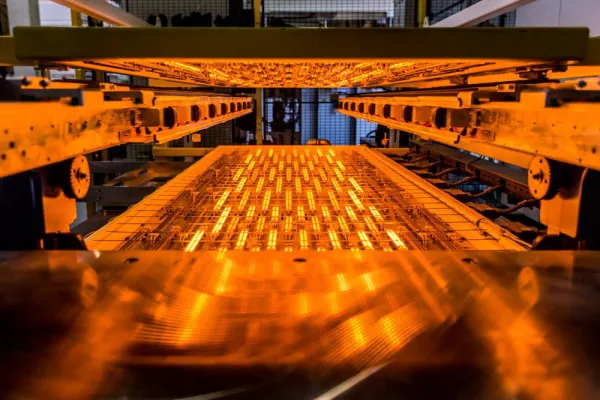
To get that rapid polymerization, you need serious heat. We dial in the voltage and length of our quartz tubes to hit the exact irradiance your material needs. It’s a lot of power in a small space. But here is the catch: when you push these tubes to the limit, you have to get your reflectors and cooling fans right. If your airflow is weak, you’re just asking for the ends of the lamp to burn out early. It’s a waste of money and a headache you don’t need.
The Nitty-Gritty: Quartz and Connectors
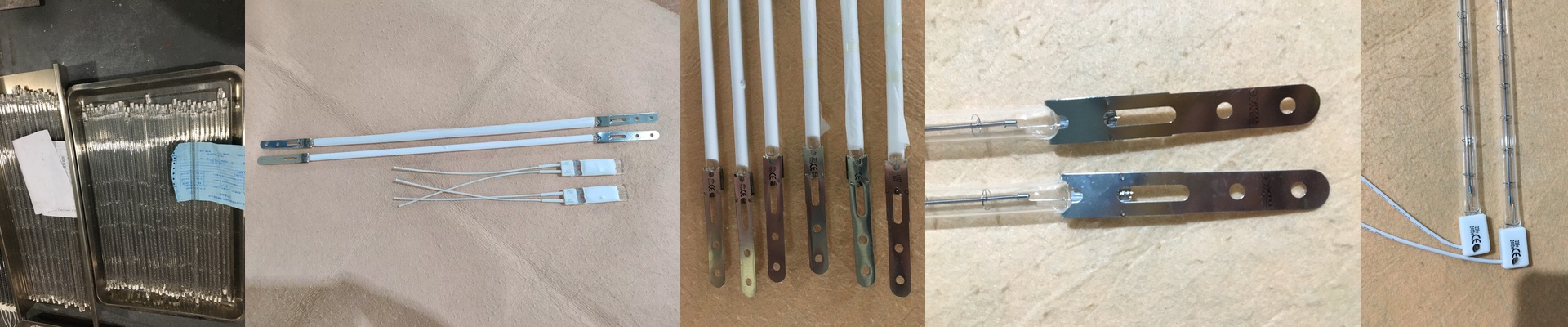
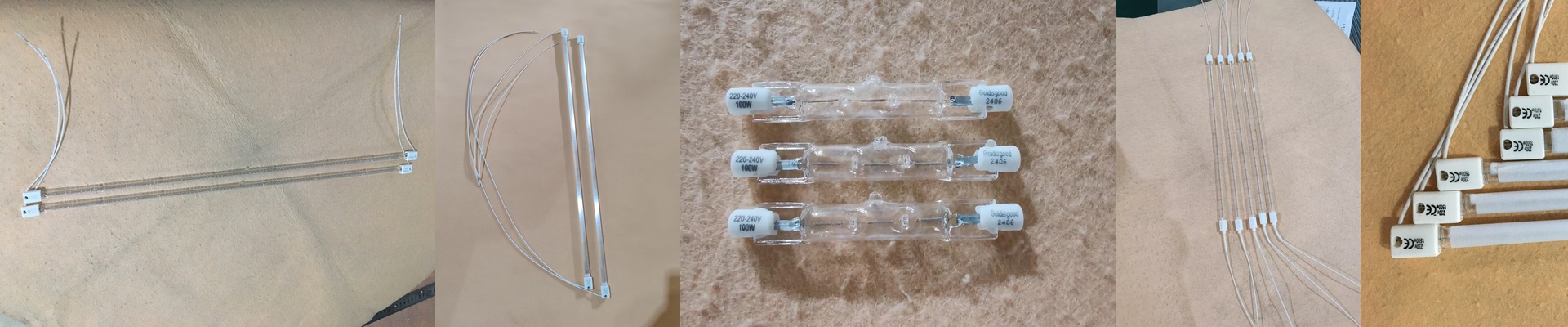
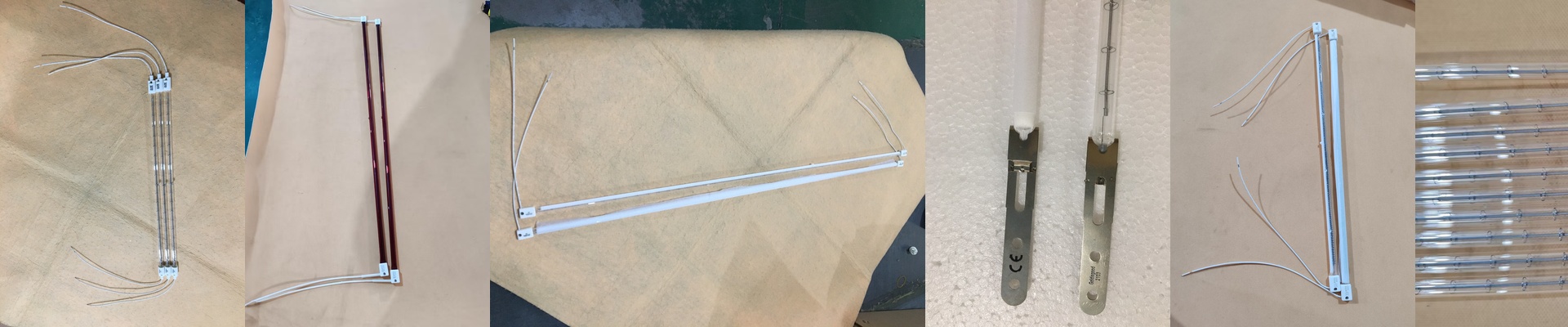
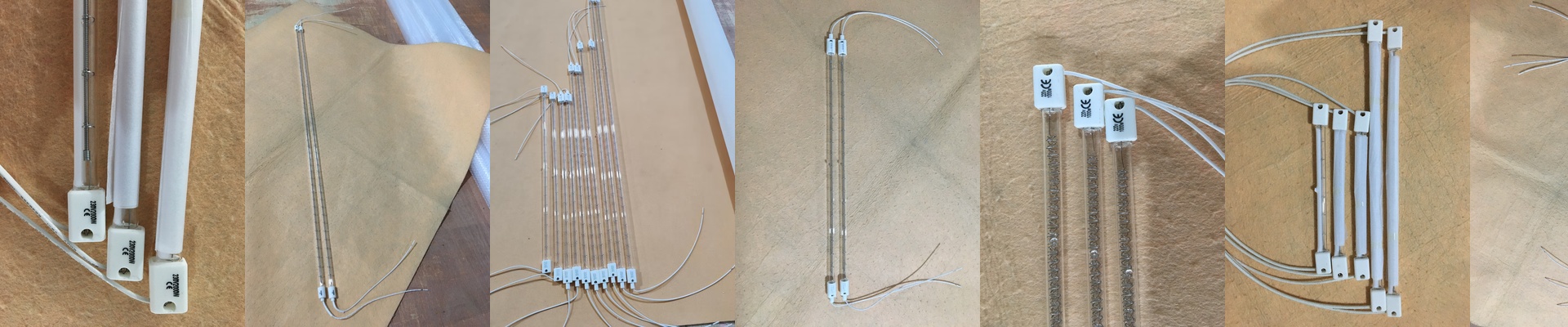
We use heavy-wall quartz. Why? Because thin tubes bow when they get screaming hot, and that ruins your focus. Then there are the connectors—whether you’re rocking R7s or Sk15. We machine these for a tight, snug fit. A loose connection creates arc points, and arc points melt sockets. We make sure the pins seat fully so you can plug them in, flip the switch, and stop worrying about them.
Does it Actually Perform?
Most generic tubes are a gamble. They look fine for a week, but then the spectral output drifts and your quality drops. We don’t guess. We benchmark our lamps against the industry leaders, looking specifically at curing depth and surface hardness. If your finished part isn’t just as hard as it was with the big-brand setup, the lamp isn’t doing its job. The goal is a drop-in replacement. You swap the tube, keep your cycle times exactly where they are, and get back to work.