Why Your Spray Line Lamps Keep Dying (and How to Fix It)
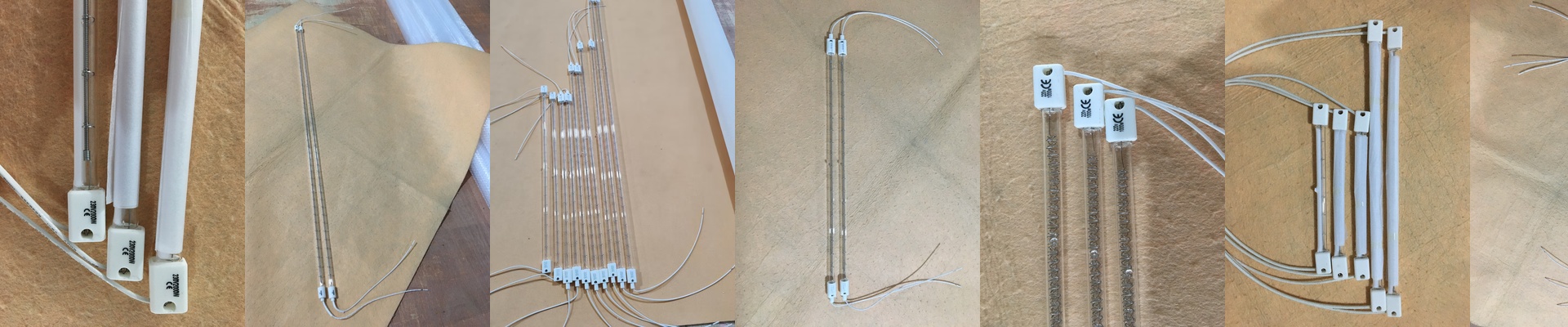
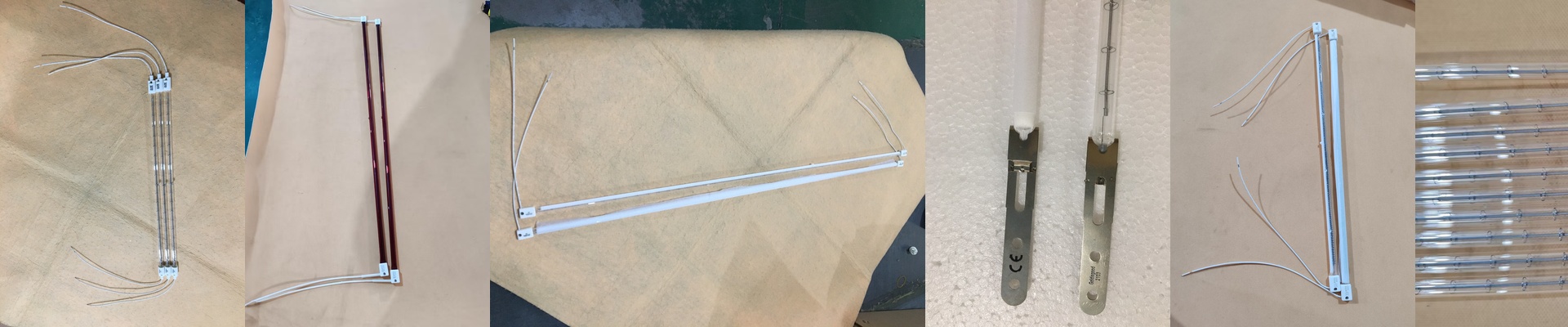
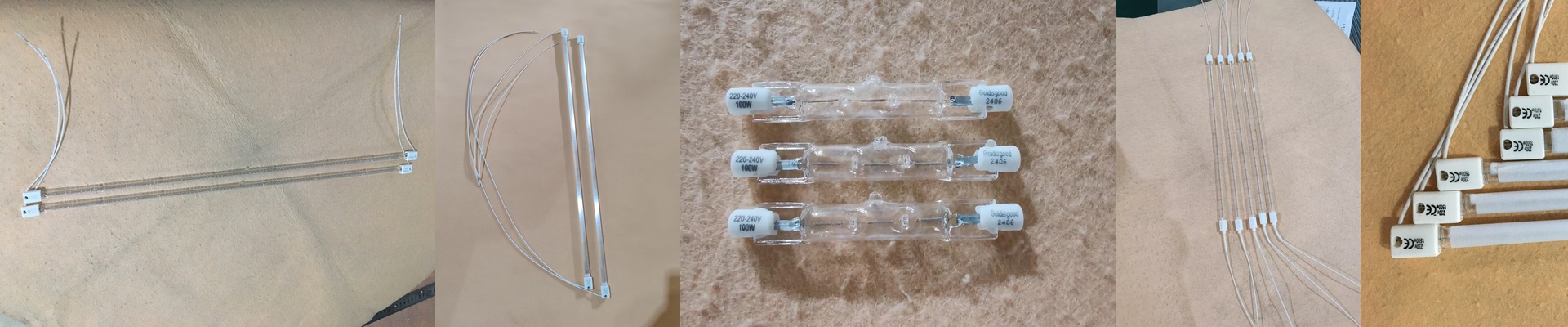
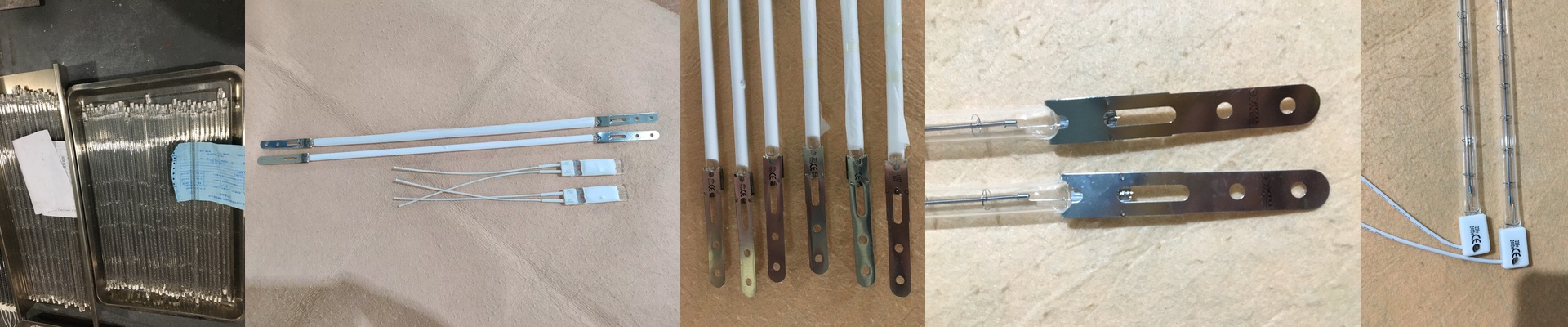
I’ve spent time in about 2,000 different spray coating shops. If there’s one thing I’ve noticed, it’s that people are tired of their lamps burning out at the worst possible moment. Look, you don’t need some “luxury” bulb with a fancy brochure. You just need a lamp that stays lit until the shift is over. Period. The Voltage Struggle Here is the thing about power: it has to be exact. If the voltage is too low, you lose that deep IR penetration. Your coating might look dry on top, but it’s still wet underneath. On the flip side, if you push too much voltage through, you’re basically evaporating the tungsten filament. It’s like running an engine in the red—it’ll go fast for a while, but it’s going to blow. We focus on keeping that voltage window stable. That’s how you get a bulb that actually lasts for thousands of hours without fading. Glass and Gear We use heavy-wall quartz glass because thin glass bows and warps when things get hot. It’s just common sense. For a lot of spray booths, we add a specific coating to the glass. This is a neat trick that shifts the heat. Instead of scorching the surface of the paint, it pushes the energy deeper into the part. You get a better cure without ruining the finish. And as for the connectors? We stick to R7s or Sk15 bases. Why? Because your maintenance crew shouldn’t need a degree in electrical engineering to change a bulb. No soldering, no rewiring. Just pop the old one out, drop the new one in, and get back to work. The Reality of the Shop Floor These lamps put out a massive amount of heat. It’s great for speed, but it’s brutal on your equipment. I’ve seen plenty of “high-quality” bulbs get fried because the reflectors were covered in grime or the cooling fans were choked with dust. When the heat has nowhere to go, it backs up into the socket and melts your wiring. The best bulb in the world can’t fix a clogged fan. Do yourself a favor: check your reflector alignment every few months. Make sure the heat is actually hitting your parts and not just baking your machine frame.