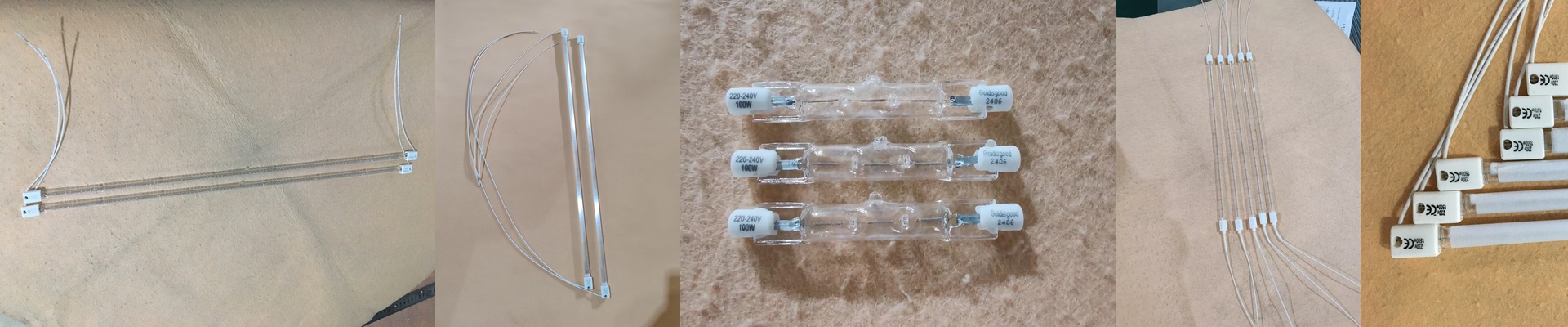
Keeping Your MS JP7 IR Lamps from Warping
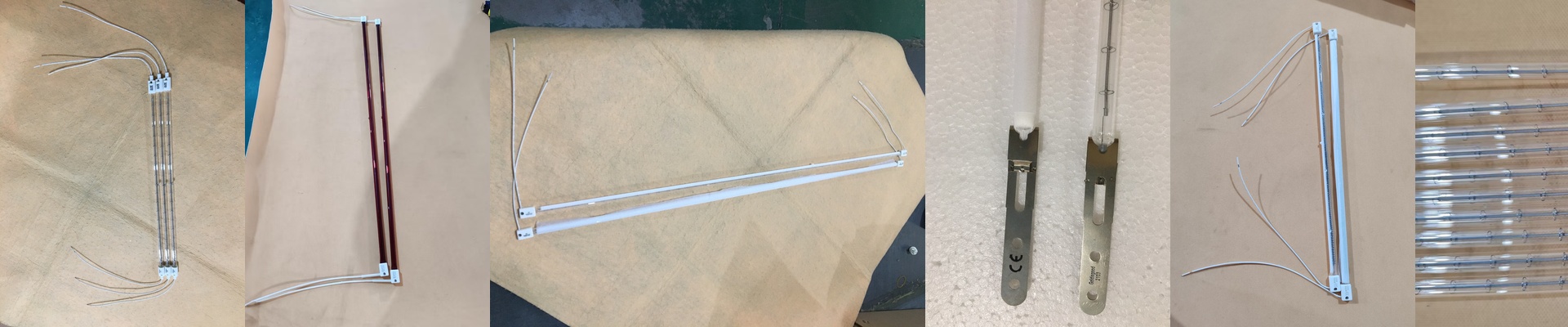
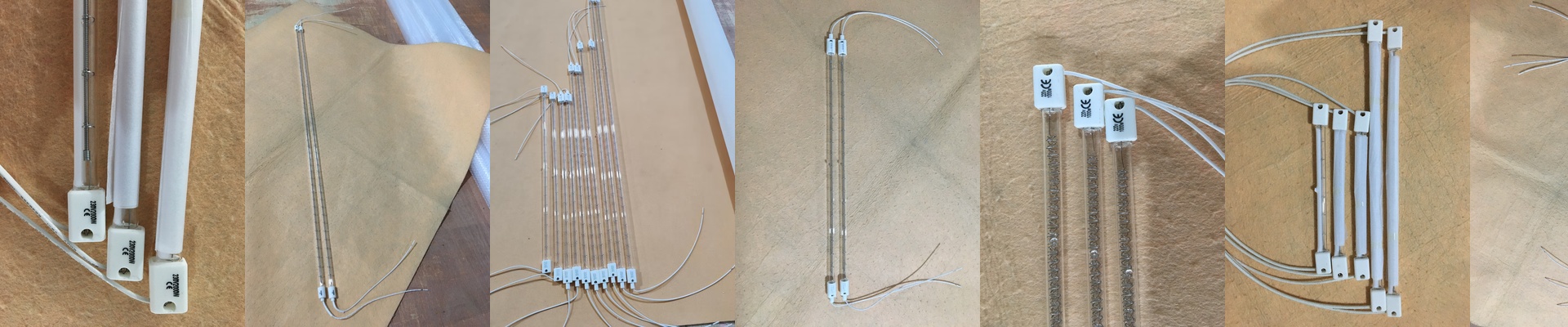
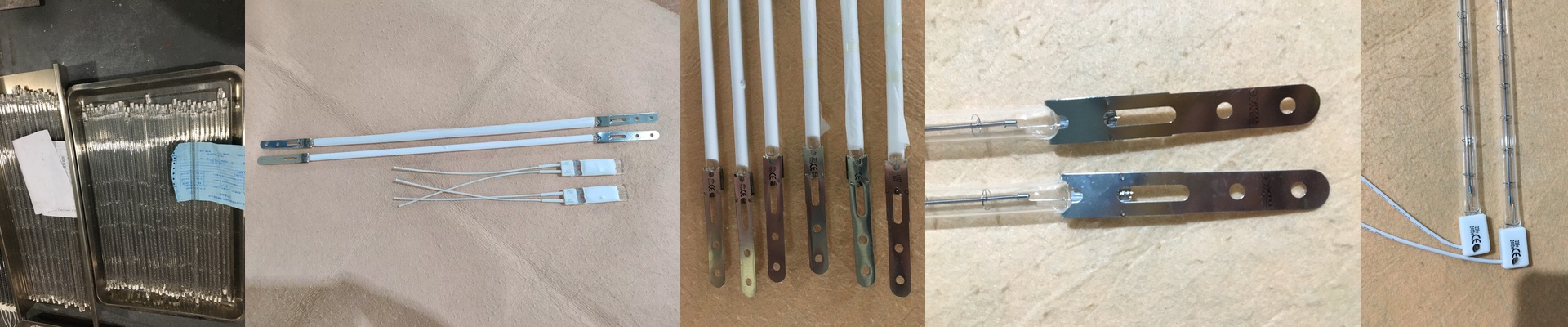
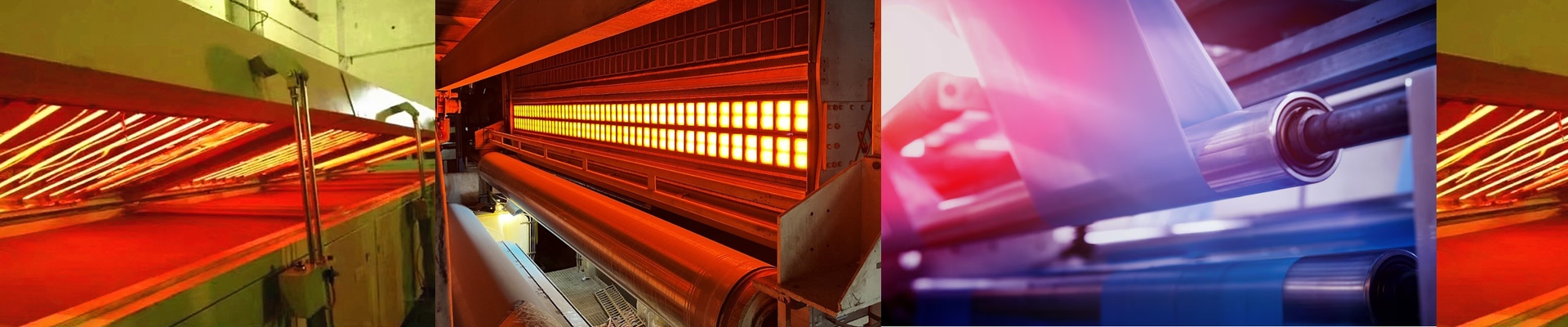
If you’re running IR lamps in a high-cycle environment, you know the deal. The constant heating and cooling is basically a tug-of-war happening inside the tube. Things expand, then they shrink. Over and over. With the MS JP7 series, the quartz usually holds up fine. The real headache is the filament support. If that support sags or shifts even a tiny bit, the filament hits the wall. And once that happens? It’s game over. The lamp burns out instantly. Dealing with the stress We spend a lot of time obsessing over how those supports handle fatigue. Most standard lamps use generic parts that just get soft when things get hot. We did things differently with the MS JP7. We used a specific alloy that stays stiff and strong, even when the core temperature spikes. We don’t just guess, either. We put these lamps through the ringer—rapidly flipping the power on and off to mimic the chaos of a real industrial floor. Why? Because if a support shifts by a fraction of a millimeter, you lose your focal point. That’s how you end up with a dead tube. The heat trade-off Now, the MS JP7 is a beast when it comes to output. But that kind of power comes with a catch: aggressive internal pressure and a lot of heat. You get massive IR energy, but your housing has to be able to breathe. If your cooling fans quit or some dust blocks the airflow, the heat just soaks in. At that point, it doesn’t matter what the supports are made of—the external heat will wear them down. A few tips for a longer life If you want these tubes to actually last, do me a favor:don’t over-tighten the end caps. When you crank them down too hard, you create tension points in the glass. That makes it way easier for the supports to shift when the lamp starts expanding. Just follow the voltage specs, make sure your PID controller isn’t jumping all over the place, and those supports should hold their shape until the lamp naturally reaches the end of its life.