
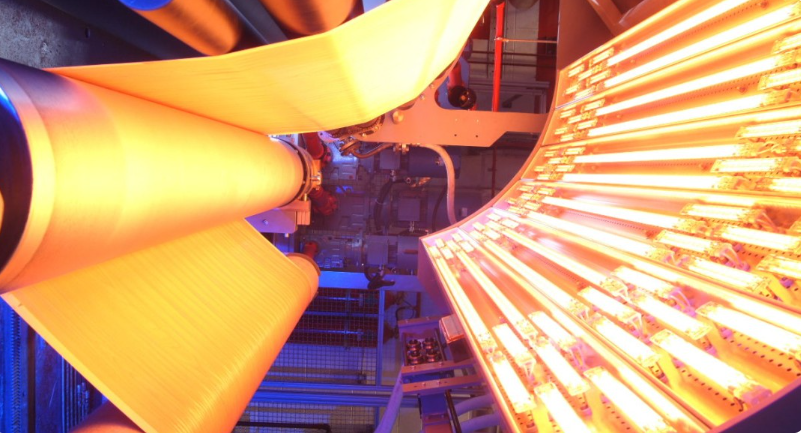
Getting the Heat Right in Textile Curing
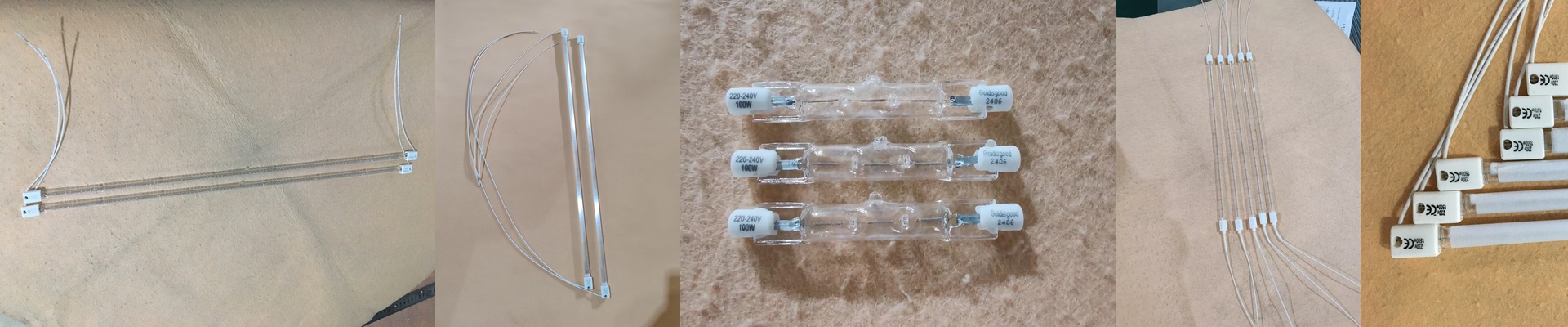
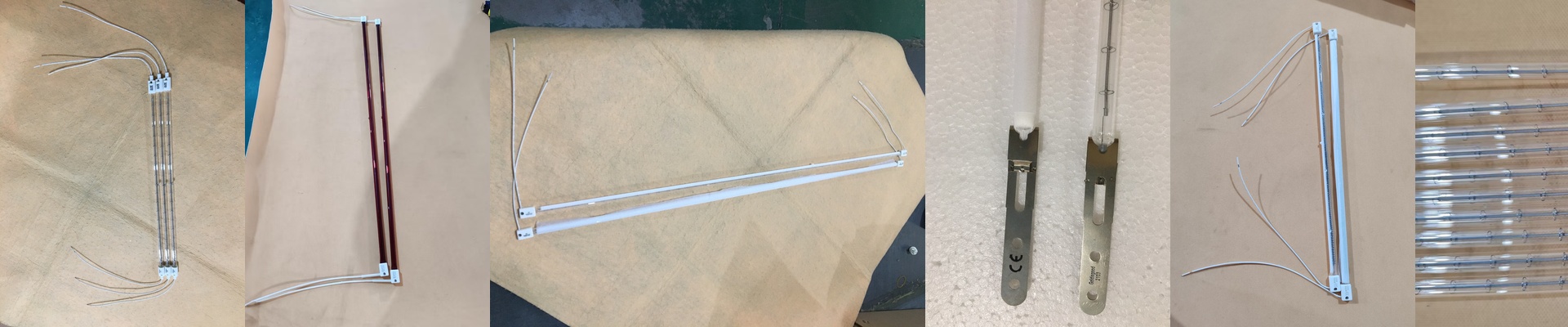
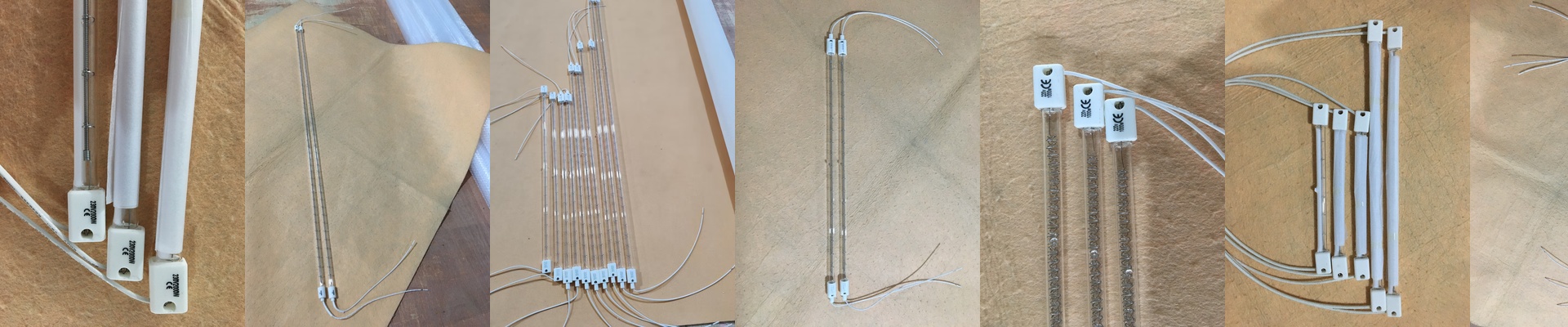
When you’re setting dyes or curing coatings, you’re walking a thin line. Too little heat and the finish won’t stick; too much, and you’ve just scorched a thousand yards of fabric. It’s a headache. That’s why we don’t use generic heaters. We use certified IR lamps that are built for the chaos of a high-throughput floor. These are designed to hit the exact absorption bands of your fibers, so the heat actually goes into the fabric instead of just warming the air around it.
The Balancing Act: Power and Voltage
Here is the tricky part: balancing your wattage and voltage against how fast your line is moving. If you’re running synthetic blends, you need those high-wattage tubes to get the fabric up to temp fast. But you have to be careful with your power supply. If the voltage is too low, you lose your punch and the IR intensity drops. Go too high? You’ll fry the filament. It’s a tight window. Get it wrong, and you’re replacing lamps way sooner than you should.
Quartz and Waves
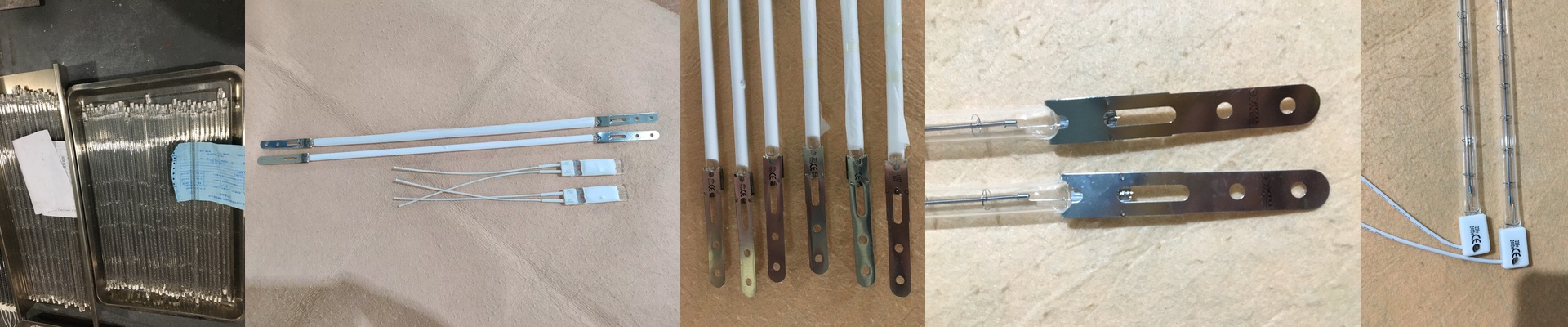
We use high-purity quartz because these lamps take a beating. They go from cold to scorching and back again, over and over. We also fill them with halogen so the glass doesn’t turn dark and cloudy over time. Depending on what you’re running, you’ve got two real choices: Short-waveis your best bet for thick piles where you need the heat to penetrate deep. Medium-waveis the way to go for surface drying.
Keeping Things Running
Luckily, these use standard connectors, so swapping one out is a quick drop-in job. One tip: check your reflector alignment every few months. If the reflector is off, you’re just wasting electricity and—even worse—creating hot spots that can ruin your fabric. And please, don’t forget about your fans. I’ve seen too many engineers push for maximum heat density without thinking about the airflow. If your cabinet ventilation is weak, your sockets will cook. We’ve actually seen connectors literally melt because the cooling couldn’t keep up with the power. Keep your thermal load and your cooling in sync, and your line will keep humming.