Why IR Beats Hot Air for Thick Fabrics
If you’ve ever tried to dry or cure thick composite textiles using hot air, you know the frustration. You hit a wall pretty quickly. See, hot air is a slow crawl. It heats the surface first, and then you just… wait. You wait for that heat to slowly seep through the layers. The problem is, by the time the center of the fabric actually gets warm, the outside is often singed or completely over-dried. It’s a nightmare to balance.
Heating from the inside out
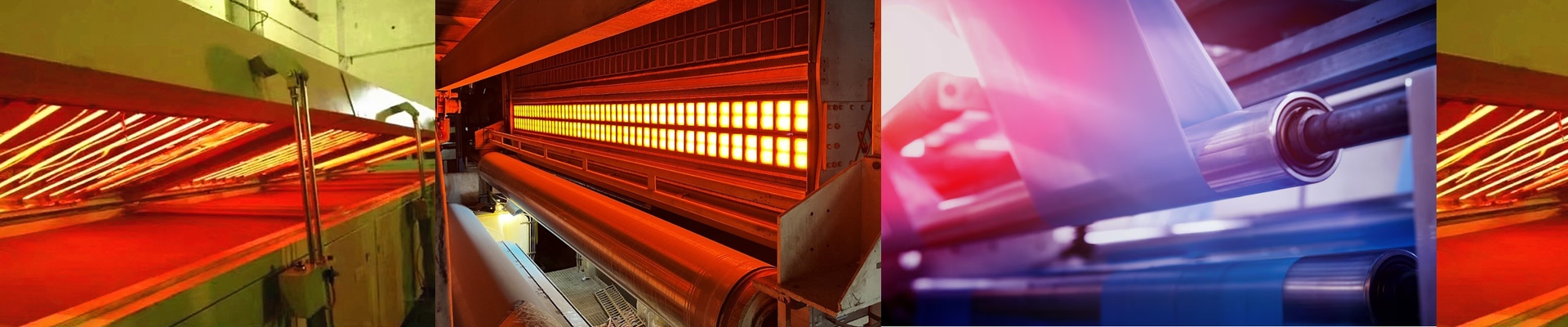
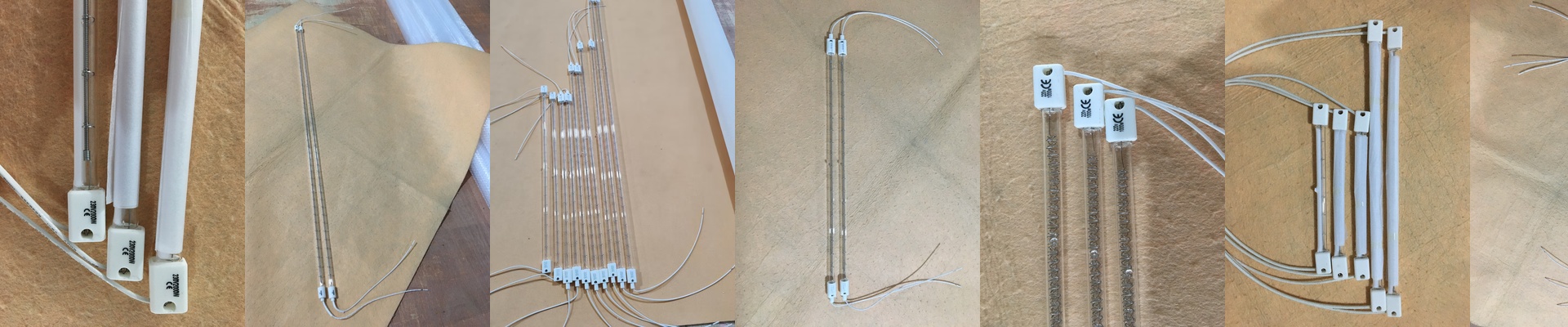
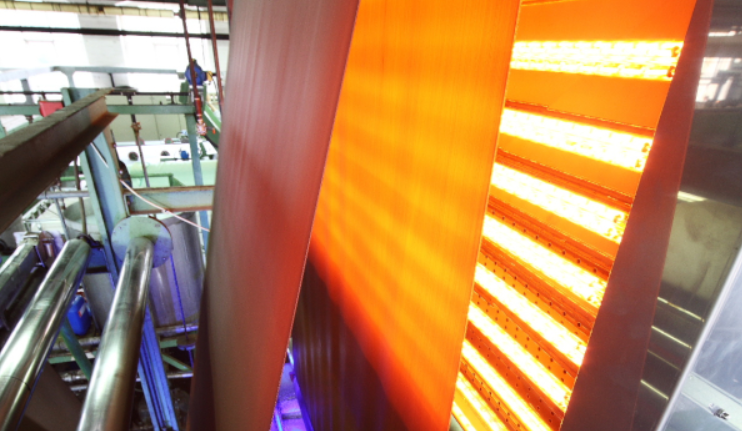
That’s why we lean on infrared (IR) lamps. They don’t care about the air around them. Instead of pushing heat from the outside in, IR sends electromagnetic waves straight into the material. These waves dive deep into the fiber matrix and get absorbed directly by the molecular bonds. It basically makes the fabric generate its own heat. No more waiting around for the temperature to “travel.” You just get it done.
Finding the right “depth”
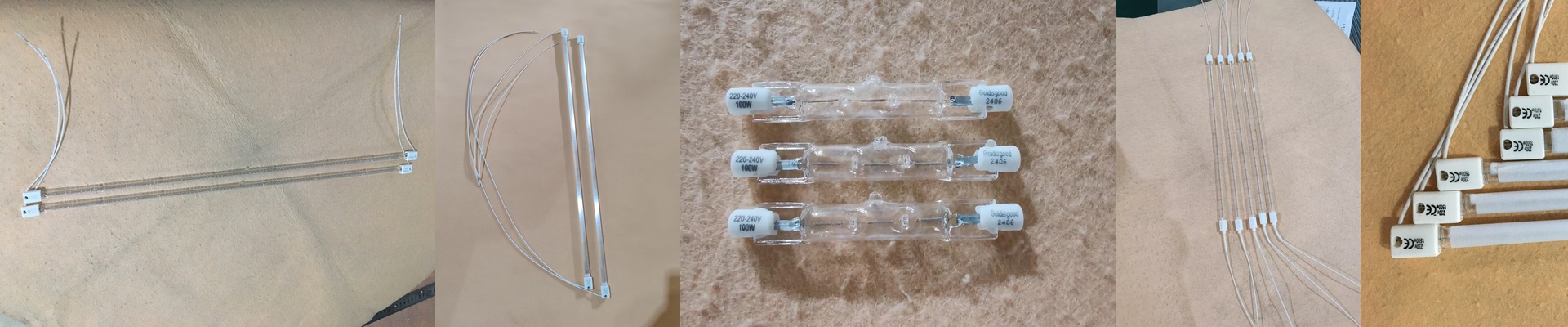
Now, not all IR is the same. You’ve got short-wave and medium-wave, and they behave differently. If you’re working with dense, multi-layer composites, you have to match the lamp to the material. If the wavelength is too short, it just bounces off. Too long, and you’re back to only heating the “skin” of the fabric. When you nail the wavelength, the energy hits the core of the composite without cooking the surface. It’s a much cleaner process.
The catch (because there’s always one)
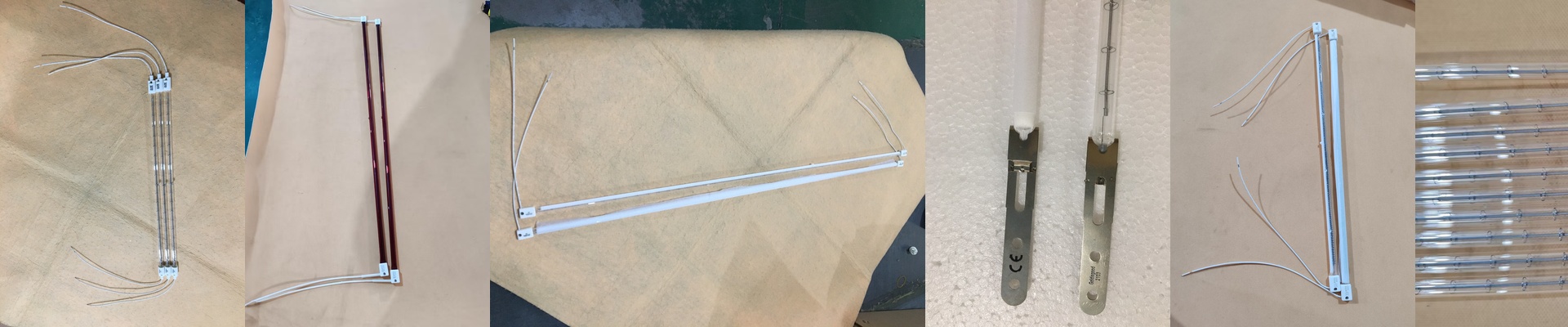
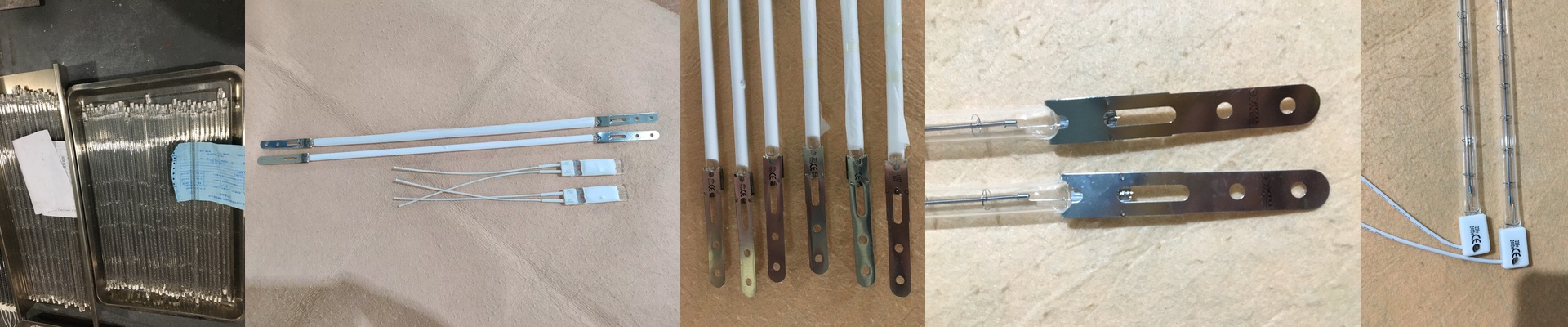
IR is fast. Really fast. But it isn’t magic, and it can be a bit temperamental. Because the heat happens so quickly, you can overshoot your target temperature in a matter of seconds if you aren’t paying attention. You can’t just “set it and forget it.” You need tight PID control and pyrometers that actually work. And a pro tip: if you’re running a high-wattage array, don’t skip the cooling jackets on the lamp ends. If you do, you’ll fry your connectors. Since everything happens so much faster, your line speed has to be spot on. There’s less room for error, but the results are worth the extra attention.