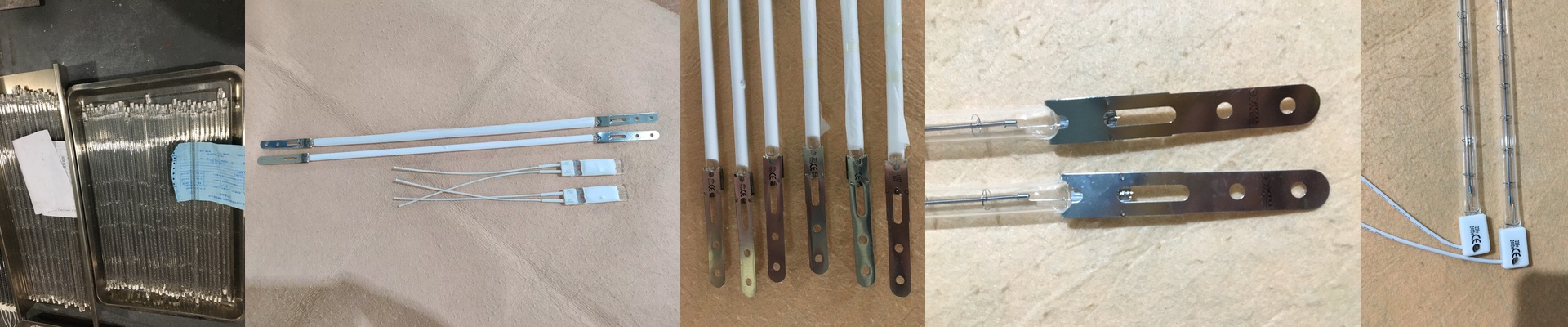
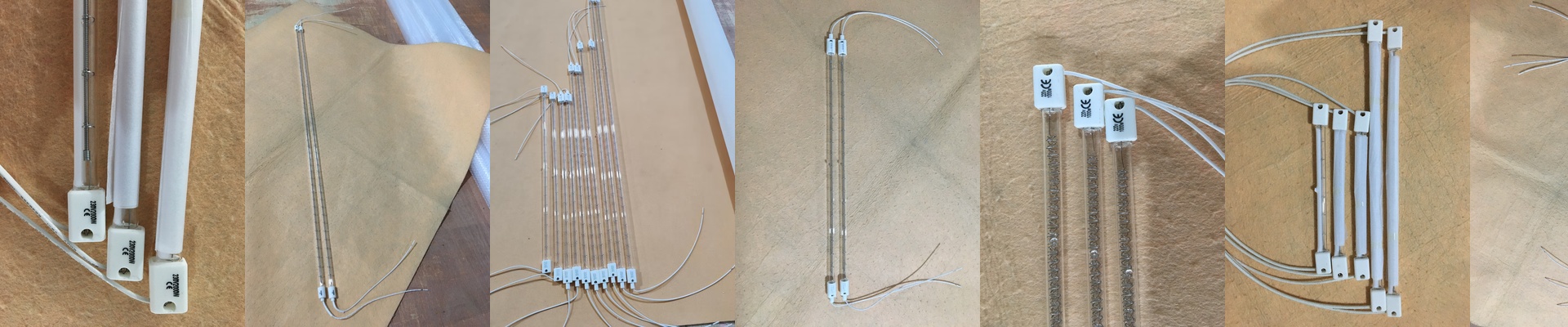
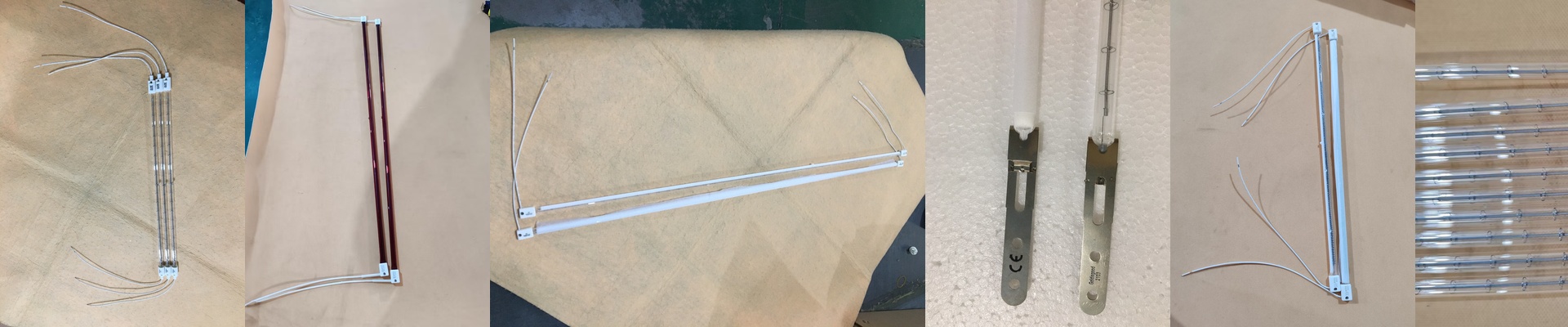
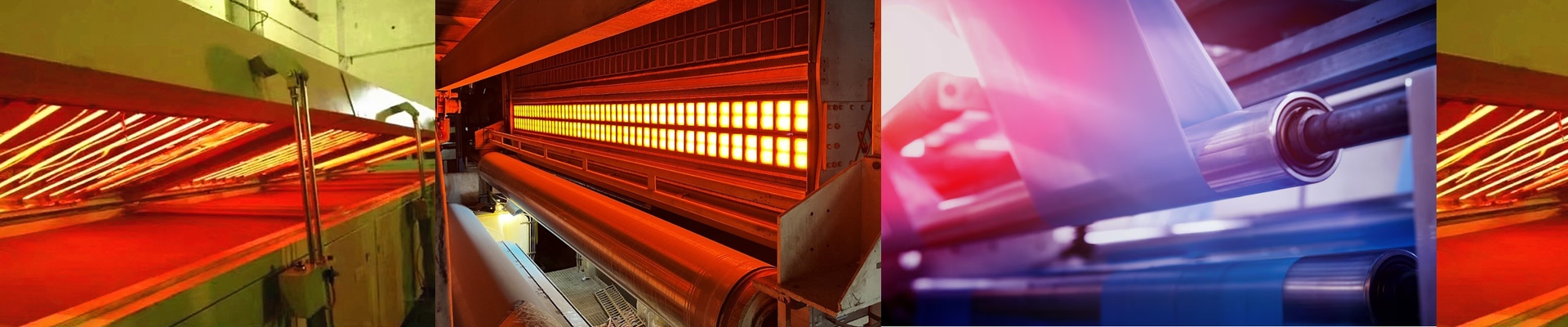
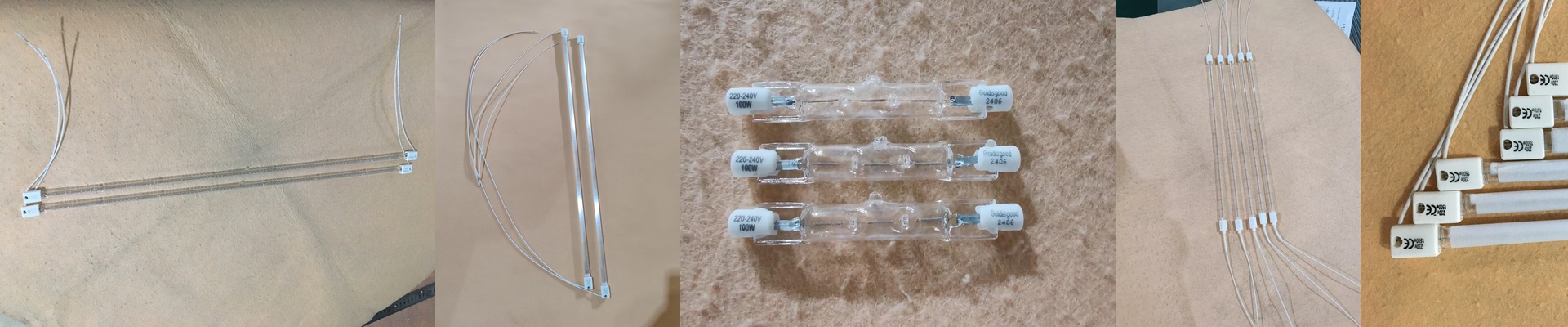
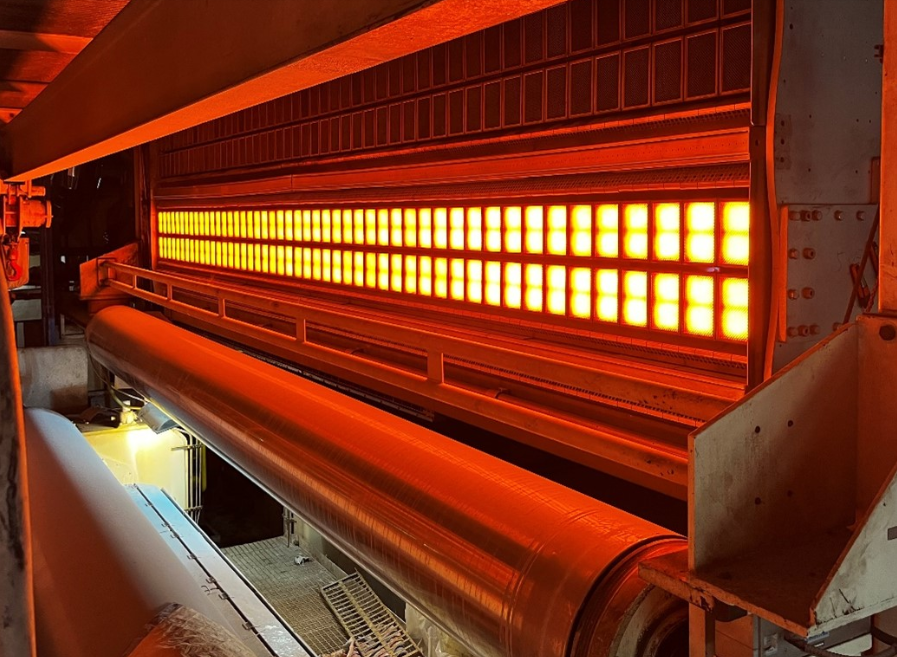
Picking the right IR lamp for textile coating isn’t just a matter of cranking up the wattage. It’s really about where that heat actually lands on the fabric. If you’re building a big stenter frame or a curing oven, you’re fighting a constant battle with consistency. One tiny cold spot and your coating doesn’t cure. One hot spot and you’ve just scorched a roll of expensive fabric. It’s a nightmare. Stop guessing with digital twins We’ve stopped the “wire it up and hope for the best” approach. Honestly, spending days on the floor manually adjusting lamps is a waste of everyone’s time. Instead, we build a virtual version of the oven first. We plug in the lamp’s output and how the fabric absorbs heat, then let the software run thousands of scenarios. It finds the perfect angles and positions to keep the temperature flat across the whole web. We find the “dead zones” on a screen before a single bolt is even tightened. The balancing act Now, shortwave lamps are great for thick coatings because they hit hard and fast. But there’s a catch. That kind of power puts a ton of stress on your electrical panels. Plus, you risk burning the substrate if you aren’t careful. You also have to get your cooling blowers exactly right. If the airflow is off, the quartz tubes just overheat and pop. Making it work on the floor The best part about doing the simulation first? Your oven can actually be smaller. By tweaking the reflection angles, we can usually get the same cure rate with fewer lamps. That means your power bill stays lower. Once you move from the computer to the shop floor, you aren’t starting from scratch. The simulation gives you the exact baseline for your PLC settings. You’ll know exactly how much wattage you need per meter to hit your speed without breaking a sweat.