Why Your IR Lamps Keep Dying (and How to Actually Fix It)
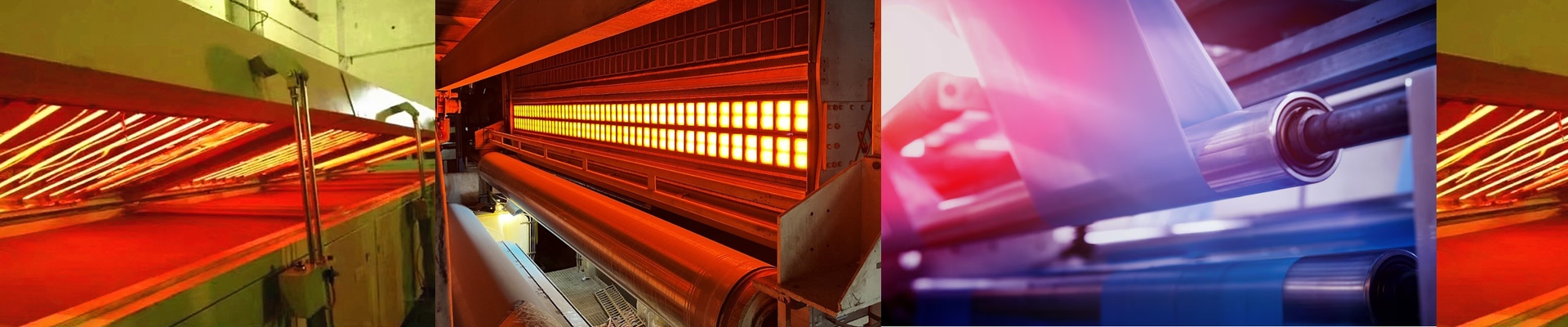
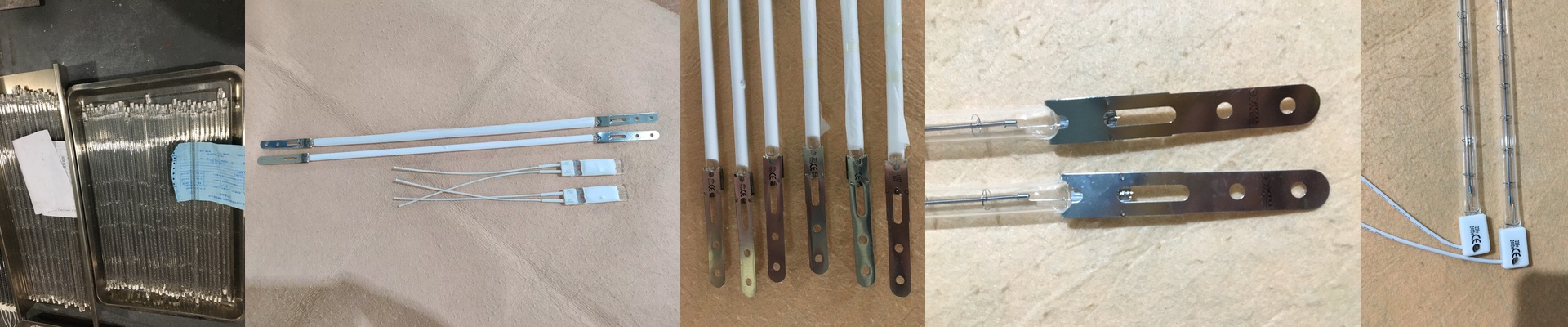
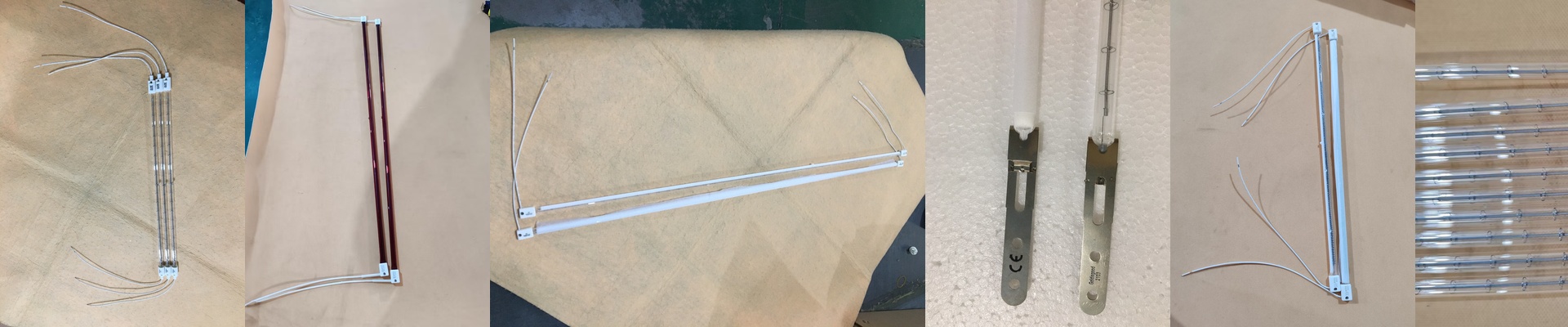
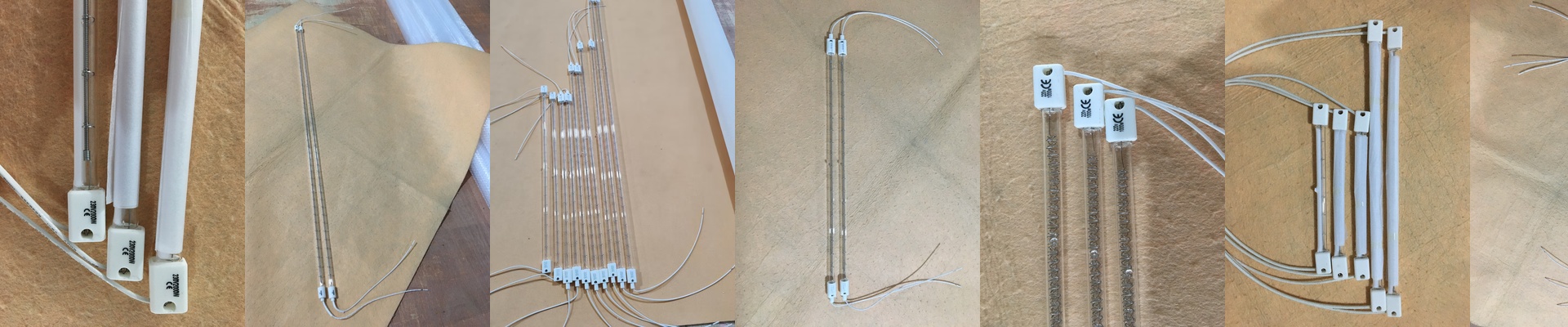
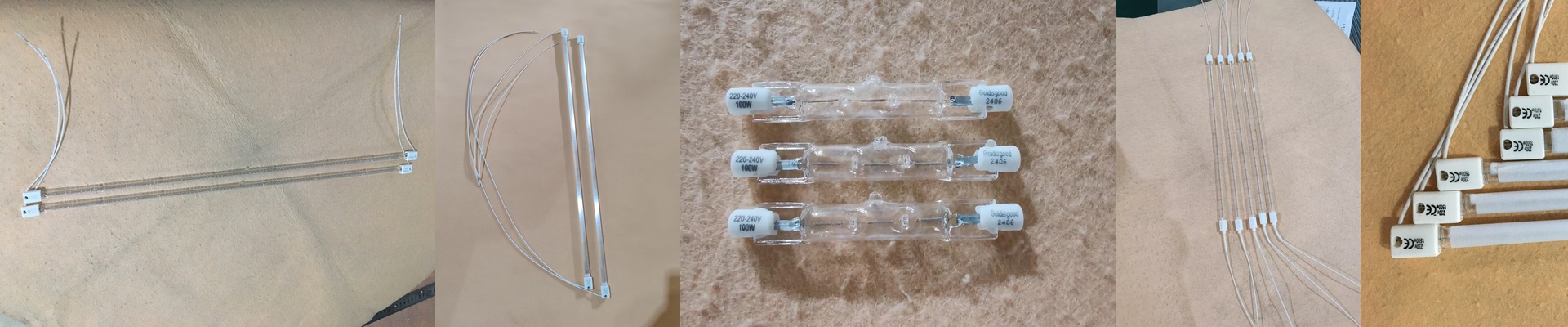
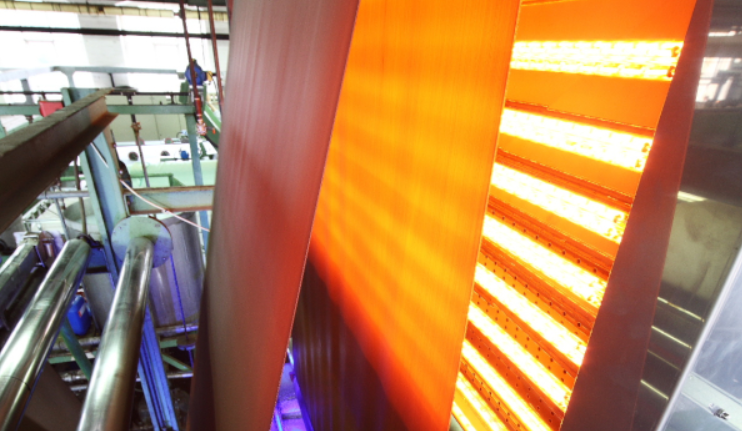
We’ve spent time auditing about 2,000 different dyeing and printing workshops. If there’s one thing we learned, it’s that there is a massive gap between what the lab says a lamp can do and what actually happens on a messy, loud shop floor. Too many people buy standard lamps only to watch them burn out way too soon. Why? Because they aren’t built for the actual thermal stress of a continuous textile line. The heat density problem When you’re curing a coating, you need a specific kind of heat—the kind that sinks deep into the fabric without scorching the surface. That’s why we lean on short-wave and medium-wave quartz emitters. You need power. Lots of it. If you put a 2000W tube over a 300mm footprint, you get that instant, aggressive ramp-up. It’s the only way to keep your line speeds fast. Low-density heaters just can’t keep up; they’ll leave you lagging. The guts of the lamp We use heavy-wall quartz glass. It sounds like a small detail, but it’s huge. Halogen-filled tubes create a lot of internal pressure, and cheap glass bows under the heat. Heavy-wall glass stays straight. As for the connectors, we stick with R7s or SK15 bases. They just work. They’re easy to swap into most industrial rigs and they lock in tight. You don’t want a conveyor belt vibrating your electrical contacts loose—that’s how you get arcing, and that’s how things break. The stuff they don’t tell you in the manual Here’s the thing: a great lamp is only half the battle. High-output tubes throw a ton of heat, but if your reflectors are pitted, dusty, or just plain old, you’re wasting your money. You could be losing 30% of your energy to the ceiling. It’s like trying to shine a flashlight through a dirty lens. And then there’s the wiring. If you’re running a long bank of 230V or 400V lamps, you can’t skimp on the cables. Use heavy-gauge wiring. If your voltage dips even a little, your cure rate tanks. You’ll end up with tacky, sticky coatings that fail quality checks and leave you staring at a pile of wasted fabric. Keep the power stable, keep the reflectors clean, and your line will actually run the way it’s supposed to.