Getting Your Monforts Stenter Heating Right
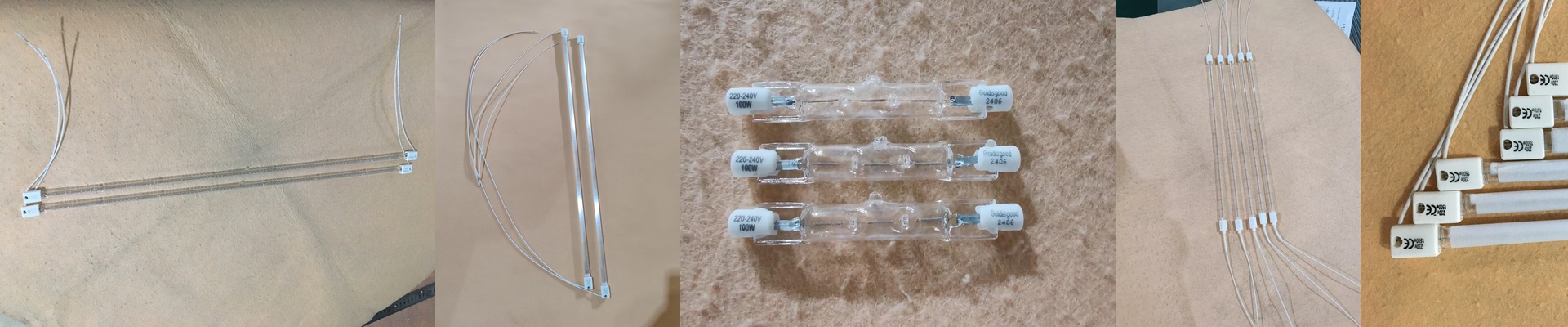
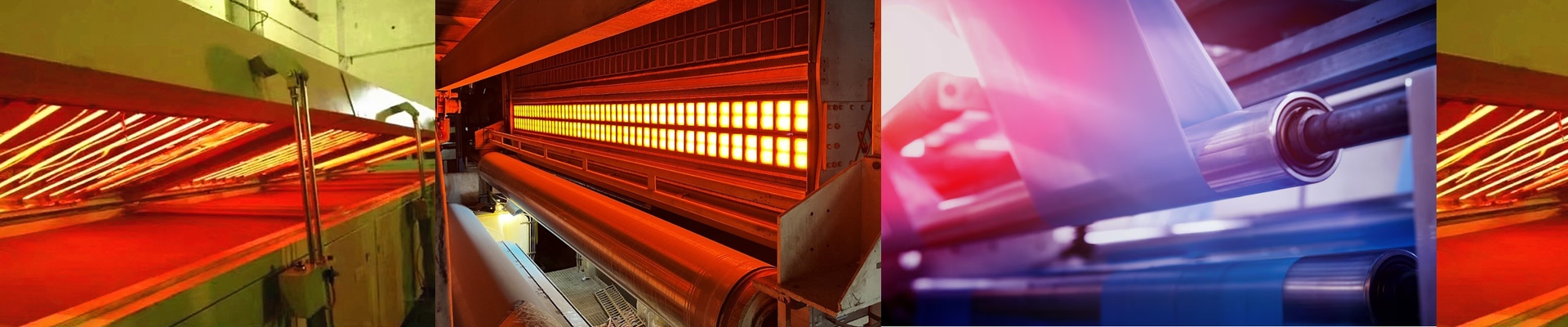
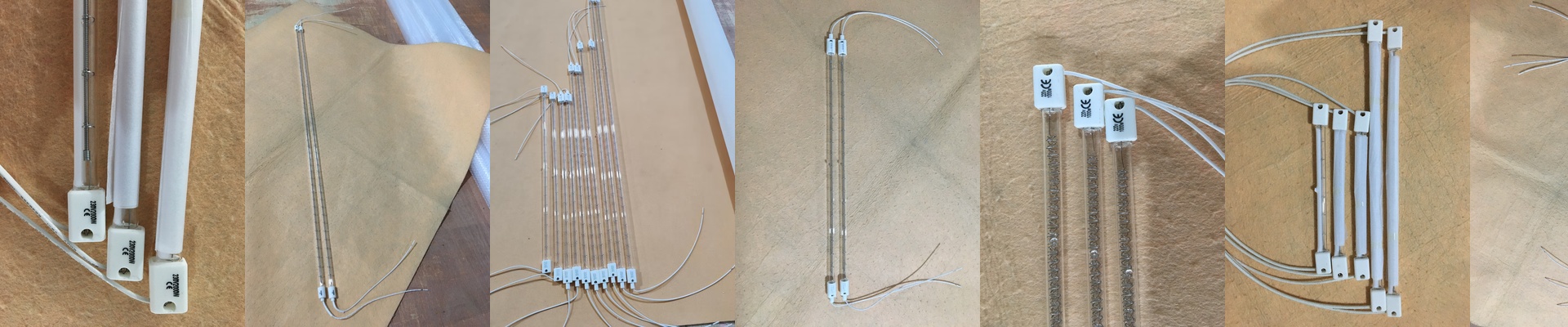
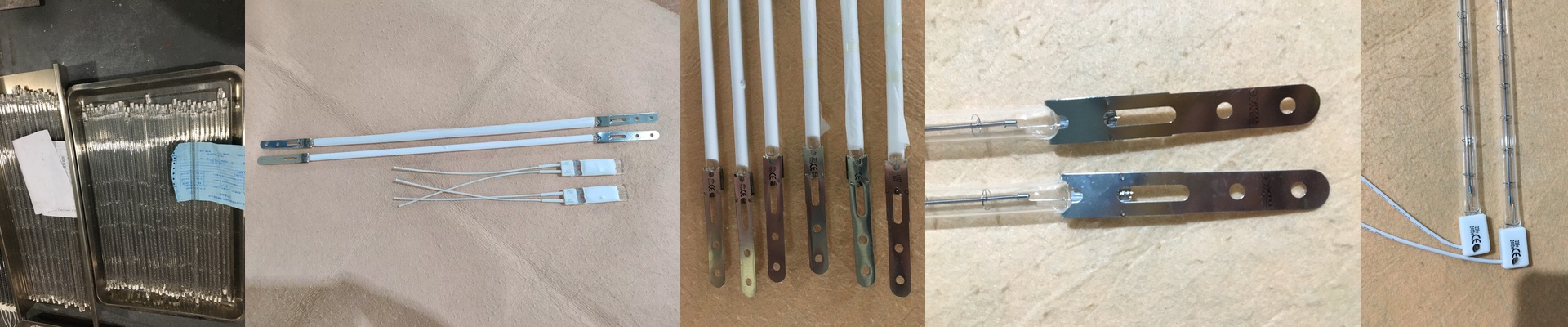
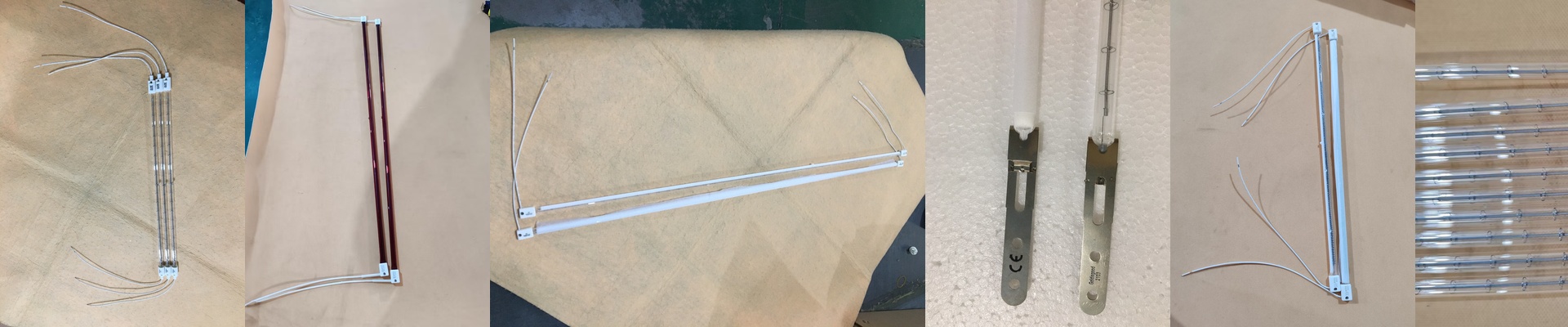
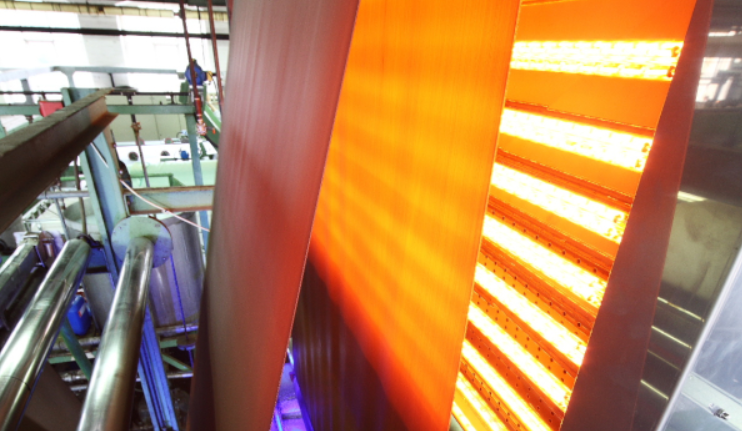
Look, we aren’t just here to ship you a box of replacement tubes and call it a day. We care about what’s actually happening on your shop floor. When you’re pushing your Monforts stenter at high speeds, those IR lamps are basically the engine of the whole operation. If the wattage is slightly off or the wavelength isn’t right, you’re going to end up with patchy drying and a power bill that makes you cringe. The heat side of things You need a ton of heat to set the fabric, but you can’t be scorching the edges. It’s a delicate balance. We make sure our lamps match the exact voltage and length of your specific machine. We lean toward high-wattage shortwave lamps because they punch through to the core of the fiber much faster. This means you can move the fabric through quicker and shorten your heating zones. It just makes the whole process leaner. Why the build quality matters We use heavy-wall quartz. Why? Because rapid heating and cooling is brutal on a lamp. If the glass is too thin, it’ll pop. Most of our tubes for Monforts use halogen gas fills. It stops the filament from evaporating too fast, which means the lamp actually lasts. We also obsess over the connectors. If a plug is loose or the spec is off by even a couple of millimeters, you’ll start seeing arcing at the terminals. That’s a headache nobody needs. The reality check Here’s the thing: high-intensity lamps are great for productivity, but they aren’t magic. They put a lot of pressure on your cooling fans and electrical panels. You can’t just crank up the wattage to speed up production and hope for the best. If your ventilation is clogged or your power supply is struggling, those lamps are going to overheat and burn out way too soon. We’ll help you figure out the sweet spot—balancing that heat output with what your machine can actually handle—so you don’t end up with unplanned downtime in the middle of a big run.