
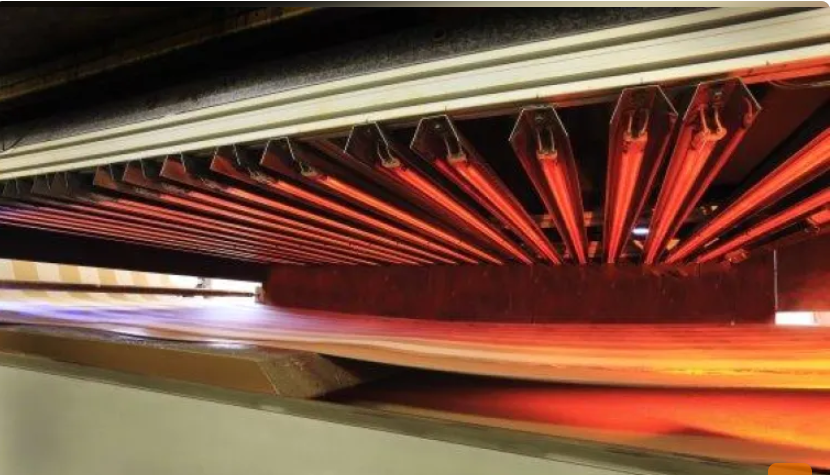
Why Most IR Lamps Fail Your Fabric (and How We Fixed It)
Most IR lamps are basically just big heaters. They blast heat everywhere and hope for the best. But fabric is tricky. Polyester, nylon, and cotton all “drink” energy differently. If your lamp isn’t tuned to the specific fiber you’re using, you’re just wasting electricity. Worse, you end up scorching the surface of the cloth while the inside stays ice cold. It’s a frustrating way to run a line.
Getting the Wavelength Right
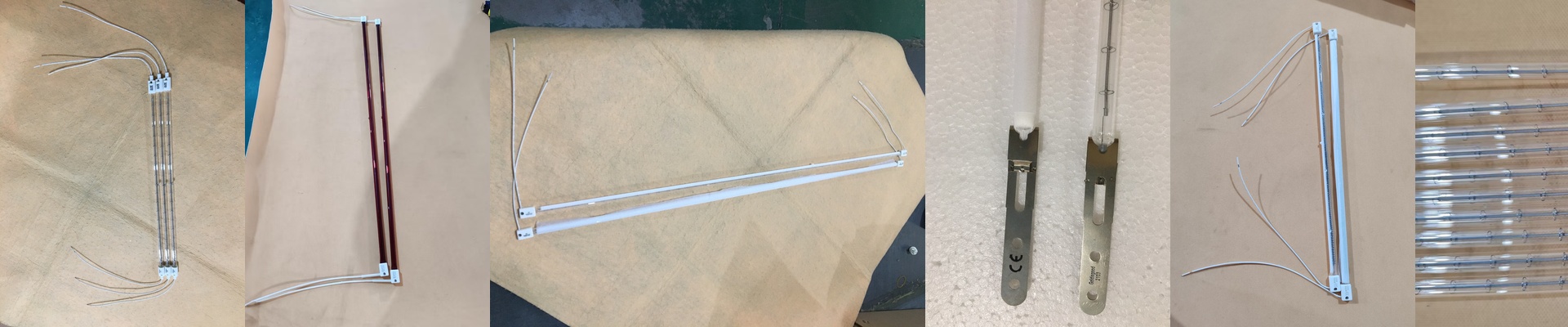
We don’t just build a lamp; we tune it. We tweak the filament and the quartz glass so the heat hits the exact spot where the fabric actually absorbs it. Think of it like this: short-wave IR is for the heavy stuff—it punches deep into thick fabrics. Medium-wave is your go-to for surface drying. We use a special doped quartz to filter out the “noise”—those useless wavelengths that don’t help you. This stops that dreaded burn-through that happens with generic, off-the-shelf lamps.
The Nitty-Gritty: Power and Heat
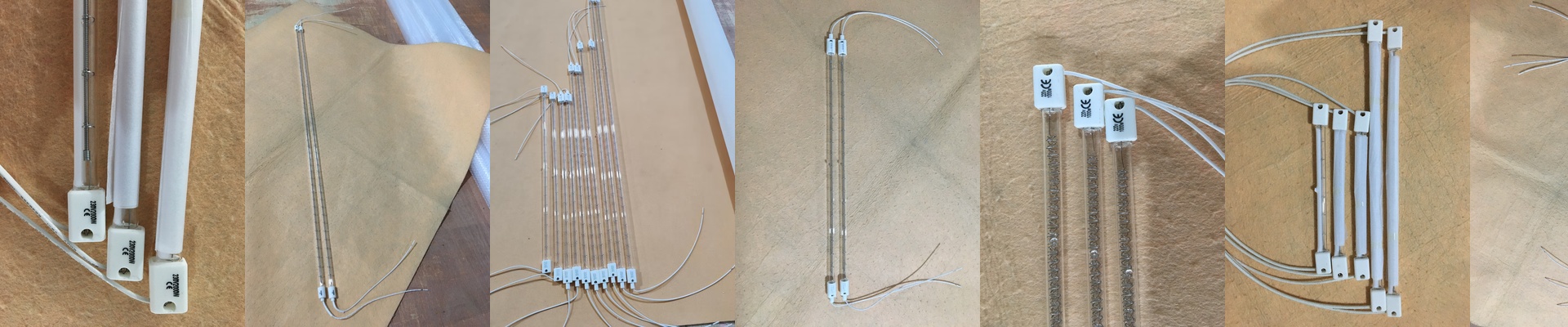
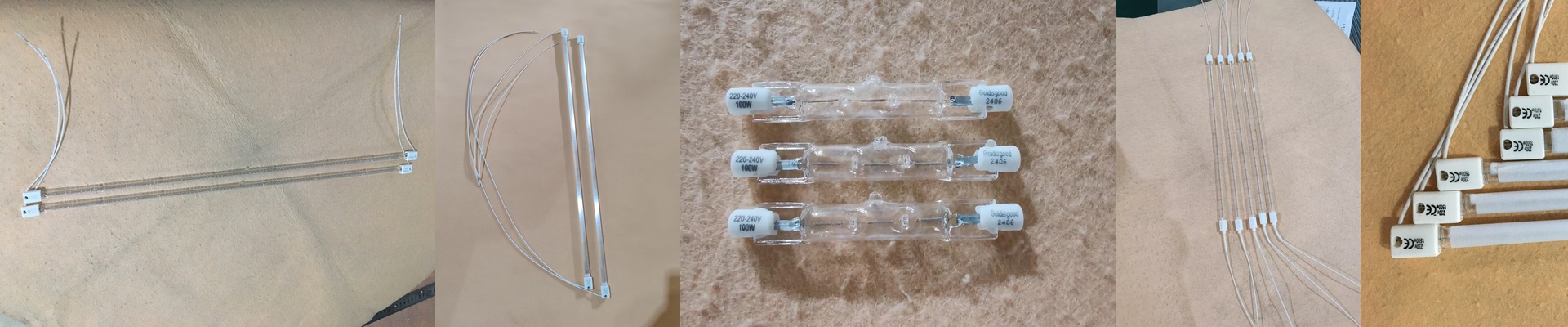
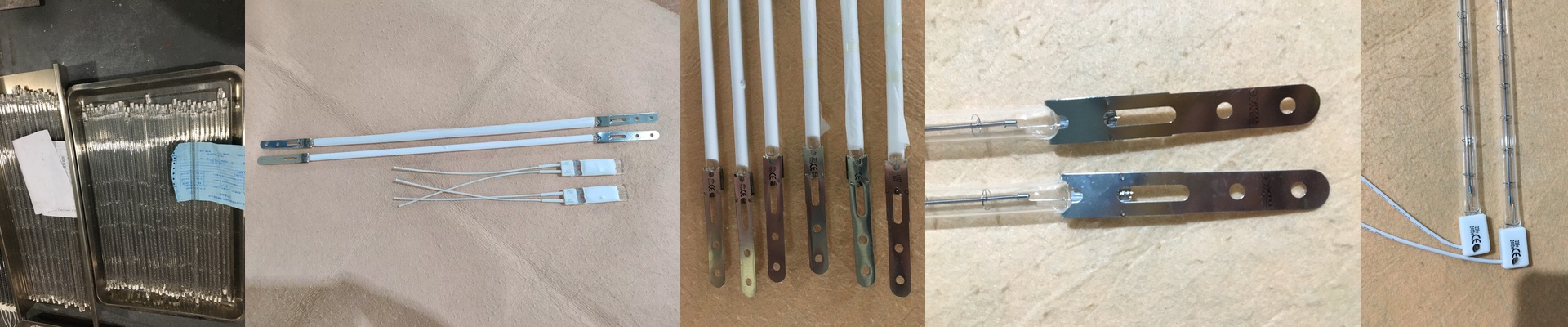
Here is where things usually go sideways. A lot of engineers just throw high wattage at a problem to get more heat, but that puts a massive strain on your electrical leads. We keep it simple with standardized connectors. They fit tight, which means you don’t have to worry about arcing at the terminals. Then there’s the glass. These lamps go from cold to screaming hot in seconds. To stop the tubes from bowing or warping under that pressure, we use heavy-wall quartz. One heads-up, though: if you push these lamps to their absolute limit, the filaments will wear out faster. It’s a trade-off. You have to decide if you want a lightning-fast ramp-up or a longer lamp life.
Putting Them to Work
The best part? These are drop-in replacements. You don’t need to rip out your controllers or redesign your whole setup. Just swap them in and go. Since the heat is focused, you’ll notice the fabric hits the target temperature much faster. That gives you a choice: you can crank up the speed of your production line, or you can lower the temp and save some money on your power bill. Just do me a favor—keep your reflectors polished. A dirty reflector kills the efficiency of a precision lamp. It’s a small detail, but it makes a huge difference.