Why Most Powder Curing Lamps Actually Fail
We spent some time visiting about 2,000 powder coating shops. Not just a few—two thousand. We wanted to see why so many “standard” IR lamps just don’t hold up. Turns out, most off-the-shelf tubes are designed for a lab, not a gritty shop floor. There’s a massive gap between what a spec sheet says and what actually happens inside a curing oven. That gap is where you lose your money and your efficiency.
Getting the Heat Right
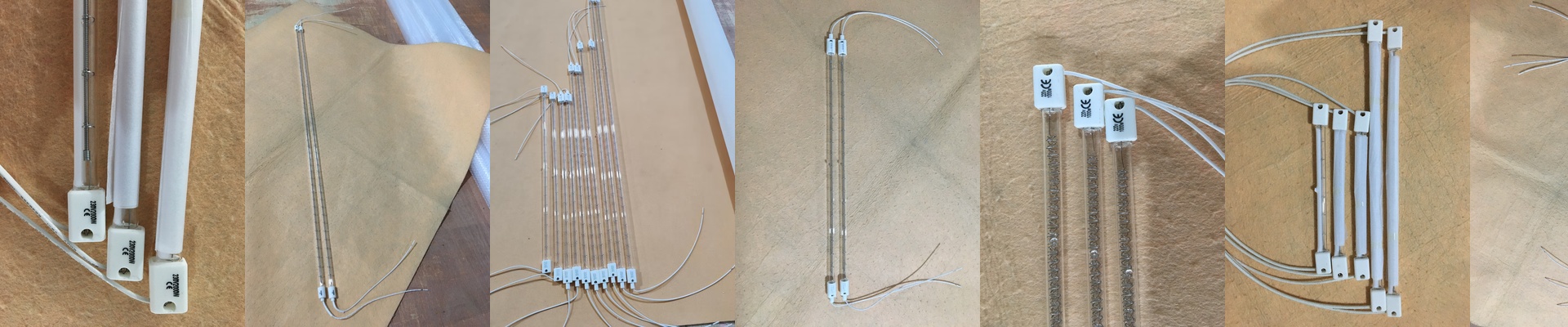
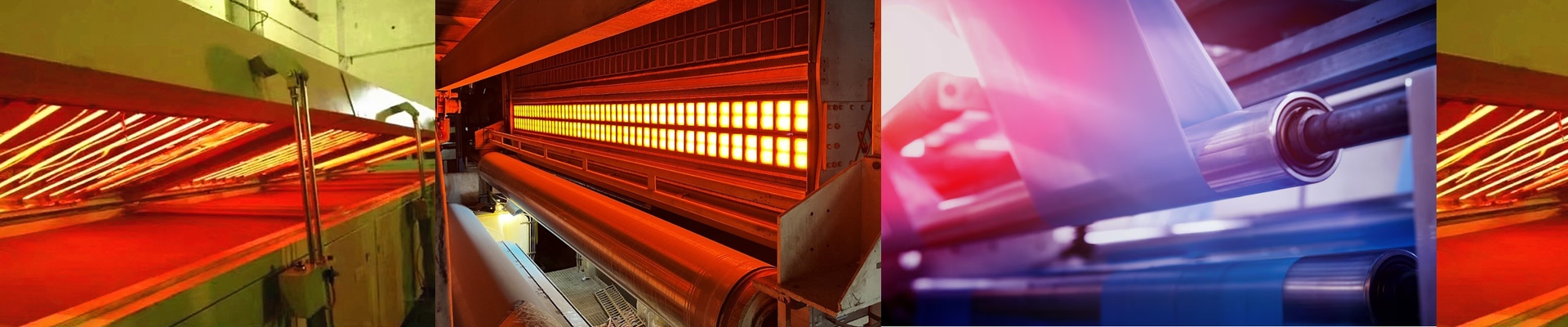
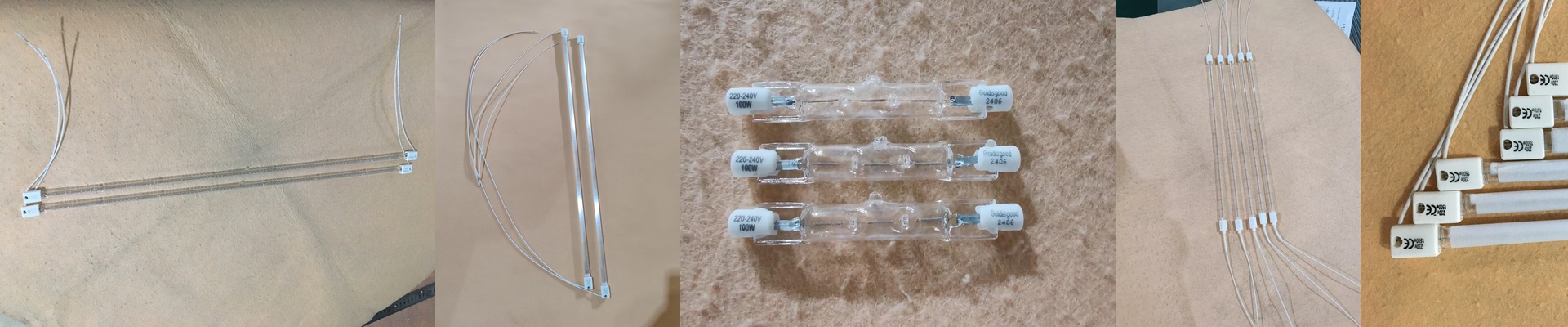
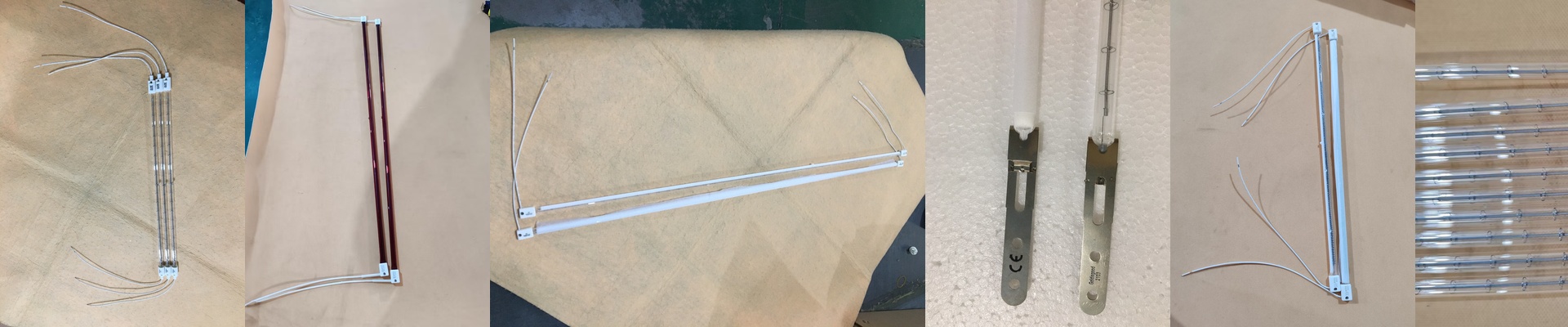
To get powder to cross-link properly, you need a fast ramp-up. We lean toward shortwave infrared (SWIR) because it punches right through the powder layer without cooking the metal underneath. But here’s the trick: to get that kind of power in a small space, we go with higher voltage. We use 400V tubes instead of the usual 230V. Why? Because it lets us cram more wattage into a shorter piece of quartz. You get way more heat per inch. Just a heads-up—make sure your wiring and transformers can handle it. If they can’t, you’ll get voltage drops, and that’s how you end up with “tiger stripping” on your parts. Nobody wants that.
The Boring Stuff That Actually Matters
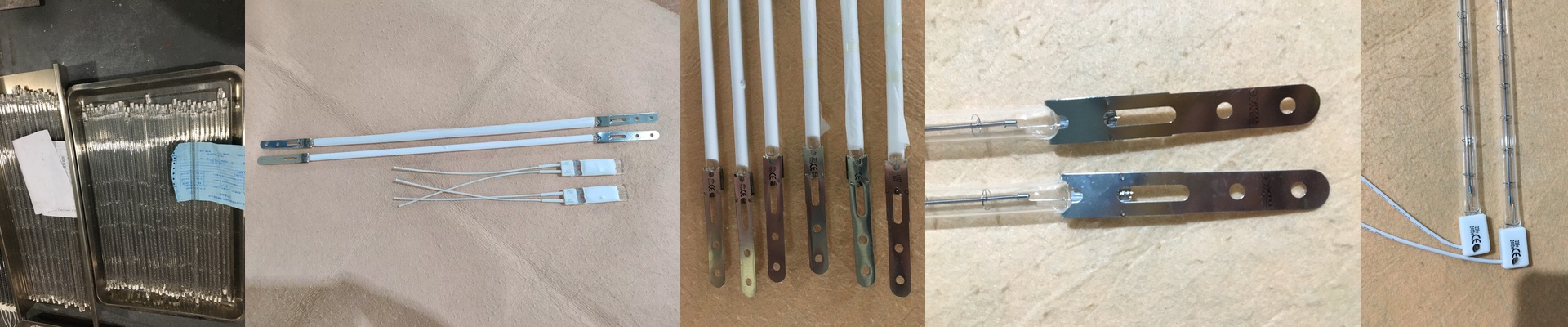
We use heavy-wall quartz glass. It sounds simple, but it keeps the tube from sagging when things get screaming hot. Then there are the connectors. We use R7s or SK15, depending on how much your conveyor shakes. Listen, the connection point is usually where everything goes wrong. If the contact is loose, it arcs. If it arcs, the lamp is dead. We use reinforced terminals so the lamp stays put, even as the oven expands and shrinks every time you cycle the heat.
A Little Bit of Reality
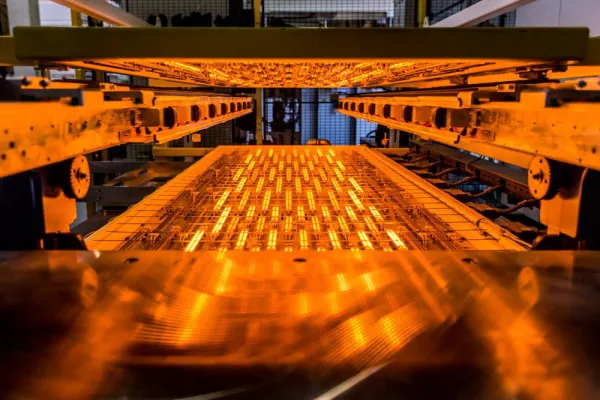
High-output lamps are great for fast cure times, but they’re aggressive. They dump a ton of heat into the oven. If your exhaust system can’t keep up and pull that heat away from the walls, you’re going to scorch the edges of your parts. It’s a balancing act. You have to match your lamp’s wattage with your airflow, or you’re just fighting your own equipment.