Stop Buying Lamps. Start Fixing Your Heat.
Most suppliers treat this like a vending machine. You order a lamp, they ship a box, and you’re on your own. But if you’re trying to stabilize a heat-setting process or get a fabric coating to actually dry, a bulb isn’t what you’re really after. You’re looking for a specific thermal profile. You want the heat to behave.
Let’s talk about heat density
Wattage and voltage aren’t just boring numbers on a spec sheet. They’re what actually drive your heat flux. If you cram a high-wattage tube into a tight space, you get that rapid ramp-up you need for synthetic fibers. It’s fast. But there’s a catch. High-density lamps can absolutely hammer your power supply. If your airflow isn’t dialed in, you risk baking your own housing. We help you nail the voltage so you aren’t stressing your circuitry, but you’re still hitting those target temperatures.
The stuff that actually lasts
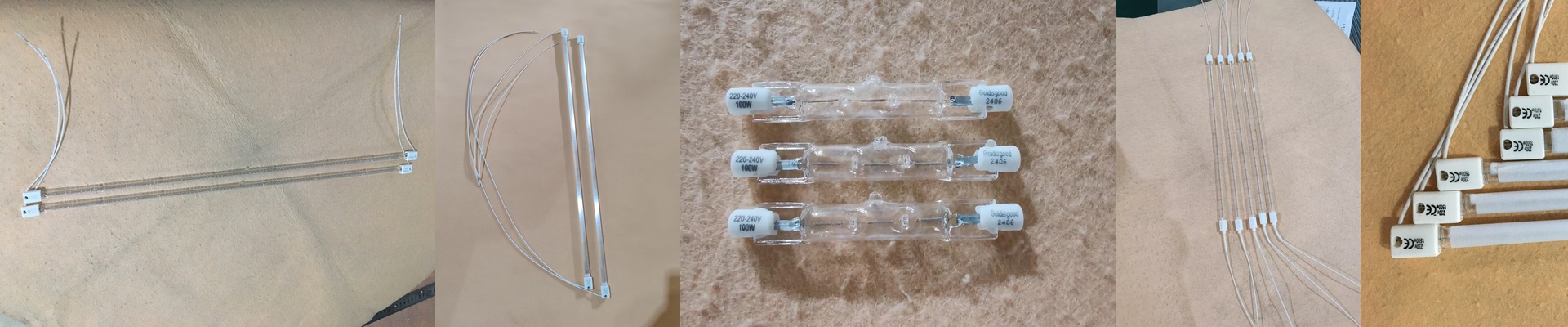
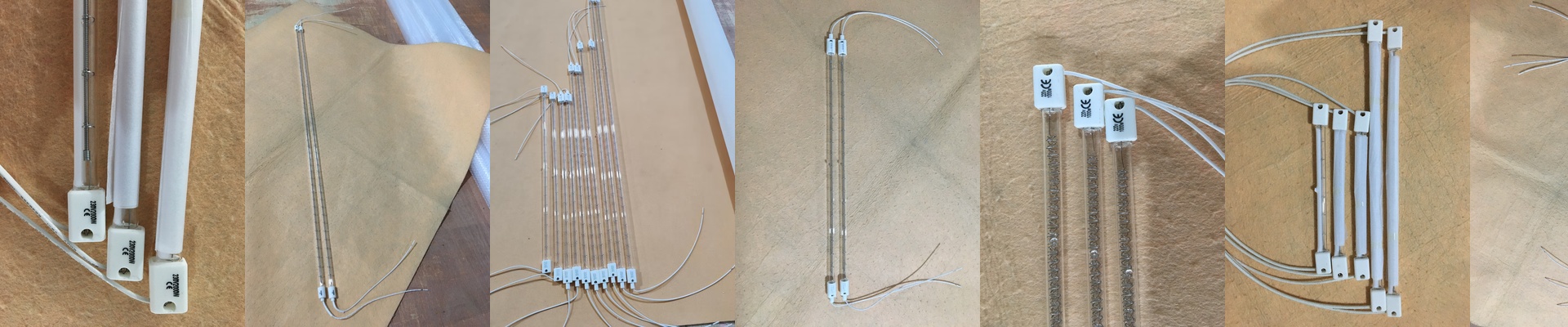
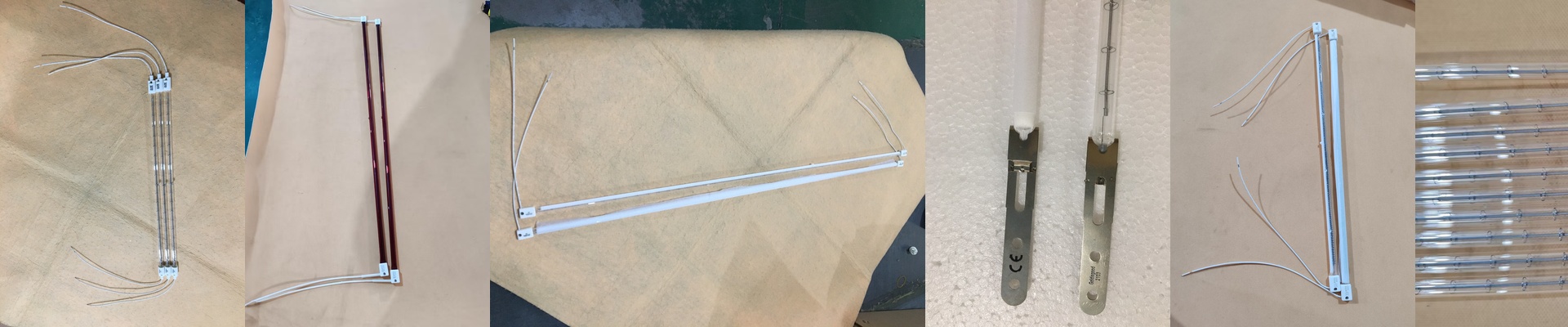
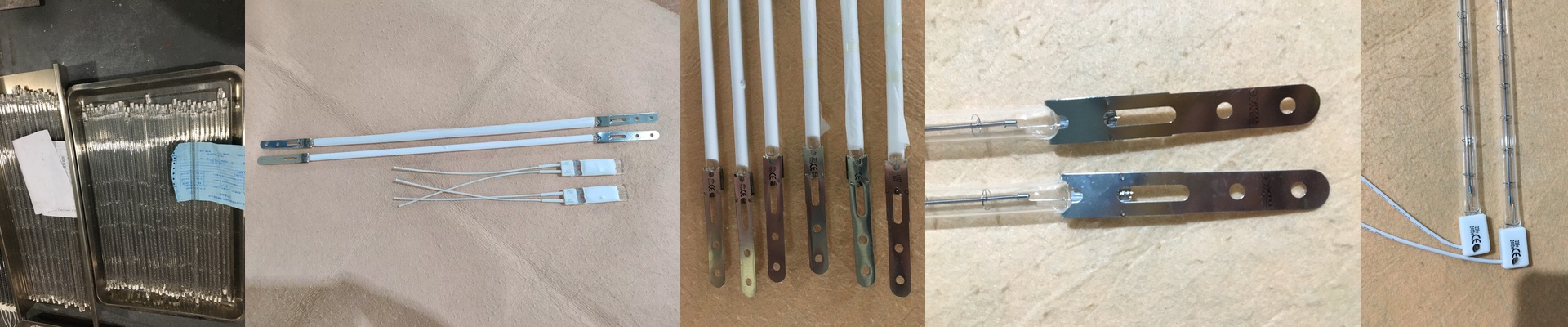
We use high-purity quartz. Why? Because the last thing you need is an envelope warping the moment things get hot. Depending on what fabric you’re running, we can add specific coatings to shift the emission spectrum. It’s a huge help when you need the core of the textile to hit temperature without scorching the surface. Then there’s the wiring. This is where things usually fall apart. Whether you’re using R7s or Sk15 connectors, the fit has to be perfect. A loose connection creates a hot spot. That hot spot burns out the lamp ends. Simple as that. We keep the tolerances tight so you can just drop in a replacement and get back to work without rewiring the whole rack.
Real-world problems
Textile floors are brutal. You’ve got lint, dust, and constant vibration. We don’t just hand over a lamp and wish you luck. We look at the actual gaps in your machine. If your fabric is curling or the dye looks splotchy, you probably have a distribution problem. We’ll work with you to tweak the lamp length and positioning. No more cold spots. Just a line that keeps moving.