How to stop overpaying for your metal curing lines
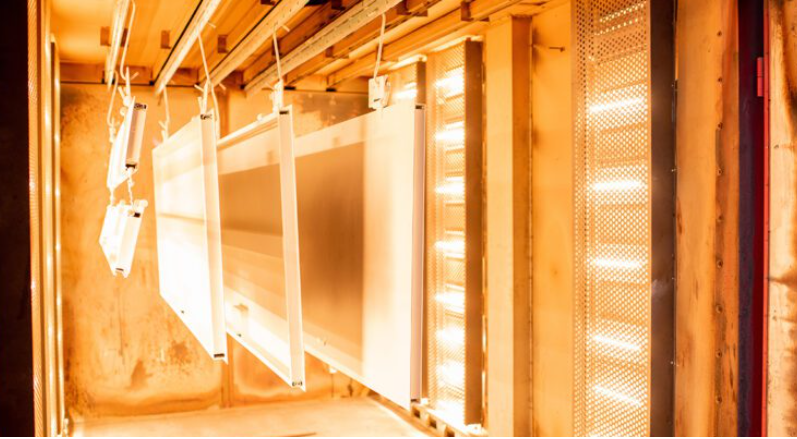
When you’re planning out a new curing line, it’s easy to get tunnel vision. Most engineers obsess over the initial price tag—the CAPEX—and call it a day. But here’s the thing: the lamps you pick today are what actually dictate your power bills and your weekend maintenance schedule for the next five years. If you go with high-efficiency, long-life halogen lamps from the start, you can knock about 30% off your total operating costs over the life of the line. It’s a huge difference.
The secret is in the heat
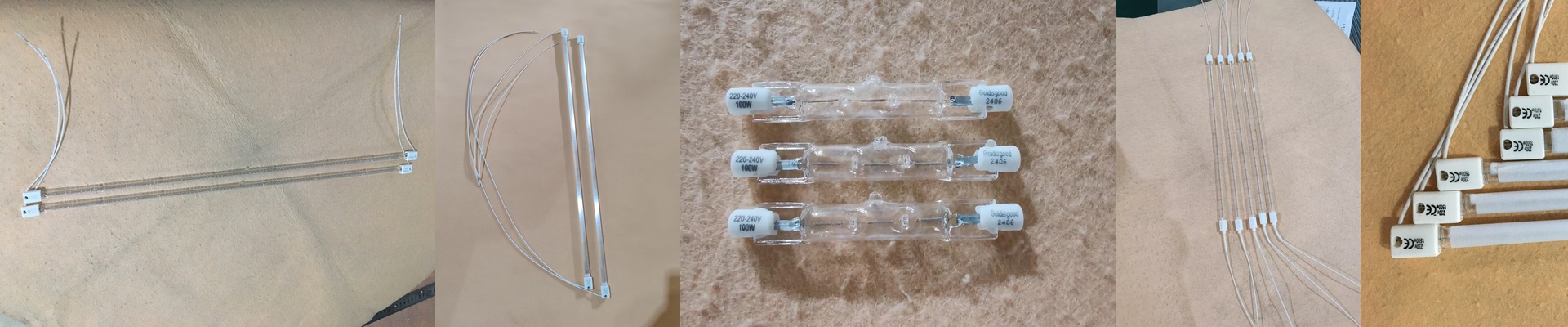
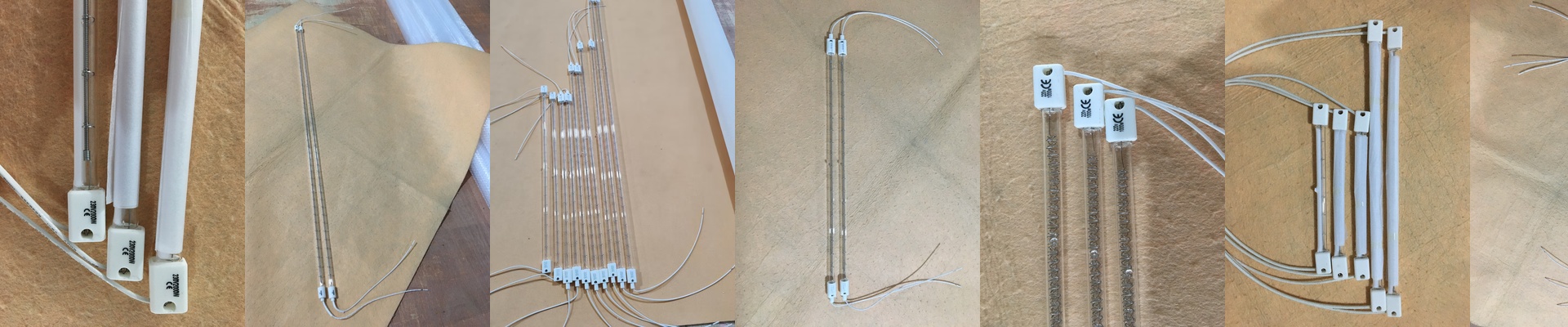
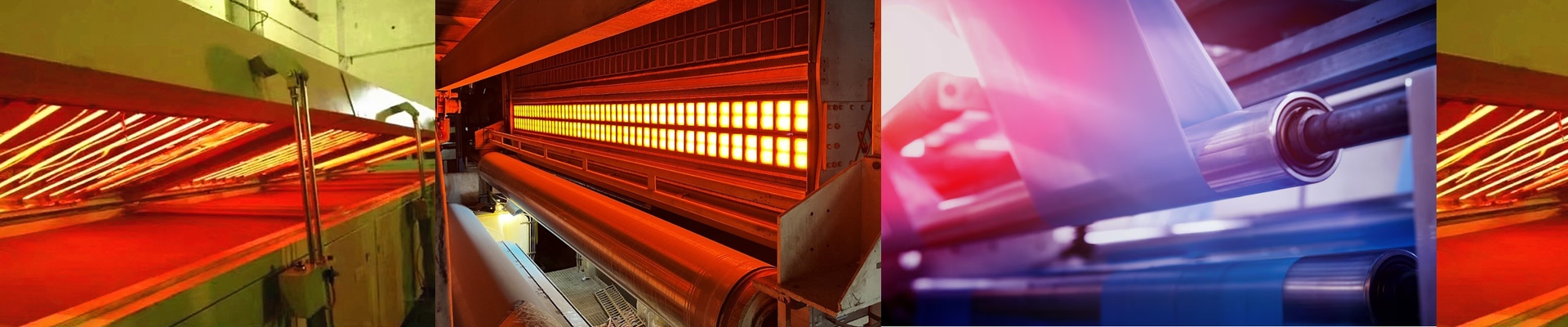
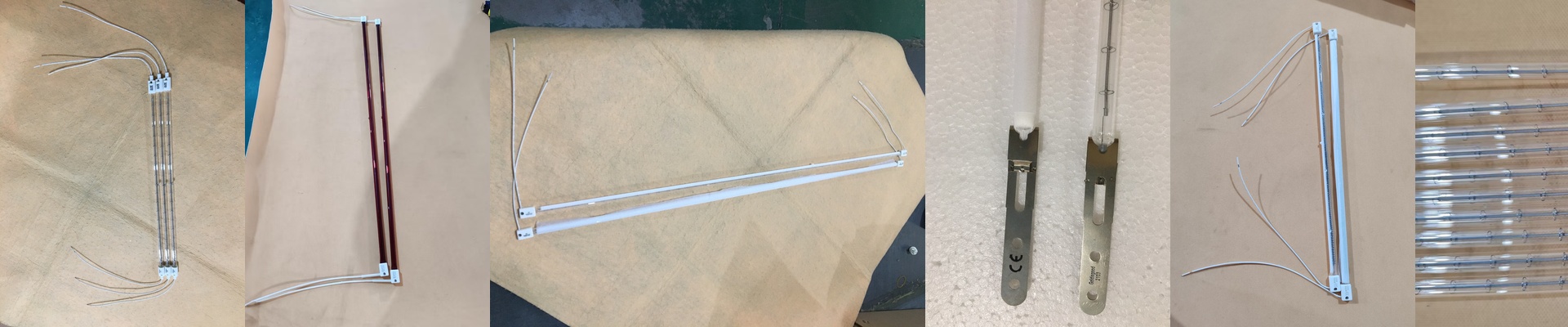
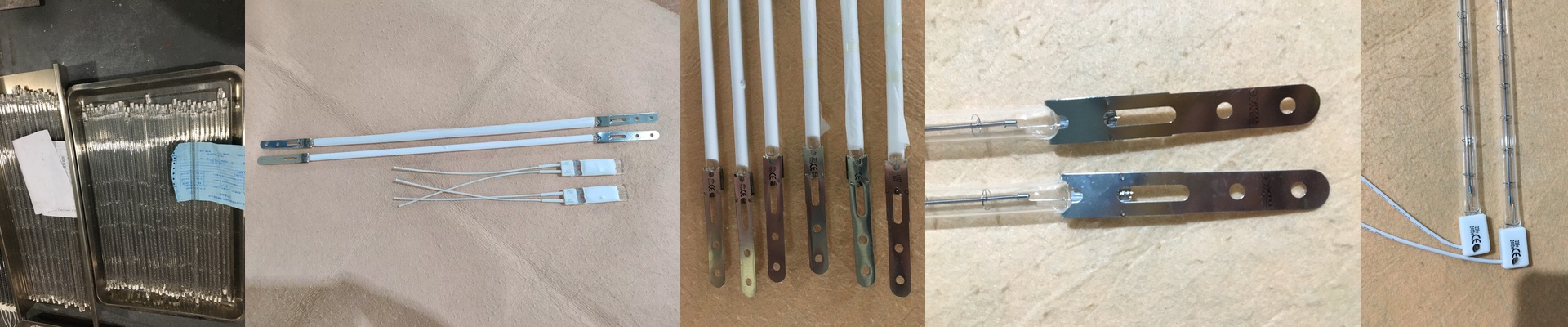
Standard lamps are sluggish. They waste a ton of energy just trying to get up to speed. High-efficiency shortwave halogens are different. They hit full temperature in seconds. We use a tungsten filament inside a quartz envelope filled with halogen gas, which basically acts like a recycling system. It pushes evaporated tungsten back onto the filament so the glass doesn’t turn black and your wattage stays rock solid. Because you get more heat density per inch, you have two choices: you can shrink the curing tunnel to reclaim some floor space, or you can crank up the conveyor speed without worrying about under-cured coatings. It just flows better.
The gritty details of installation
On the hardware side, we usually stick with R7s or SK15 connectors. Why? Because they provide a tight electrical contact. There’s nothing worse than a loose connection causing arcing, which just fries your sockets prematurely. One word of caution: these lamps put out some intense, localized heat. If you’re pushing for max wattage to shave seconds off your cycle times, you have to get your cooling fans and heat shields right. If the housing can’t breathe and shed that ambient heat, you’re going to bake your wiring and kill your lamps way faster than they should die.
Where the money actually goes
That 30% saving isn’t magic. It comes down to two things: your electric bill and your downtime. Cheap bulbs burn out. Fast. Long-life halogens hold their output much longer, which means you spend less time climbing ladders to swap out dead tubes and more time actually shipping parts. Less labor, less waste, and fewer headaches. At the end of the day, spending a bit more on quality lamps means you pay less for every single part that rolls off the line. It’s just simple math.