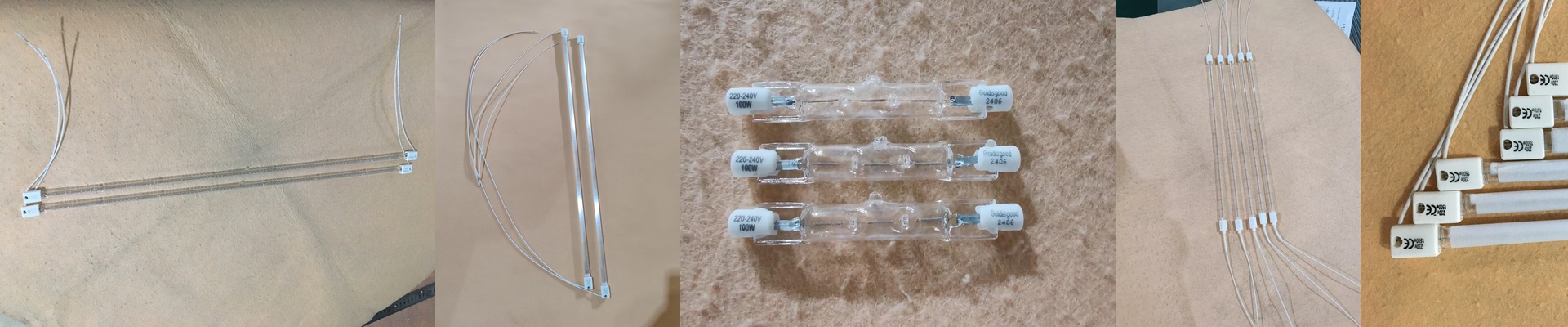
Let’s Talk About 800W Halogen Infrared Lamps
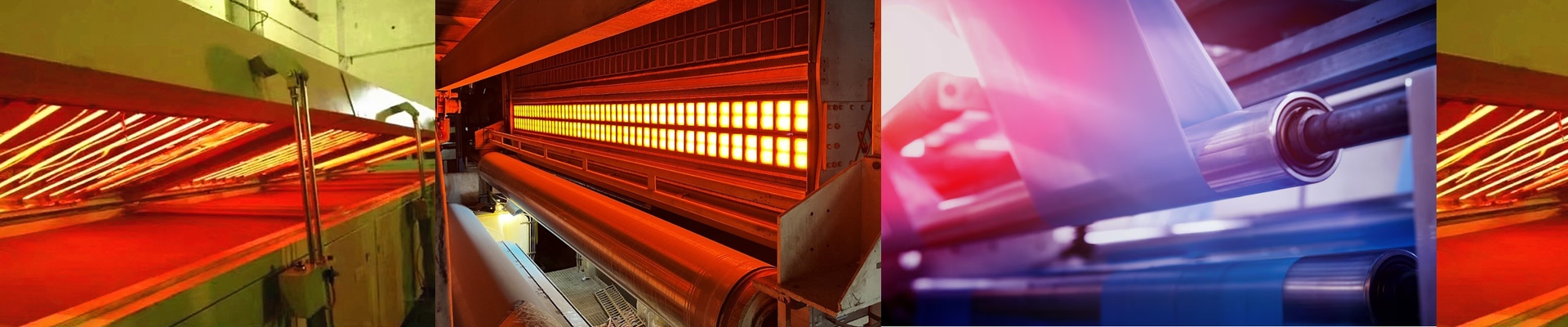
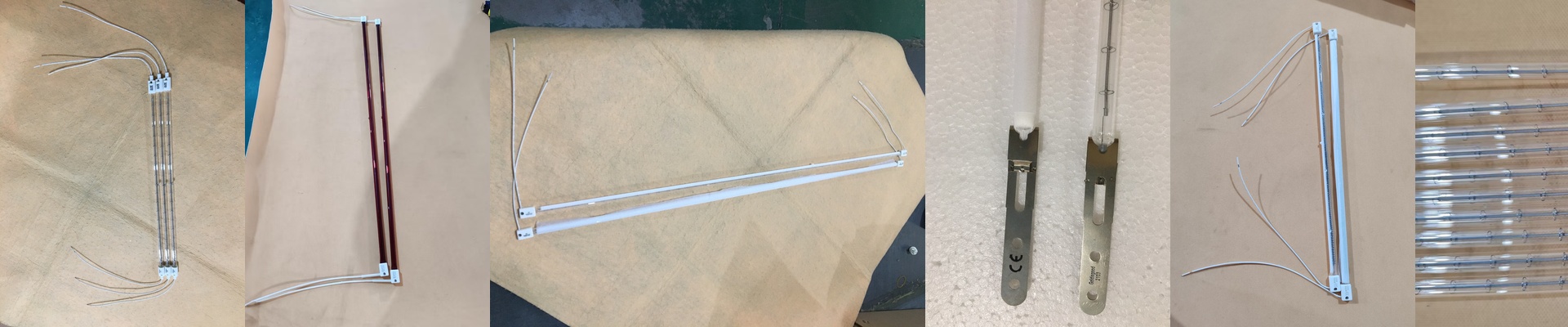
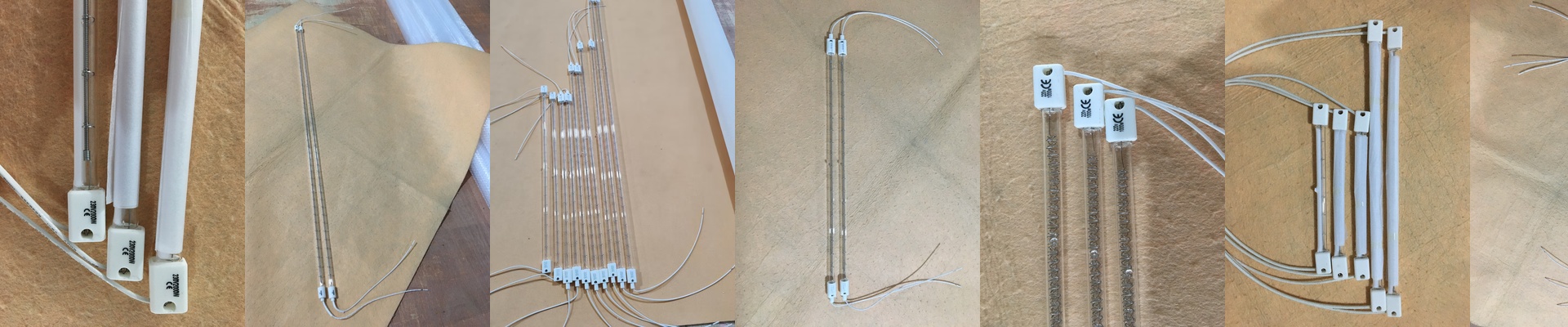
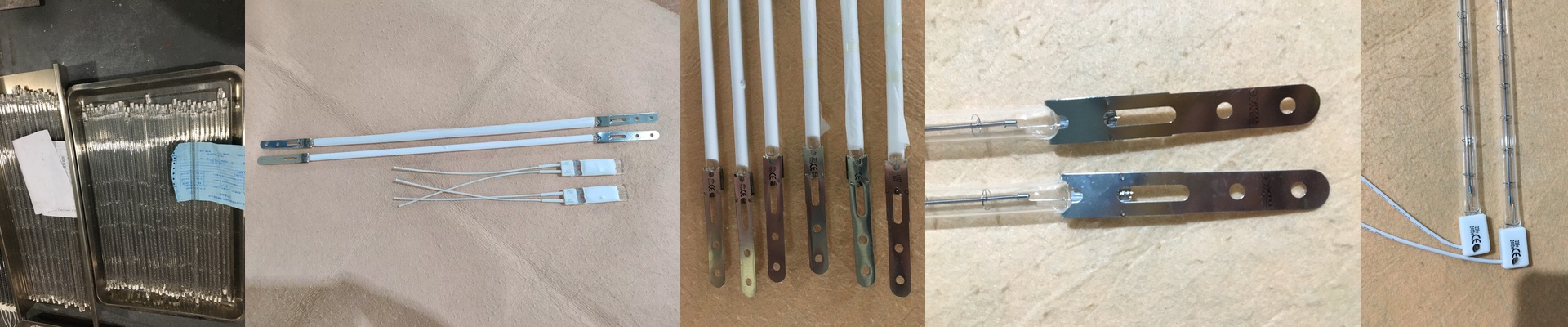
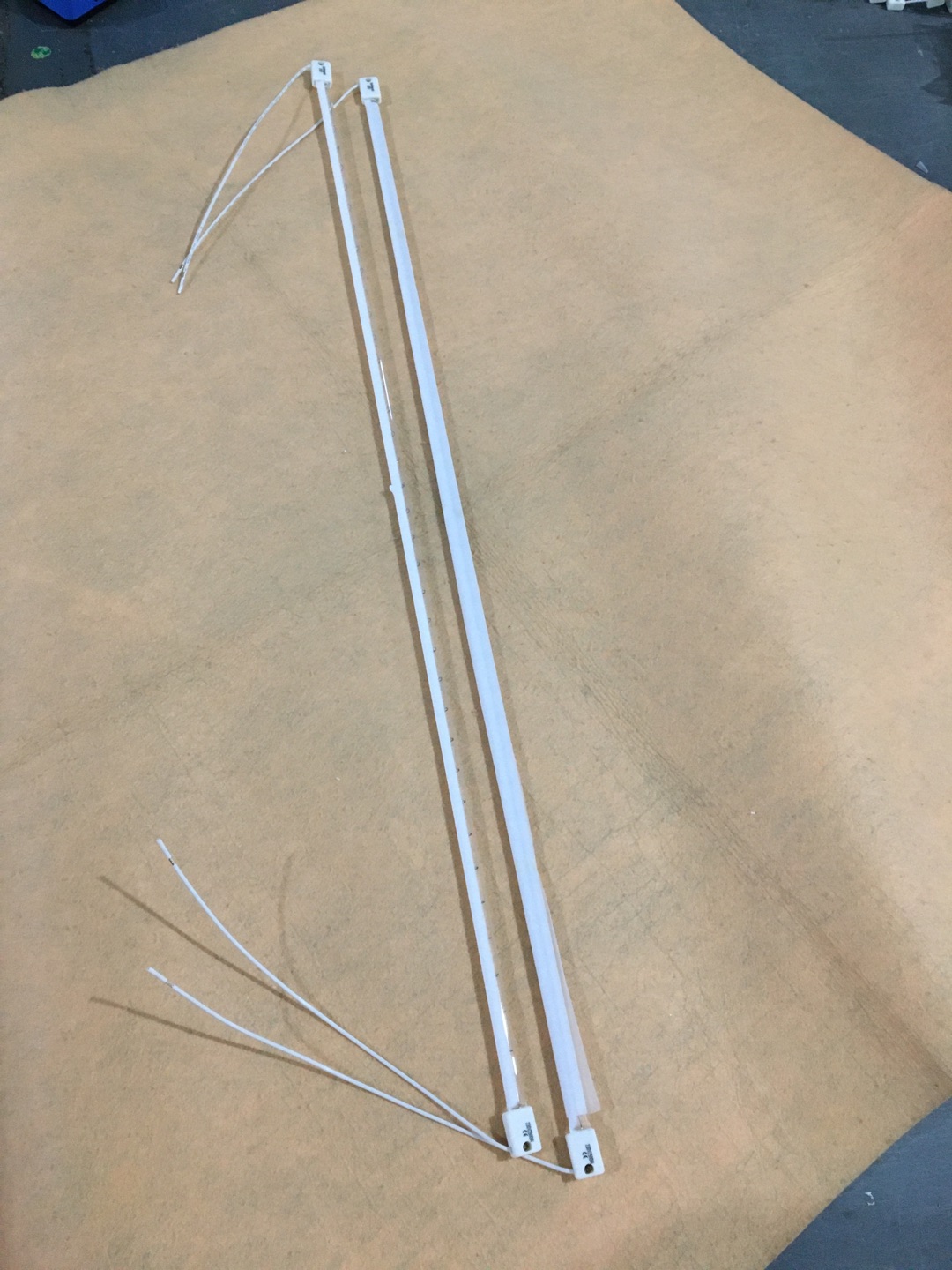
If you need a huge burst of heat—and you need it now—these 800W halogen lamps are your best bet. We build them to pump out concentrated short-wave infrared radiation. Inside, there’s a tungsten filament tucked into a quartz tube and pressurized with a specific halogen gas mix. Why the gas? Well, it stops the filament from evaporating and gunking up the glass. This keeps the lamp crystal clear, so you get the same punch of heat on day 100 as you did on day one. The Heat Factor At 800W, these things are incredibly potent for their size. They’re perfect for when you need to sear the surface of something quickly without heating the whole part through. It’s fast. Really fast. You’re usually at operating temperature in a matter of seconds. But here’s the thing: because they’re so powerful in such a small package, you can’t ignore your reflectors. If dust starts piling up on them, your efficiency tanks. Worse, the lamp housing can start to overheat. Keep them clean. It saves you a headache later. The Build and the Connection We use high-purity quartz for the envelope. It has to be tough enough to handle the “thermal shock” of being turned on and off repeatedly without cracking. As for getting them into your machine, we usually go with R7s or similar press-fit connectors. They’re great because when it’s time for maintenance, you just pop the old one out and drop a new one in. Just a heads-up: if your equipment vibrates a lot, keep an eye on the socket tension. You don’t want any arcing. Real-World Use (and the Catch) You’ll see these all over the place—PET blowing, plastic welding, curing lines. They’re a lifesaver compared to those old resistive heaters that take forever to warm up. But there is a trade-off. 800W tubes create an intense amount of localized heat. If your cooling fans aren’t up to the task, that heat soak can actually fry your nearby sensors or melt your wiring. My advice? Use a PID controller. It lets you modulate the power so you don’t accidentally burn out the filament when you’re hitting peak loads.